How to Choose a String Trimmer for Zero-Turn Mowers
Choose a string trimmer for zero turn mowers by checking mower compatibility, mounting clearance, operator controls and safe access before buying. A mounted trimmer can save time, but only when it stays clear of the deck, tires, steering controls and cutting path.
On this page (11 sections)
- What should you check before choosing a string trimmer for a zero-turn mower?
- How does a mounted trimmer need to clear the mower?
- Should you use a rack, bracket or trailer carrier?
- What type of trimmer works best with a mower-mounted setup?
- Which replacement head helps an existing compatible trimmer?
- When does a pivoting fixed-line head make sense?
- When is a compact cordless trimmer the better choice?
- How should you secure a weed eater for a zero-turn mower?
- How do you operate a mounted trimmer safely?
- What maintenance does a mower-carried trimmer need?
- What is the final choice for a string trimmer for zero turn mowers?
The right string trimmer for zero turn mowers depends on how you plan to carry it, where the trimmer head will sit, and whether you can reach its controls safely. A mounted weed eater can help with fence lines, tree rings, gate edges and patches of grass that the mower deck cannot reach, but the arrangement only works when the tool stays separate from the mower's moving parts.
Before choosing a trimmer, look at the mower's frame, deck, tires, steering levers, foot area and operator position. The head, shaft, handle, battery or fuel area and trigger all need room, especially if the tool will be carried during turns rather than used by hand after you stop.
A zero-turn mower is built for fast changes in direction, so anything attached to the frame moves through tight arcs. A trimmer that looks clear while parked may swing toward a tire, deck or discharge opening during a pivot, reverse movement or trip across uneven ground.
Think about who will use the setup and how often the trimmer will be removed. A lighter tool with a simple carrier may suit occasional fence-line work, while a regular user may value a rack that supports the shaft at more than one point and keeps the controls easy to inspect.
If you need a basic explanation first, read What Is a Zero-turn Mower?. If the mower is for an older operator, the control layout and access advice in Best Zero-Turn Mower For Seniors may also help.
What should you check before choosing a string trimmer for a zero-turn mower?
Check compatibility, mounting clearance, control access and total weight before considering trimming speed. The best weed eater for a zero turn is the one that stays stable and clear through every mower movement.
Start with the mower itself. Identify the frame tubes, foot platform, rear guard, seat area and any existing accessory points.
Avoid assuming that a bracket made for one zero-turn model will fit another.
Next, identify the trimmer's shape and operating parts. A straight shaft, rear motor, battery pack, fuel tank, trigger, guard and cutting head each need space.
The head needs the most attention because it is the part closest to grass, tires, fencing and the mower deck.
Make a simple clearance drawing before buying hardware. Mark the mower's deck edge, tire path and operator position, then add the trimmer shaft and head in the intended carrying position.
Do not choose by shaft length alone. A long shaft may reach a wider area, but it can also extend into the mower's turning envelope or make the carrier harder to secure.
How does a mounted trimmer need to clear the mower?
A mounted trimmer needs clear space from the deck, tires, steering levers, foot controls and operator seat. The correct position depends on the mower's turning movement, not only its parked appearance.
Park the mower on level ground with the engine off. Place the trimmer where you expect to carry it, then inspect the head, shaft and controls from several angles.
Check the following areas:
- The front and rear tire paths
- The mower deck and discharge opening
- Steering levers and their full travel
- The operator's legs and hands
- The seat hinge and access path
- The fuel tank, battery area and engine covers
- Gates, fences and nearby obstacles
A zero-turn mower can rotate around its own footprint. A trimmer that appears clear while driving forward may swing toward a tire during a pivot turn.
Leave room for movement, vibration and inspection. A rigid mount can still allow a long tool to flex or rattle, especially on rough ground.
Never let the cutting head hang where line could strike a tire or mower component. Keep the head protected or positioned away from moving parts when the trimmer is being transported.
Should you use a rack, bracket or trailer carrier?
Use a dedicated rack or carrier when you need repeatable storage and quick access. A rack keeps the tool in a known position, while a trailer carrier can be better when you transport several tools away from the mower.
A frame-mounted bracket may suit a mower that has a strong, accessible mounting point. Confirm that the bracket does not interfere with service panels, belt access or the operator's step-through area.
A rack should support the trimmer at more than one point when the shaft is long. One clamp near the handle may allow the head to swing, while one clamp near the head may leave the controls unstable.
For trailer use, compare Best String Trimmer Trailer Racks. If the mower or trailer is stored inside an enclosed space, Best Weed Eater Racks for Enclosed Trailers focuses on tool support and access in tighter storage areas.
Measure the actual tool and carrier together. Do not assume a rack will fit because its name includes “universal.”
What type of trimmer works best with a mower-mounted setup?
A light, controllable trimmer with a secure carrying position is usually easier to manage than a bulky model. The right choice depends on whether the trimmer will cut while mounted or only travel with the mower.
If the trimmer is carried and removed for use, prioritize:
- A secure handle and shaft
- A head that does not contact the mower
- Controls you can reach after dismounting
- A battery or fuel arrangement that stays protected
- A carrier that holds the tool without crushing it
If you expect the trimmer to cut while attached, the design becomes more demanding. You must control the cutting direction, protect the operator and keep line away from the mower.
A homemade fixed cutting arm can change the mower's balance and expose nearby people or property to thrown debris.
A carry-and-use setup is easier to inspect than a permanently active attachment. Remove the trimmer before servicing the mower, loading it for transport or working near people.
For general background on the equipment, see String Trimmers and Edgers: The Complete Buying Guide. It explains the difference between trimming grass, edging borders and cutting taller weeds.
Which replacement head helps an existing compatible trimmer?
A replacement head helps when your current straight-shaft trimmer already fits the planned work and only the cutting head needs attention. The head must match the shaft and attachment system before you consider its line capacity or reload method.
This head is made for Husqvarna straight-shaft trimmers in the 100 to 500 series and most Echo, Stihl and RedMax straight-shaft trimmers. It includes one T35 head and can hold 28 ft of .095 in line.
The easy-reload spool comes off with the cap, so you do not need to turn the trimmer upside down during a reload. It accepts .065 in to .105 in trimmer line, while the included line is .095 in Titanium Force line.
The split spool and directional arrows can make reloading more manageable for a new user. This is a replacement head, not a complete mower-mounted trimmer, so you still need a compatible trimmer and a safe carrier plan.
Choose it when your existing trimmer is compatible and the head is the limiting part. Confirm the attachment fit before ordering.
When does a pivoting fixed-line head make sense?
A pivoting fixed-line head makes sense when you want quick line replacement and a head designed to move around obstacles. It can suit trimming near hard surfaces, but it still needs to match the trimmer and the work area.
The PivoTrim is intended for most trimmer models and gas or cordless string trimmers. Its pivoting lines are designed to move when they meet obstacles, while the included pre-cut line can be fed through the posts without winding a spool.
The head is made from metal according to its material specification, weighs 2.08 oz and is listed as a 1-count trimmer head. Its stated uses include brush cutting, edging and trimming.
For heavier vegetation, compare brush cutters and mulchers.
For a zero-turn setup, the important question is not only how the head cuts. Check whether the trimmer's full head assembly can remain outside the mower's tire and deck path while the tool is carried or used.
Choose it when fast fixed-line changes and obstacle contact are central to your work. Skip it if you cannot verify the head's fit on your trimmer.
When is a compact cordless trimmer the better choice?
A compact cordless trimmer can be the better choice when you need one tool for small areas, slopes and edges instead of a permanently mounted attachment. It can travel with the mower, then be removed for controlled hand trimming.
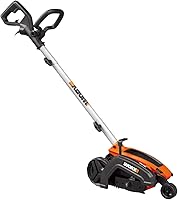
The MTC220 changes between a push mower, trimmer and edger. Its removable wheeled deck supports the mower mode, while the adjustable trimmer settings, adjustable deck height and pivoting handle allow changes for the task.
The kit includes two LBXR2020 20V MAX lithium-ion batteries, a charger, an MTD100 detachable mower deck, an AF-100 spool, an auxiliary handle, a guard and the MTC220 trimmer/edger. The AFS automatic feed spool is designed to provide continuous line feeding, and PowerDrive transmission is intended to reduce bogging in dense grass and weeds.
Its 12 in cutting width and 9.9 lb weight may suit smaller areas and spaces that a larger walk-behind mower cannot reach. The tool is not a replacement for a safe mower-mounted carrier, so secure it separately when transporting it.
Choose it when you want a removable tool with several yard-care modes. It is less suitable if your goal is a permanently active trimming arm on the zero-turn mower.
How should you secure a weed eater for a zero-turn mower?
Secure a weed eater for a zero-turn mower at stable support points that prevent sliding, swinging and contact with moving parts. The carrier should hold the shaft without crushing the controls, guard or battery area.
Use a two-point support plan when possible. One support can hold the shaft near the handle, while another keeps the lower section from rotating.
The exact locations depend on the tool and mower.
Before starting the mower, inspect:
- Clamp pressure around the shaft
- Contact with the throttle, trigger or battery
- Head clearance from both tires
- Clearance from the deck and discharge area
- Access to the seat and steering levers
- Movement during a slow parked turn
- Whether the tool can fall toward the operator
Do not rely on a bungee cord as the only restraint for a heavy or long trimmer. Elastic straps can stretch, loosen or shift as the mower moves.
Remove the trimmer before transport on a trailer or truck unless the carrier and tool are specifically secured for that movement. Road vibration creates different forces from mowing on level grass.
How do you operate a mounted trimmer safely?
Operate a mounted trimmer only when the cutting head, debris path and controls are fully understood. Keep people, pets and fragile property away from the cutting area.
Wear the protective equipment required for the trimmer. Inspect the guard, line, head and shaft before starting.
Keep the mower stopped while fitting, removing or adjusting the trimmer.
If the trimmer is handheld after removal, use two hands where the design requires it and keep the cutting head at a controlled distance from your legs. If the trimmer is intended to cut while mounted, confirm that the operator can stop the cutting action without leaving the seat or reaching into a danger area.
Avoid trimming near loose stones, glass, wire and hard debris. A line head can throw material even when the grass looks short.
Stop immediately if the tool shifts, vibrates unusually or contacts the mower. Turn off the equipment before investigating the cause.
What maintenance does a mower-carried trimmer need?
A mower-carried trimmer needs regular inspection of the head, shaft, guard, fasteners and carrier. Carrying the tool over rough ground can loosen hardware even when the trimmer is not cutting.
After use, remove grass and dirt from the head and guard. Check the line for uneven wear, inspect the shaft for damage and make sure the controls move normally.
Inspect the carrier for:
- Loose bolts or clamps
- Crushed shaft areas
- Cracked brackets
- Worn straps
- Rust or bent metal
- Contact marks from the mower
- New movement during a parked turn
Replacement heads should be checked for fit before installation. A head that attaches to the trimmer is not automatically safe for every shaft, line size or operating method.
For storage ideas, compare Best String Trimmer Storage Racks. A dedicated storage position reduces the chance that the head will rest against the mower deck or become damaged under other tools.
What is the final choice for a string trimmer for zero turn mowers?
Choose a string trimmer for zero turn mowers by matching the carrier first, the trimmer second and the replacement head last. The carrier determines whether the tool stays stable through turns, bumps and reversing, while the trimmer determines how much space the setup needs around the operator and mower.
Begin by measuring the actual mower and tool together. Check the frame, deck edge, tire paths, steering levers, seat access and any service panels, then place the trimmer in the intended carrying position and inspect it from several angles.
A good choice leaves the head and shaft away from the tires, deck and discharge area. It also keeps the trigger, battery, fuel area and handle from being crushed or blocked, since a tool that cannot be checked or removed easily is harder to manage safely.
Pick a compatible Husqvarna head when an existing straight-shaft trimmer needs a reload-friendly replacement. The T35 is made for Husqvarna straight-shaft trimmers in the 100 to 500 series and most Echo, Stihl and RedMax straight-shaft trimmers, and it comes pre-wound with .095 in line.
Its spool can hold 28 ft of .095 in line, accepts .065 in to .105 in line and comes off with the cap for reloading. The split spool and directional arrows may help reduce tangling and make line replacement easier, but the head still requires a compatible trimmer and a secure carrying plan.
Pick the Weed Warrior head when pivoting line and pre-cut reloads fit your trimmer and cutting routine. It accepts .080 in and .095 in line, uses a 3-line design with 6 pivoting lines, fits most trimmer models and includes pre-cut line that feeds through the posts instead of requiring spool winding.
Pick the BLACK+DECKER cordless combo when you want a removable multi-use tool for smaller areas, slopes and spaces that are difficult to reach with a standard walk-behind mower. Its 12 in cutting width, two included batteries, charger, adjustable settings and removable wheeled deck support trimmer, edger and mower use.
The AFS automatic feed spool is designed for continuous line feeding, while PowerDrive transmission is intended to help prevent bogging in dense grass and weeds. This makes the combo useful for occasional hand work, but it is still a separate tool that should be secured so it cannot fall into the mower's path.
The safest weed eater for zero turn work is not automatically the longest or most powerful option. It is the tool you can secure, inspect, remove and operate without blocking the mower's tires, deck or controls.
Before each use, check the carrier, clamps, shaft, head, guard and line. Stop if the tool shifts, vibrates unusually or contacts the mower, and remove it before transporting the mower unless the carrier is designed to hold everything securely during that movement.
Frequently asked questions
Can you mount a string trimmer on a zero-turn mower?
You can mount a string trimmer on some zero-turn mower setups, but compatibility depends on the mower frame, mounting hardware, clearance and control access. Check that the trimmer stays away from the tires, deck, steering levers and discharge path.
Do not drill or modify the mower frame without confirming the manufacturer's guidance.
What is the best string trimmer for a zero-turn mower?
The best string trimmer for a zero-turn mower is the one that fits your mounting plan and leaves safe clearance around the deck and controls. A replacement head may help an existing compatible trimmer, while a compact cordless unit can suit small areas that need occasional hand trimming.
Can a weed eater be attached to a zero-turn mower?
A weed eater can be attached to a zero-turn mower only when the carrier, clamps or bracket hold it securely without blocking operation. The mower and trimmer must remain separate enough that vibration, line movement and steering do not create a contact risk.
Test the parked clearance before starting either machine.
Where should a string trimmer be stored on a zero-turn mower?
Store a string trimmer in a position that keeps the shaft, head and controls away from the tires, deck and operator area. A dedicated rack or trailer carrier is usually easier to inspect than a loose attachment.
Secure the tool against movement, then check that it cannot fall into the mower's path.