Weed Eater vs String Trimmer: What Is the Difference? (November 2026)
A weed eater and string trimmer are usually the same type of yard tool. The name changes by region and brand, while the real differences come from power source, cutting width, line feed, edging design and included equipment.
On this page (11 sections)
- Weed eater vs string trimmer: are they the same tool?
- What should you compare instead of the name?
- Which power source fits your yard?
- How do these 4 weed eater and string trimmer options differ?
- Is a wider string trimmer better?
- Which model is best for edging?
- How do you choose between these products?
- How should you use and care for a weed eater?
- What is the best string trimmer for tall weeds?
- Is a cordless weed eater worth choosing?
- Final choice: weed eater vs string trimmer
A weed eater and string trimmer are usually the same type of yard tool. The name changes by region and brand, while the useful differences are power source, cutting width, line feed, edging design and included equipment.
The terms string trimmer weed eater, weed eater trimmer, weed eater vs trimmer and weed eater weed trimmer often describe the same basic machine. Each tool uses spinning line to cut grass and weeds where a mower cannot reach.
The products below show why the name is not enough. They include cordless battery models, a corded electric model, cutting widths from 10 to 14 in and both trimming-only language and 2-in-1 edging designs.
 Best for trimming and edging
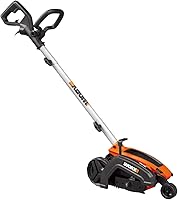
WORX 20V 12" 2-in-1 Cordless String Trimmer

Weed eater vs string trimmer: are they the same tool?
In most shopping searches, weed eater and string trimmer mean the same thing. “Weed Eater” began as a brand name, but many people now use it as a general term for a line-based grass trimmer.
You may also see weed wacker, weed whacker, weed trimmer or grass trimmer. These names can point to similar equipment, but they do not tell you whether a model is battery powered, corded electric or gas powered.
The tool has a motor, a cutting head and a spool of line.
A trimmer for a zero-turn mower can help reach areas the deck misses. As the head spins, the line reaches beyond the guard and cuts grass around fences, trees, beds, posts and other places a mower deck cannot reach.
For a fuller explanation of the basic tool and its related functions, read what is a weed trimmer.
What should you compare instead of the name?
Compare the power source, cutting width, line-feed system and edging design. Those details affect how far you can move, how many passes you need and how much setup the tool requires.
A cordless model gives you freedom from an extension cord, but you must charge its battery. A corded model can keep running near a suitable outlet, but the cord becomes part of every movement around the yard.
Cutting width also changes the work pattern. A 10 in head can suit tighter spaces, while a 14 in path can cover more open grass in one pass.
Line feed affects interruptions. Automatic feed systems release line as needed, while a command-feed system lets you control line release with a button.
Follow the manual for line replacement, guard use and safe operating positions.
Which power source fits your yard?
Cordless electric suits mobile home-yard work, while corded electric suits work near an outlet. Gas trimmers are another option when their added fuel and engine care fit your workload.
Battery tools avoid an extension cord and usually start with a control rather than a pull cord. Their working time depends on the battery setup, the vegetation and how often you stop or reposition.
The WORX model includes 2 20V batteries and a charger. The BLACK+DECKER 20V MAX Weed Eater also includes 2 batteries and a charger, while the BLACK+DECKER LST300 includes 1 2.0 Ah battery and a charger.
The BESTA510 uses a corded electric power source. That can make sense when the work area stays close to an outlet and you want a 14 in cutting path without managing a battery.
Our guide to gas vs electric weed eaters explains the trade-offs between fuel and electric power in more detail.
How do these 4 weed eater and string trimmer options differ?
The WORX model is the strongest match for a cordless trimmer and edger with 2 batteries, while the BLACK+DECKER BESTA510 offers the widest cut path with corded power. The other 2 models sit between those choices with different battery and tool combinations.
WORX 20V 12" 2-in-1 Cordless String Trimmer
The WORX 20V 12" 2-in-1 Cordless String Trimmer converts from a string trimmer to an in-line edger. Its 12 in cutting diameter is wide enough for regular lawn borders without moving into the 14 in size of the corded BLACK+DECKER model.
The head tilts 90 degrees, which can help you work across sloped areas and reach awkward patches. Rubberized wheels support the edger and help guide a straighter border along a sidewalk or driveway.
An adjustable spacer guard helps keep the line away from plants, landscape features and lawn ornaments. The command-feed spool uses a push button for line feeding, so you can add line when needed instead of relying only on bumping.
This model weighs 5.5 lb and runs at a stated 7,600 rpm no-load speed. It includes 2 20V Power Share maxLithium batteries, a 20V charger, a trimmer spool, support wheels and a safety guard.
The batteries work across the WORX Power Share family, including WORX 20V and 40V tools. That platform detail matters if you already use compatible WORX equipment or expect to add more.
BLACK+DECKER 20V MAX Weed Eater
The BLACK+DECKER 20V MAX Weed Eater is a combo kit with a string trimmer, edger and sweeper. Choose it when clearing grass and weeds is only one part of your routine and you also want a cordless tool for sweeping hard surfaces.
Its 10 in cutting width is the narrowest in this comparison. That can suit tighter lawn edges and smaller spaces, though it may require more passes across broad strips of grass than a 12 or 14 in tool.
The automatic line-feed system supplies trimmer line as needed without bumping. The trimmer also has adjustable height and handle positions, which lets you set the working position around your body and the area being cut.
The kit includes 2 20V MAX lithium ion batteries. The battery information gives each battery a 1.5 Ah rating, and the kit also includes a charger.
The complete kit weighs 10.5 lb, while the cordless sweeper weighs 3.7 lb. BLACK+DECKER describes the sweeper as a 130 mph hard-surface leaf blower, so this option makes the most sense when trimming and cleanup belong in the same purchase.
BLACK+DECKER 20V MAX String Trimmer and Edger
The BLACK+DECKER 20V MAX String Trimmer and Edger uses a 12 in cutting swath and converts from trimming to wheeled edging. Its PowerDrive transmission runs at a stated 6,200 rpm and sends motor power to the cutting string.
The automatic feed spool releases line when needed without bumping. Adjustable height and handle positions help you set the tool for control, while the reduced-vibration design is intended to make the cordless trimmer easier to manage.
This kit includes 1 2.0 Ah lithium ion battery pack, a charger, an AF-100 spool and a guard. The tool weighs 5.7 lb, which is close to the WORX machine weight but comes with a different battery setup.
The battery works with BLACK+DECKER 20V MAX Powerconnect tools. That makes this model more useful if you already have compatible batteries or want to stay within that tool family.
BLACK+DECKER Weed Wacker with Auto Feed
The BLACK+DECKER Weed Wacker with Auto Feed is the corded choice in this comparison. Its 14 in cutting width is the widest here, and its 6.5-amp motor with PowerDrive transmission is aimed at grass, weeds and overgrowth.
The tool rotates from a string trimmer to a wheeled edger. That setup suits borders along sidewalks, driveways and flower beds, especially when you prefer the guide of a wheel for repeated edge lines.
Automatic Feed Spool technology releases more line without bumping. A cord retention system helps prevent accidental cord disconnection, but you still need to manage the extension cord and keep it clear of the cutting path.
This model runs at a stated 8,000 rpm and weighs 6.3 lb. It includes the BESTA510 string trimmer, an AF-100 spool, an auxiliary handle and a guard, but no battery or charger because it uses corded electric power.
Is a wider string trimmer better?
A wider cutting path is useful on open grass, but a narrower path can be easier around beds and tight corners. Choose the width based on the layout of your yard, not the number alone.
The BLACK+DECKER Weed Wacker has a 14 in path. It can cover a broader strip with each pass, which may reduce the number of passes along an open fence line or lawn edge.
The WORX and BLACK+DECKER LST300 models both use 12 in cutting widths. That middle size can balance coverage and control for general trimming around a home.
The BLACK+DECKER 20V MAX Weed Eater uses a 10 in cutting width. It may fit better where plants, posts and narrow borders leave little room for a larger cutting head.
Keep the guard in place and hold the head at the operating angle described in the manual. A wider head does not make it safe to swing closer to people, pets, windows or delicate plants.
Which model is best for edging?
Choose a model with a stated edging conversion and a guide if clean borders are a regular task. All 4 options here include an edging function or edging-oriented design, but the details differ.
The WORX model has support wheels, an adjustable spacer guard and a head that tilts 90 degrees. Those features support edging along uneven ground and help keep the line away from plants and ornaments.
The BLACK+DECKER LST300 converts to a wheeled edger and has adjustable height and handle positions. The BESTA510 also rotates to a wheeled edger and includes a cord retention system for corded work.
The BLACK+DECKER 20V MAX Weed Eater converts to a wheeled edger and adds an automatic line-feed system. Its 10 in cutting width makes it the narrowest edging choice in this group.
Before edging, mark the border and remove stones, loose wire and other debris. Keep the wheel or guide aligned with the edge, and avoid forcing the line into hard surfaces.
How do you choose between these products?
Pick the WORX for a cordless trimmer and edger with 2 batteries, the BLACK+DECKER combo for trimming plus sweeping, the LST300 for a 12 in cordless setup with 1 battery, and the BESTA510 for the widest corded path.
The WORX is the most complete fit when battery count, edging guidance and a light 5.5 lb machine matter. Its 2 batteries can also be used with compatible WORX Power Share tools.
The BLACK+DECKER 20V MAX Weed Eater is the practical combo choice. Its 10 in head is narrower, but the kit adds a sweeper and includes 2 batteries.
The BLACK+DECKER LST300 suits someone who wants a standard 12 in cordless string trimmer and edger with automatic spool feed. Its included 2.0 Ah battery keeps the kit simple, but there is only 1 battery in the box.
The BESTA510 is the choice for a 14 in cutting path and 6.5-amp corded power. It can work well when an outlet is close and you do not want to plan around battery charging.
For current options and buying considerations, see our guide to the best weed eater on sale.
How should you use and care for a weed eater?
Use the tool with its guard, keep the cutting area clear and follow the model's manual for line, battery or cord instructions. Good setup matters more than whether the label says weed eater or string trimmer.
Inspect the work area before starting. Remove stones, sticks, wire and other objects that could be thrown by the spinning line, and keep people and pets away from the cutting zone.
Set the handle and height before trimming if the model allows adjustment. Hold the head at the recommended height, move steadily and avoid pressing the line into soil, concrete or wooden borders.
Use the edging wheel or conversion mode only after the head is set correctly. Keep the line away from flowers, landscape ornaments and tree bark, even when a spacer guard is included.
Battery models need their batteries charged according to the manual. Corded models need a suitable outdoor power setup and careful cord routing.
Do not carry the tool by the cord or let the cord enter the cutting path.
Clean grass from the guard and head after the tool is stopped and disconnected from power. Check the spool, line and guard before the next use, and replace worn parts with the type specified for that model.
Our guide on how to use a weed trimmer covers trimming movement, edging and basic safety in more detail.
What is the best string trimmer for tall weeds?
The best string trimmer for tall weeds depends on the vegetation, cutting width and power source, not the weed eater label. A wider path can reduce passes, while the right line setup and steady movement matter when grass is tall or dense.
The 6.5-amp BESTA510 has the widest 14 in cutting path in this group. The BLACK+DECKER LST300 uses a 12 in path and a PowerDrive transmission, while the WORX model uses a 12 in diameter and a 7,600 rpm no-load speed.
Do not treat a published motor or speed figure as a promise that every type of overgrowth will cut easily. Tall weeds can wrap around the head, hide debris and demand slower passes.
Clear the area first and work in manageable sections. For more comparisons by vegetation type, read what is the best string trimmer for tall weeds.
Is a cordless weed eater worth choosing?
A cordless weed eater is worth choosing when freedom from an extension cord matters more than uninterrupted outlet power. Battery count and platform compatibility can be as important as the trimmer itself.
The WORX includes 2 batteries and supports the WORX Power Share family. The BLACK+DECKER combo also includes 2 batteries, while the LST300 includes 1 2.0 Ah battery and works with BLACK+DECKER 20V MAX Powerconnect tools.
A battery platform can reduce the number of chargers and battery types in your storage area. It can also limit your choices if you do not already use tools from that family.
The corded BESTA510 avoids battery charging, but the work area must stay connected to a suitable outlet. Compare your yard shape, outlet location and trimming time before choosing.
See our guide to the best weed eater cordless options if you want to focus only on battery models.
Final choice: weed eater vs string trimmer
Choose by the tool's specifications, because weed eater and string trimmer usually describe the same kind of machine. Pick the WORX for a light cordless trimmer and edger with 2 batteries, the BLACK+DECKER combo for trimming and sweeping, the LST300 for a 12 in cordless kit, or the BESTA510 for a 14 in corded cut.
Before you order, confirm the cutting width, power source, battery or cord setup, line-feed method and edging design. Those details tell you far more about daily use than the name printed on the box.
Frequently asked questions
Are a weed eater and a string trimmer the same thing?
Usually, yes. Weed eater, weed wacker, weed trimmer and string trimmer commonly describe a handheld tool that spins nylon line to cut grass and weeds.
Compare the actual cutting width, power source, line-feed system and edging features instead of choosing by the name alone.
Which is better, a weed eater or a string trimmer?
Neither name is automatically better because they usually refer to the same tool type. Choose a cordless model for movement around a home, a corded model for continuous outlet power, or a gas model when the product's design suits larger or heavier work.
What is the difference between a weed eater and a weed wacker?
There is usually no tool difference between a weed eater and weed wacker. Both are informal names for a string trimmer.
Brand wording varies, so read the model's power source, cutting width, line size, feed system and edging setup before comparing equipment.
Can a string trimmer also edge a lawn?
Some string trimmers also work as edgers, but not all do. The WORX and both BLACK+DECKER models in this comparison include a trimmer-to-edger setup, while the exact conversion method differs.
Look for a wheeled guide, rotating head or stated edging mode.
Is a wider cutting width better?
A wider cutting width can cover more grass in each pass, but it may not fit every tight space. The models here range from 10 to 14 in.
Match width to open lawn edges, narrow beds, gates and the amount of trimming you do.