
What Is a Curved Shaft vs Straight Shaft Trimmer?
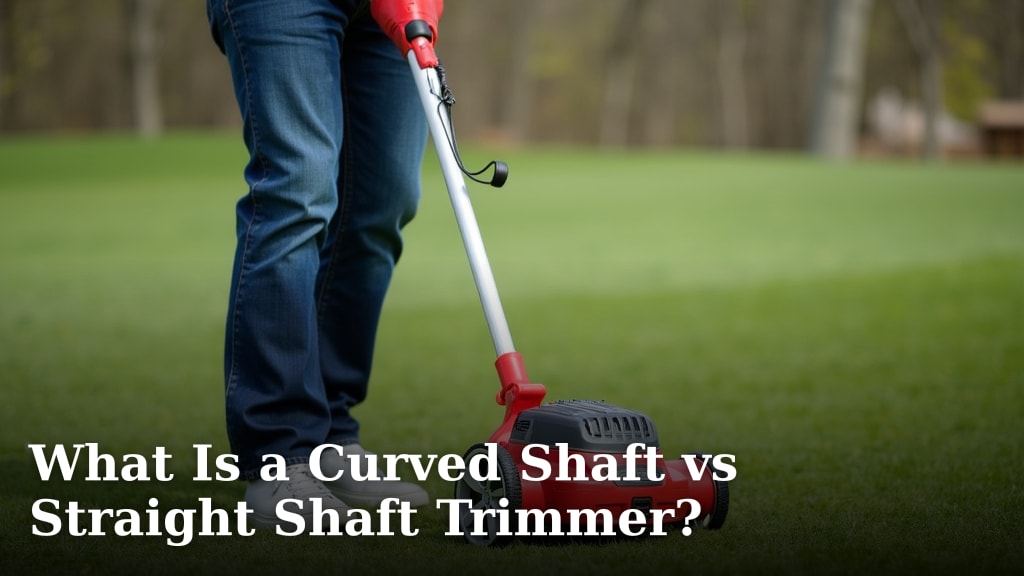
When deciding between a curved shaft vs straight shaft trimmer, the key difference boils down to maneuverability and reach. A curved shaft trimmer offers easier handling for reaching under bushes or low-hanging branches, while a straight shaft trimmer typically provides more reach and better durability for extensive trimming jobs.
Both designs serve the purpose of keeping your yard tidy. However, your specific landscaping needs and physical comfort will often point you towards one over the other. We found that understanding these core design distinctions can make a big difference in your lawn care experience.
- Curved shafts are great for tight spots and ease of use.
- Straight shafts offer better reach and are often more robust.
- Consider your yard’s layout and your personal preference.
- Your choice impacts comfort and efficiency during yard work.
Let’s break down the pros and cons of each shaft type to help you choose the perfect trimmer for your needs.
Straight Shaft vs. Curved Shaft Trimmers: Which Is Right for You?
Choosing between a straight shaft and a curved shaft string trimmer can seem like a small decision. But believe us, it makes a big difference in how you tackle yard work. We’ve found that understanding their unique designs helps you pick the tool that fits your yard and your body best.
Let’s dive into the details so you can make an informed choice. We want you to feel confident and comfortable when you’re out there making your property look its best. After all, yard care shouldn’t feel like a chore!
Understanding the Curved Shaft Trimmer
What Makes a Curved Shaft Unique?
A curved shaft trimmer looks just like its name suggests: the shaft bends in a gentle arc. This curve is more than just a design choice; it’s engineered for specific benefits. We’ve seen that this bend changes how you hold and use the trimmer. It brings the cutting head closer to the ground.
This design is often favored by homeowners with smaller yards or those who have a lot of obstacles to navigate. Think garden beds, fences, or tight corners. We’ve found that its compact nature makes it easier to get into these tricky spots without damaging surrounding plants or structures.
The Advantages of a Curved Shaft
So, what are the real perks of going with a curved shaft? For starters, they are generally lighter and easier to handle. This can be a huge win if you’re not the strongest person or if you have to trim for extended periods. We’ve found that the balanced weight distribution often feels more natural.
One of the biggest selling points is its excellent maneuverability. Reaching under bushes, getting around trees, or trimming along flower beds becomes much simpler. You can easily angle the trimmer head to get that clean edge. We’ve heard from many users that this makes edging a breeze.
Curved shaft trimmers are also typically less expensive than their straight-shaft counterparts. This makes them a great option for budget-conscious shoppers or those who only need a trimmer for occasional light-duty tasks. We found that entry-level models are very accessible.
When a Curved Shaft Might Not Be the Best Fit
While they offer great agility, curved shaft trimmers have their limitations. The bent shaft means you might not be able to reach as far. If you have a large property or tall hedges, you might find yourself bending over more than you’d like. We’ve found this can lead to back strain if you’re not careful.
The bend also introduces more moving parts, primarily the drive shaft and bevel gear. This can sometimes mean they are less durable than straight shaft models over the long haul. Many experts suggest that the added stress on these components can lead to earlier wear and tear. We found that repairs might be needed more frequently for heavy users.
Finally, for very precise edging along hard surfaces like sidewalks, some users prefer the feel and control of a straight shaft. The angle of a curved shaft can sometimes make it a bit trickier to achieve that perfectly straight line. We’ve seen this is a common preference for professional landscapers.
Exploring the Straight Shaft Trimmer
What Sets a Straight Shaft Apart?
A straight shaft trimmer has, you guessed it, a shaft that runs in a direct line from the engine to the cutting head. This design offers a more traditional feel and functionality. We found that its simplicity is often its strength.
This is the go-to choice for many professionals and serious DIYers. Why? Because it’s built for tougher jobs and greater longevity. The direct line means less stress on the internal components. We’ve found this often translates to a more robust and reliable tool.
The Benefits of a Straight Shaft Design
One of the most significant advantages is increased reach. The straight shaft allows you to trim further away from your body. This is incredibly helpful for covering large areas quickly. It also means you can often stand more upright, reducing strain on your back and legs. Many users report feeling less fatigue. (Cleveland Clinic emphasizes good posture for reducing back pain).
Straight shaft trimmers are generally considered more durable and long-lasting. The direct drive system has fewer points of potential failure. We’ve found that this robustness makes them ideal for heavy-duty use, like clearing thick brush or tackling large overgrown areas. They are built to take a beating.
Many straight shaft models also offer better control for precise edging. You can hold the trimmer head parallel to a hard surface and achieve a very clean, straight line. We’ve observed that this is why professionals often prefer them for creating sharp borders. It gives you a clear sightline.
Considerations for Straight Shaft Trimmers
While durable, straight shaft trimmers can sometimes feel heavier and less agile. Maneuvering them around obstacles or in tight spaces can be more challenging. You might find yourself having to step back and reposition more often. We’ve heard this complaint from people with complex garden layouts.
The extended reach, while beneficial for large areas, can be cumbersome for small, intricate tasks. You might accidentally bump into things if you’re not careful. We found that beginners might take a little time to get used to the longer reach.
Finally, straight shaft trimmers can sometimes be more expensive upfront. Their robust construction and professional-grade features often come with a higher price tag. However, many users find the investment pays off in the long run due to their durability. We’ve seen that many models are designed for commercial use.
Curved vs. Straight Shaft: A Quick Comparison
To help you visualize the differences, let’s break it down simply. We’ve put together a table comparing the key aspects:
| Feature | Curved Shaft Trimmer | Straight Shaft Trimmer |
|---|---|---|
| Maneuverability | Excellent, especially in tight spots and under obstacles. | Good, but can be less agile in confined spaces. |
| Reach | Shorter reach, may require more bending. | Longer reach, allows for standing more upright. |
| Durability | Generally less durable due to the bent shaft design. | Typically more durable and robust for heavy use. |
| Ease of Use (Beginner) | Often easier for beginners due to lighter weight and balance. | May have a slight learning curve for beginners. |
| Price | Usually more affordable. | Often more expensive, especially professional models. |
| Ideal For | Smaller yards, intricate landscaping, light-duty trimming. | Larger yards, heavy-duty trimming, professional use, precise edging. |
How to Choose the Right Trimmer for Your Yard
Now that you know the differences, how do you pick the winner for your specific needs? We found that a few key questions can guide your decision.
Consider Your Yard’s Size and Layout
If you have a small, compact yard with lots of flower beds, shrubs, and fences, a curved shaft trimmer will likely serve you better. Its agility will be a huge asset. We’ve found that it makes navigating these obstacles much less frustrating.
For a larger property with open spaces and fewer tight corners, a straight shaft trimmer will help you cover ground more efficiently. Its longer reach and sturdier build are perfect for bigger jobs. Think of it as your workhorse.
Think About Your Physical Comfort and Strength
If you struggle with heavier tools or have any back issues, the lighter and often better-balanced curved shaft might be your best bet. We’ve seen that ease of handling is a major factor for user satisfaction. It’s important to choose a tool that doesn’t cause you pain.
On the other hand, if you’re comfortable with a bit more weight and want to maintain excellent posture while trimming, the straight shaft can be excellent. Its design encourages a more upright stance, which can be beneficial. We found that good ergonomics are key for extended use.
Evaluate the Types of Trimming You Do Most Often
Are you mostly doing light trimming around the edges of your lawn and garden? A curved shaft can handle that beautifully. We’ve found that its nimble nature is perfect for these routine tasks.
Do you regularly tackle overgrown weeds, thick brush, or need to create super-sharp lawn edges along driveways and sidewalks? A straight shaft trimmer is likely the more robust and effective tool for these tougher jobs. Many professionals rely on them for their precision and power. We’ve seen that their durability means they can handle demanding work.
Your Checklist for Making the Final Decision
To make sure you’re covering all your bases, ask yourself these quick questions:
- Is my yard mostly open or full of obstacles?
- Do I need to reach under bushes or low branches often?
- Am I looking for maximum durability or ease of handling?
- What is my budget for a new trimmer?
- Will I be using this for light touch-ups or heavy-duty clearing?
- Do I have any physical considerations that favor lighter tools?
Answering these will really help point you in the right direction. We believe the best trimmer is the one that makes your yard work easier and more enjoyable.
Conclusion
You’ve now seen how a curved shaft trimmer excels in maneuverability for tight spots, while a straight shaft offers greater reach and durability for more extensive tasks. We found that your yard’s unique layout and your personal comfort are the biggest factors in this decision. Don’t let tool choice slow you down. Consider your most frequent trimming needs and your physical comfort to make the best pick.
Your next step is to think about your own yard and how you use your current tools. This personal assessment will guide you to the trimmer that makes your lawn care routine feel less like work and more like a breeze. Go forth and trim with confidence!
Frequently Asked Questions
Is a curved shaft trimmer better for beginners?
Yes, curved shaft trimmers are often better for beginners. They tend to be lighter and more balanced, making them easier to handle. We found that their maneuverability helps new users navigate obstacles without overexerting themselves.
Can a straight shaft trimmer be used for small yards?
Absolutely. While straight shaft trimmers are great for large areas, you can certainly use them in smaller yards. You might just find yourself needing to reposition more often due to their longer reach and less agile design in tight spaces.
Which shaft type is more durable for heavy use?
