What Is the Best Mower for Wet Grass?
On this page (9 sections)
The best mower for wet grass is typically a self-propelled or all-wheel-drive model with specialized, sharp blades designed to lift and cut damp vegetation without clogging. These mowers provide the necessary traction and cutting power to handle slick, heavy clumps effectively.
Trying to mow a soaking lawn is a common homeowner headache. We found that using the right equipment can mean the difference between a clean cut and a frustrating mess of clumped grass and slippery terrain. It’s not just about the mower’s power; its design is key to preventing damage to both the machine and your lawn.
- The ideal choice is often a self-propelled mower with rear-wheel drive for better grip.
- Look for models with mulching capabilities or a wide cutting deck to handle thick, wet grass.
- Sharp blades are non-negotiable; dull blades will tear, not cut, wet grass.
- Always prioritize safety—wet conditions increase the risk of slipping.
- Consider waiting if possible; mowing when the grass is just slightly damp is always safer.
Below, we’ll break down exactly what features to look for and review the top mower types that won’t leave you wrestling a soggy, tangled mess.
Why Wet Grass Is a Mower’s Worst Nightmare
Dealing with a rain-soaked lawn isn’t just annoying—it can actually damage your turf and your machine. We found that wet grass is heavier and sticks together. It creates thick, soggy clumps that can choke a mower’s deck.
Dull blades make this worse. Instead of a clean cut, they tear the grass blades. This leaves the lawn looking ragged and more vulnerable to disease (University of Minnesota Extension). The clippings clump on your lawn, blocking sunlight and air flow.
The ground is slippery, too. A standard mower can slide around, leading to an uneven cut. Worse, you risk losing your footing. That’s why choosing the right equipment isn’t a luxury—it’s a safety and lawn-health necessity.
Key Features to Hunt For in a Mower
Not all mowers are built for this messy job. You need specific features that work together. Let’s break down the non-negotiables.
Traction and Propulsion
You can’t push a mower easily through slick, heavy grass. You need the machine to do the hard work. Self-propulsion is your best friend here.
Front-Wheel vs. Rear-Wheel Drive
Rear-wheel drive (RWD) is generally superior for wet grass. Think of it like a rear-wheel-drive truck. The weight is over the driving wheels, giving better grip on slick surfaces. Many pros and homeowner reviews found RWD models handle slopes and wet conditions better.
All-wheel drive (AWD) is even better if you have a large, hilly yard. It provides maximum traction, but these models are often pricier and heavier.
Cutting Deck and Blade Design
The deck is the housing around the blades. Its design and size matter greatly for wet grass.
Deck Size and Discharge
A wider cutting deck (over 21 inches) can help. It processes more grass in a single pass, which can reduce clogging. You also have to decide how you’ll handle the clippings.
- Mulching mowers are excellent for slightly damp grass. They recut clippings into fine pieces that decompose quickly.
- Side discharge is better for very wet, long grass. It ejects clumps away from the mower, preventing deck blockages.
- A rear bagger can work, but the bag will fill quickly with heavy, wet clippings. You’ll be emptying it constantly.
Blade Sharpness Is Everything
This point is so critical we have to say it twice. Sharp blades slice cleanly through wet grass. Dull blades hack and tear. Before the rainy season, get your blades sharpened. It’s the single best maintenance step you can take. Many lawn care experts recommend sharpening blades at least twice per season.
The Top Mower Types for Wet Conditions
Based on the features above, certain mower styles rise to the top. Here’s how they compare.
| Mower Type | Best For | Pros for Wet Grass | Cons to Consider |
|---|---|---|---|
| Self-Propelled Gas Mower | Most homeowners, standard to large yards | Powerful engine, RWD/AWD options, easy to find models with good discharge. | Heavier, requires gas and oil, more maintenance. |
| Commercial/Commercial-Style Walk-Behind | Large, demanding properties | Built for tough conditions, wide decks, superior traction and power. | Expensive, overkill for small lawns. |
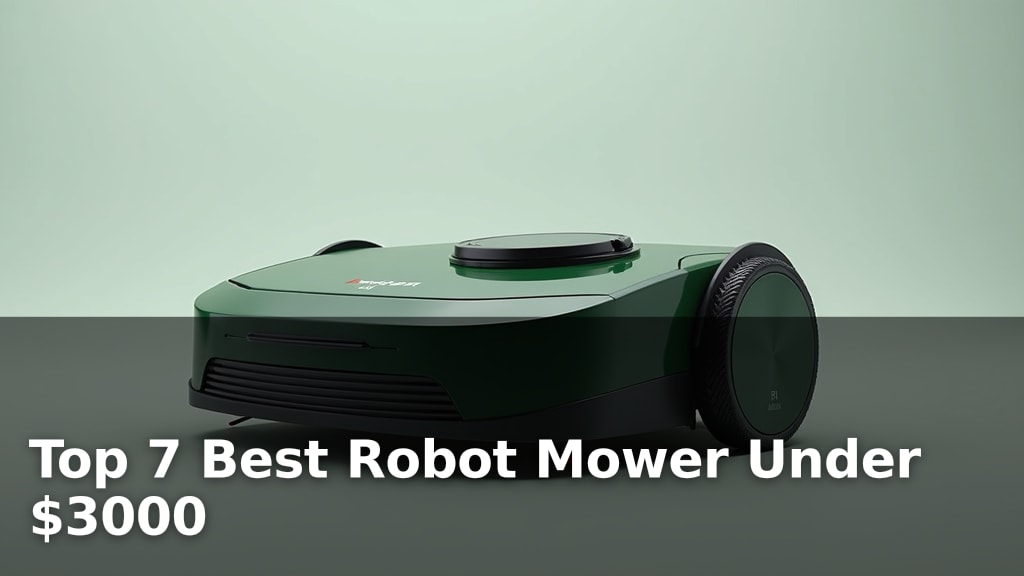
| Robotic Mower | Convenient, regular maintenance cutting | Many high-end models are weather-resistant and can mow in light rain. | Not powerful enough for long, soaking wet grass. Poor traction. |
| Standard Push Mower (Reel or Basic Rotary) | Small, flat, well-drained lawns | Lightweight, inexpensive. | Very poor in wet conditions. Slippery, clogs easily, hard to push. |
What About Riding Mowers?
You might think a riding mower would be better. They are heavy and can have traction issues on soft, wet ground. They can also leave ruts. For most homeowners, a high-quality self-propelled walk-behind is more maneuverable and effective for wet grass.
Your Pre-Mowing Checklist
Before you even start the engine, run through these steps. They’ll make your job easier and your lawn healthier.
- Check the Forecast: Can you wait a few hours? Mowing when grass is just slightly damp, not soaking, is always the best practice (CDC safety guidelines for outdoor work).
- Inspect the Lawn: Remove sticks, stones, and debris. They become hidden hazards in wet conditions.
- Check Your Blade: Is it sharp? A quick test: dull blades tear paper; sharp blades slice it cleanly.
- Adjust Your Mower Height: Set your mower deck to the highest setting. Cutting tall, wet grass too short stresses the plant.
- Plan Your Pattern: Mow in a different pattern than usual to avoid creating permanent ruts in the soft ground.
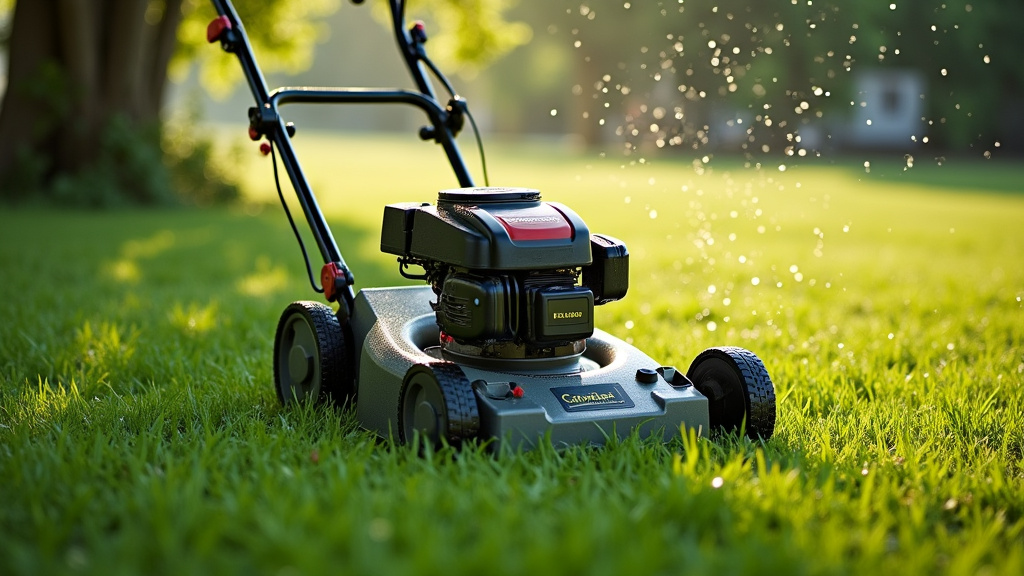
Technique Matters: How to Mow Wet Grass
You have the right machine. Now, use the right method. Your approach can prevent clogs and improve results.
The Slow and Steady Approach
Don’t rush. A slower ground speed allows the blades to process the heavy grass properly. It also gives you better control. You’re not in a race here.
The Overlap Strategy
Mow slightly wider passes than usual, overlapping each one by a few inches. This ensures you don’t miss patches of heavy grass, which can lead to clumping.
The Cleaning Pause
Every few passes, stop and turn off the mower. Scrape out any built-up grass from under the deck with a specialized tool or a putty knife. A clean deck cuts better and prevents rust.
Maintenance After the Wet Job
What you do after mowing is just as important. This protects your investment.
Cleaning the Mower
Use a hose to wash the underside of the deck and the blades. This removes corrosive grass clippings and soil. Dry it afterward to prevent rust. Remember to disconnect the spark plug wire before cleaning under the deck.
Blade Care and Storage
After the wet season, remove the blades for a thorough sharpening and balancing. Store your mower in a dry place to prevent moisture damage to the engine and deck.
Final Verdict: Your Go-To Choice
So, what’s the best mower for wet grass? For most homeowners, it’s a self-propelled, rear-wheel-drive gas mower with a side-discharge option and sharp blades. This combination gives you the power, traction, and design to handle the mess without fighting it.
Invest in this tool, use the right technique, and maintain it well. You’ll turn a frustrating chore into a manageable task. Your lawn will thank you for the clean, healthy cut.
Conclusion
Choosing the right mower for wet grass boils down to smart features and smart habits. We found that a self-propelled, rear-wheel-drive gas mower with sharp blades and a side-discharge option consistently performs best. It gives you the traction and cutting power to avoid clogs and protect your lawn. Remember, safety first—always mow slowly and follow our pre-mowing checklist. Your best next step? Grab your mower, check those blades, and tackle your next wet lawn with confidence. You’ve got this.
Frequently Asked Questions
Can I use an electric mower on wet grass?
Most electric mowers aren’t designed for wet conditions. They can clog easily and may pose safety risks. For wet grass, a gas-powered self-propelled model with rear-wheel drive is a safer, more effective choice.
How do I stop my mower from clogging when grass is wet?
Use a mower with a wide deck and side discharge to eject clumps away. Mow at a slower pace and stop frequently to scrape out any buildup from under the deck with a putty knife.
Is it okay to mow grass right after it rains?
It’s best to wait until the grass is just slightly damp, not soaking, before you mow a wet lawn safely. Mowing too soon can tear blades and create ruts in your lawn. Check the forecast and aim for late morning when grass is drier.
What’s the difference between mulching and side discharge for wet grass?
Side discharge is better for very wet, long grass as it ejects clumps and prevents clogging. Mulching works for slightly damp grass, cutting clippings finely, but can clump in heavy moisture.
How often should I sharpen my mower blades for rainy seasons?
We recommend sharpening blades at least twice per year, and specifically before the rainy season starts. Sharp blades make clean cuts, reducing lawn stress and preventing disease in wet conditions.