
Why Is My Lawn Mower Engine Overheating?
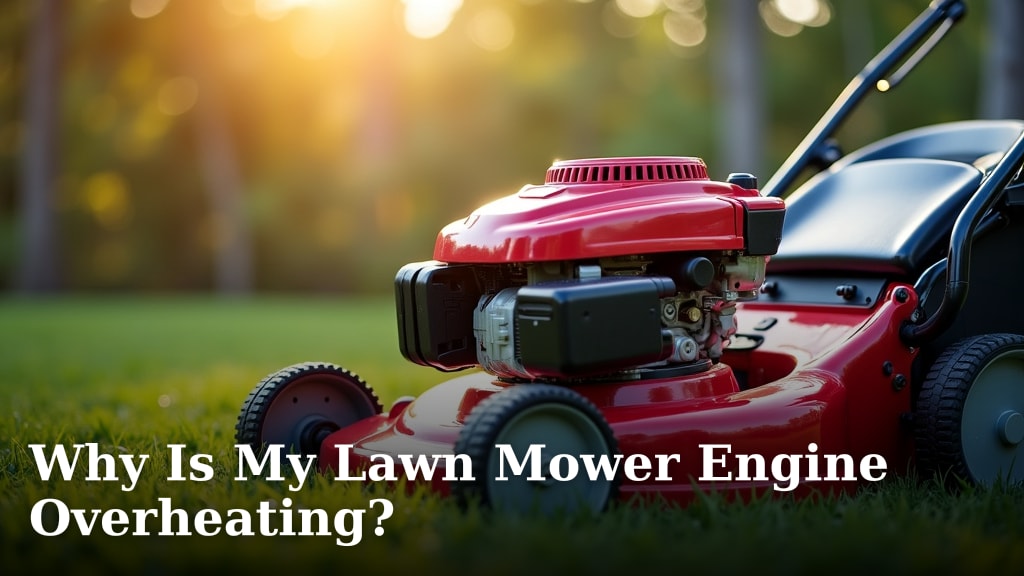
Your lawn mower engine is overheating mainly because of a clogged air filter or a low oil level. These common issues prevent your mower from getting the proper airflow or lubrication it needs to stay cool. If your mower starts to sputter or shut down unexpectedly, overheating is often the culprit.
When an engine runs too hot, it can lead to serious damage. We found that keeping the cooling fins clean and ensuring your oil is fresh are top priorities. Ignoring these simple checks can turn a quick mow into a costly repair job. It’s no fun when your trusty mower turns into a steaming mess!
- Clogged air filter is a primary cause.
- Low oil level reduces lubrication and cooling.
- Dirty cooling fins restrict airflow.
- Using old or dirty oil can contribute.
- Sharp mower blades can make the engine work harder.
Let’s walk through the most common reasons why your lawn mower engine might be getting too hot and what you can do to fix it before your next mowing day.
Common Reasons Your Lawn Mower Engine Gets Too Hot
It’s a common frustration. You’re halfway through mowing, and your trusty lawn mower starts to sputter and shut down. Often, the culprit is an overheating engine. This can be worrying, but most overheating issues are surprisingly simple to fix. We found that understanding the basic needs of your mower’s engine can prevent costly damage.
Checking the Air Filter: Your Engine’s Lungs
Think of your air filter like your lawn mower’s lungs. If they get clogged, it can’t breathe properly. A dirty air filter restricts airflow to the engine. This forces the engine to work harder. When it works harder, it generates more heat. We found that a clogged filter is one of the most frequent reasons for overheating.
How a Clogged Air Filter Causes Overheating
Your engine needs a good mix of air and fuel to run efficiently. When the air filter is dirty, less air gets into the combustion chamber. This can lead to an imbalance in the fuel-air mixture. The engine then struggles to perform its job. This struggle creates excess heat that can’t escape quickly enough. Many experts say this is a primary cause of mower engine overheating.
Signs of a Dirty Air Filter
You might notice your mower runs rough or loses power. Black smoke from the exhaust is another tell-tale sign. It means the engine isn’t getting enough air to burn the fuel completely. If you see dust or debris packed into the filter, it’s definitely time for a change. We found that regular checks save a lot of trouble.
Cleaning or Replacing Your Air Filter
Most lawn mower air filters are easy to access. You’ll usually find them under a cover or housing. For paper filters, tap it gently to remove loose dirt. If it’s really dirty, it’s best to replace it. Foam filters can often be washed with soap and water. Make sure it’s completely dry before putting it back. We found that replacing an air filter is a quick and cheap fix.
The Importance of Engine Oil
Engine oil does more than just lubricate moving parts. It also plays a vital role in cooling your engine. It circulates throughout the engine, carrying heat away from hot components. Low oil levels mean less lubrication and less cooling. This can quickly lead to an overheating situation. We found that checking your oil is as important as checking your tire pressure.
Low Oil Level and Its Consequences
When your oil level is low, the oil pump might not be able to circulate enough oil. This creates hot spots within the engine. These hot spots can damage engine parts over time. Metal-on-metal contact increases without proper lubrication. This friction generates even more heat. Many mechanics will tell you that running an engine low on oil is a recipe for disaster.
Checking and Topping Off Your Oil
Always check your oil when the engine is cool. Most mowers have a dipstick. Pull it out, wipe it clean, reinsert it fully, then pull it out again. The oil level should be between the “add” and “full” marks. If it’s low, add the correct type of oil specified in your mower’s manual. Don’t overfill it! We found that using the right oil type is essential for your mower’s health.
Using Fresh Oil
Old or dirty oil loses its effectiveness. Over time, oil can break down and become contaminated with combustion byproducts. This reduces its ability to lubricate and cool. Many manufacturers recommend changing the oil at least once a season. We found that fresh oil keeps your engine running smoothly and cooler.
Cooling System Issues: Airflow is Key
Most lawn mower engines use air cooling. This means they rely on airflow to dissipate heat. If this airflow is blocked, the engine can’t cool down effectively. The cooling system is often simpler than a car’s, but just as important. We found that debris build-up is a common enemy of good airflow.
Dirty Cooling Fins
Your engine block has fins designed to increase surface area. This helps air move over them and carry heat away. Grass clippings, dirt, and oil can build up on these fins. This build-up acts like an insulator. It traps heat and prevents proper cooling. We found that clean fins are essential for air-cooled engines.
Why Fins Get Dirty
Mowing wet grass is a major contributor. It tends to stick to the engine components. Also, oil leaks can attract dust and debris. If you mow in dusty conditions, that can also coat the fins. Many lawn care professionals advise cleaning your mower after each use to prevent this. We found that regular cleaning is preventative maintenance.
Cleaning the Cooling Fins
Turn off the engine and let it cool completely. Use a stiff brush or compressed air to remove debris. For stubborn gunk, you might need a putty knife or scraper. Be gentle so you don’t bend the fins. We found that a clean engine runs cooler and more efficiently. This also makes it easier to spot any potential leaks.
Blocked Air Vents and Passages
Beyond the fins, there are other vents and passages designed to direct airflow. Grass clippings can clog these areas too. If you’ve recently hit a thick patch of grass or a hidden obstacle, something might have gotten lodged. We found that debris can build up in surprising places.
Identifying Blocked Vents
Visually inspect the mower’s engine housing and shrouds. Look for any openings where air should be able to flow. Gently poke around with a stick or screwdriver to dislodge any packed-in debris. Be careful not to damage any components. We found that a quick inspection can save your engine from overheating.
Engine Load and Mowing Conditions
Sometimes, the overheating isn’t due to a maintenance issue but rather how you’re using the mower. Pushing your engine too hard for too long can cause it to overheat, especially in certain conditions. We found that understanding your mower’s limits is key.
Mowing Tall or Wet Grass
Tall, thick grass requires more power from your engine. It’s like trying to run through deep snow. Your engine has to work much harder to cut through it. Wet grass is also heavier and denser, adding to the strain. Many experts suggest mowing frequently to avoid letting grass get too long. We found that this reduces engine load.
Strategies for Tough Mowing Jobs
If you must mow tall grass, do it in stages. Cut only a portion of the grass height at a time. You might need to slow down your mowing speed. You can also try raising your cutting deck height. This makes the job easier for the engine. We found that taking it slow prevents overheating.
Dull Mower Blades
Sharp mower blades cut grass cleanly. Dull blades tear at the grass. This requires more force and puts a significant strain on the engine. Think of trying to cut paper with scissors versus a dull knife. The dull knife requires much more effort. We found that sharp blades are not just for a clean cut; they help your engine.
The Impact of Dull Blades
When blades are dull, the engine has to spin them with more torque. This increased demand draws more fuel and generates more heat. It’s an extra burden your engine doesn’t need. Many lawn care guides recommend sharpening blades at least once a season. We found that this is a critical maintenance task.
Other Contributing Factors
While air filters, oil, and airflow are primary culprits, a few other things can contribute to your mower’s engine overheating. It’s good to keep these in mind during your maintenance routine.
Exhaust System Issues
A clogged muffler can also impede engine performance. It traps exhaust gases, increasing back pressure. This makes the engine work harder and hotter. While less common than air filter issues, it’s worth checking if other causes have been ruled out. We found that proper exhaust flow is crucial.
Engine Overload or Misuse
Using your mower for tasks it wasn’t designed for, like clearing thick brush, can cause overheating. Always use your equipment as intended. Pushing your engine past its limits, even for short periods, can cause damage. We found that understanding your mower’s purpose prevents damage.
Internal Engine Problems
In rare cases, the overheating might stem from internal engine wear or damage. This could include issues with the governor or internal seals. If you’ve checked all the common causes and your mower still overheats, it might be time for a professional inspection. We found that these are typically more serious issues requiring expert attention.
Quick Checklist for a Cooler Mower
Preventing your mower engine from overheating is mostly about consistent, simple maintenance. Here’s a quick rundown to keep your mower running cool:
- Check and clean or replace your air filter regularly.
- Ensure your oil level is correct and the oil is clean.
- Keep the engine’s cooling fins free from debris.
- Inspect air vents for blockages before each use.
- Sharpen your mower blades for easier cutting.
- Avoid mowing excessively tall or wet grass when possible.
Conclusion
We’ve covered the most common reasons your lawn mower engine might be overheating. Most issues boil down to simple, regular maintenance. Keeping your air filter clean, your oil topped up and fresh, and the engine’s cooling fins clear are your best defenses. Don’t forget sharp blades and smart mowing habits for tough jobs. By addressing these key areas, you’re not just preventing a breakdown; you’re ensuring your mower lasts longer and performs better. Your next step is to grab your owner’s manual and schedule a quick check-up before your next mow.
Frequently Asked Questions
How often should I check my lawn mower’s air filter?
We found that checking your air filter at least once a month is a good practice. If you mow frequently or in dusty conditions, it’s best to inspect it before each use. A visibly dirty filter means it’s time for a clean or replacement.
What’s the difference between paper and foam air filters?
Paper filters are usually replaced when dirty, as they’re difficult to clean effectively. Foam filters, on the other hand, can often be washed with mild soap and water. Just make sure they are completely dry before reinstalling.
Can I use car oil in my lawn mower?
We strongly advise against using car oil unless your mower’s manual specifically allows it. Lawn mower engines often run hotter and have different lubrication needs. Always use the oil type recommended by your mower’s manufacturer.
Is it okay to mow my lawn when the grass is wet?
Mowing wet grass is a common cause of engine strain and overheating. The grass is heavier and sticks to the mower deck and engine components, blocking airflow. We found it’s best to wait for the grass to dry to reduce engine load.
My mower still overheats even after I cleaned the air filter and checked the oil. What else could it be?
If you’ve covered the basics, the problem might be dirty cooling fins or blocked air vents, which restrict airflow. Dull mower blades also make the engine work harder. If these are all clear, it might be time to consult a professional for internal engine issues.
