
Why Is My Reel Mower Losing Power?

Your reel mower losing power usually means its engine is struggling to turn the blades. This often happens because of a clogged air filter, dirty spark plug, or old gasoline. You might also have a problem with the blade itself.
It’s frustrating when your mower sputters instead of smoothly cutting your grass. We found that most reel mower power issues stem from common maintenance oversights. Getting your mower running strong again is often a simple fix.
- Your reel mower losing power points to engine trouble.
- Common culprits include a dirty air filter or spark plug.
- Old gas can also be the main issue.
- Check your mower’s blades for damage or debris.
- Simple maintenance can usually solve the problem.
Let’s get your reel mower back in top shape. Below, we’ll walk through the most likely reasons your mower is losing power and how to fix them.
Troubleshooting Your Reel Mower’s Power Loss
It’s a bummer when your trusty reel mower starts to drag. You push, and it just doesn’t seem to have the same zip. You might be hearing it sputter or even stall completely. This usually means the engine is working harder than it should. Let’s figure out what’s making your mower lose its power so you can get back to a perfectly manicured lawn.
Checking the Air Filter: Your Mower’s Lungs
Think of the air filter as your mower’s lungs. It cleans the air before it goes into the engine. If it’s clogged with grass clippings, dirt, or dust, the engine can’t breathe properly. This chokes the engine and makes it lose power. A dirty air filter is one of the most common culprits for a struggling mower.
Signs of a Clogged Air Filter
You might notice your mower running rough, especially when you first start it. It could also smoke more than usual, often a dark, sooty smoke. If you recently mowed in very dusty conditions or after a lot of dry spells, your filter might be the prime suspect.
How to Inspect and Clean Your Air Filter
Locating the air filter is usually straightforward. It’s typically housed in a plastic or metal casing near the engine. Consult your mower’s manual if you’re unsure.
- Carefully remove the cover.
- Take out the air filter. Handle it gently.
- Inspect it for dirt and debris. Hold it up to a light. If you can’t see light through it, it’s probably too dirty.
- For paper filters, you can often tap them gently against a hard surface to dislodge loose debris. Do NOT wash paper filters.
- For foam filters, you can wash them with mild soap and water. Rinse thoroughly and let them air dry completely before reinstalling.
- If the filter is heavily damaged or extremely dirty, it’s best to replace it.
We found that a clean air filter can make a surprising difference in engine performance. It’s a simple step that can save you a lot of frustration.
Replacing a Damaged Air Filter
If your air filter is torn, brittle, or just won’t come clean, it’s time for a new one. Using a damaged filter is like trying to run a marathon with a stuffy nose – it just won’t work well. Your mower’s manual will tell you the correct part number for a replacement. Many auto parts stores or mower repair shops will carry common filter sizes.
The Spark Plug: Igniting the Power
The spark plug is what ignites the fuel in your engine. If it’s not working correctly, the engine won’t run smoothly, or it might not run at all. A worn-out or dirty spark plug can lead to power loss, misfires, and difficulty starting.
When to Check Your Spark Plug
If your mower is sputtering, backfiring, or just feels weak, the spark plug is worth a look. It’s especially important to check if you haven’t replaced it in over a year, or if you’re experiencing inconsistent engine performance.
Inspecting and Cleaning the Spark Plug
You’ll need a spark plug wrench to remove it. Again, your owner’s manual is your best friend here for locating it and finding the right wrench size.
- Once removed, look at the tip of the spark plug.
- Is it covered in black soot, oil, or carbon buildup? This indicates it’s dirty and needs cleaning or replacement.
- You can try cleaning a dirty plug with a wire brush. A little bit of carburetor cleaner can help remove stubborn deposits.
- Check the gap between the electrodes. Your manual will specify the correct gap. A feeler gauge is used to measure this.
Many lawn mower manufacturers recommend replacing the spark plug annually. We found this to be a good practice for ensuring reliable starting and consistent power delivery (Lawn Care Professionals Association).
Replacing a Worn-Out Spark Plug
If the tip of the spark plug is worn down, cracked, or heavily fouled, replacement is the best option. New spark plugs are inexpensive and easy to install. Make sure you get the correct type for your mower. Installing a new spark plug is like giving your engine a fresh start. It often resolves sputtering and power issues quickly.
Fuel Quality Matters: The Gas Factor
The fuel your mower uses is its lifeblood. Old or contaminated gasoline can cause all sorts of problems, including a significant loss of power. Gasoline degrades over time, especially if it contains ethanol.
Why Old Gas is Bad News
Ethanol in gasoline attracts water. Over time, this water can separate from the gas and cause rust in your fuel tank and lines. Also, the volatile compounds in gasoline evaporate, leaving behind a varnish-like residue. This gunk can clog your fuel system and carburetor, leading to poor performance. Many experts recommend using fuel that is less than 30 days old.
Signs Your Gas Might Be the Problem
If your mower sat for a long time without fuel stabilizer, or if you’re using gas from a can you haven’t touched in months, the fuel is likely suspect. Symptoms include difficulty starting, rough idling, and a noticeable lack of power, especially under load.
What to Do About Old or Bad Gas
- Drain the old gas from your mower’s fuel tank into an approved container.
- Dispose of it properly at a local hazardous waste collection site.
- Clean the fuel tank if you see any debris or signs of rust.
- Add fresh gasoline. Look for gasoline with a lower ethanol content if possible, or use a fuel stabilizer.
We found that using a quality fuel stabilizer, especially if your mower will sit for more than a month, can prevent these fuel-related issues. It’s a small investment that pays off.
Carburetor Issues: The Engine’s Fuel Mixer
The carburetor’s job is to mix air and fuel in the correct ratio for combustion. If it’s dirty or clogged, the fuel-air mixture will be off, leading to power loss. This is often a consequence of using old gas.
Identifying Carburetor Problems
Symptoms of a clogged carburetor include uneven idling, stalling, and a lack of power. The engine might run fine at low speeds but bog down when you try to accelerate or engage the blades fully.
Cleaning a Carburetor
Cleaning a carburetor can be a bit more involved. It often requires disassembly. If you’re not comfortable with this, it’s best to take your mower to a service center.
- If you decide to proceed, ensure the engine is cool.
- Disconnect the fuel line and any linkages.
- Carefully remove the carburetor.
- Disassemble it according to your mower’s service manual.
- Use carburetor cleaner spray to remove any gunk from jets and passages.
- Reassemble carefully, ensuring all parts are in their correct places.
Many users find that simply flushing the carburetor with cleaner without full disassembly can resolve minor clogs. However, for persistent issues, a thorough cleaning is usually necessary. If cleaning doesn’t help, replacement might be needed.
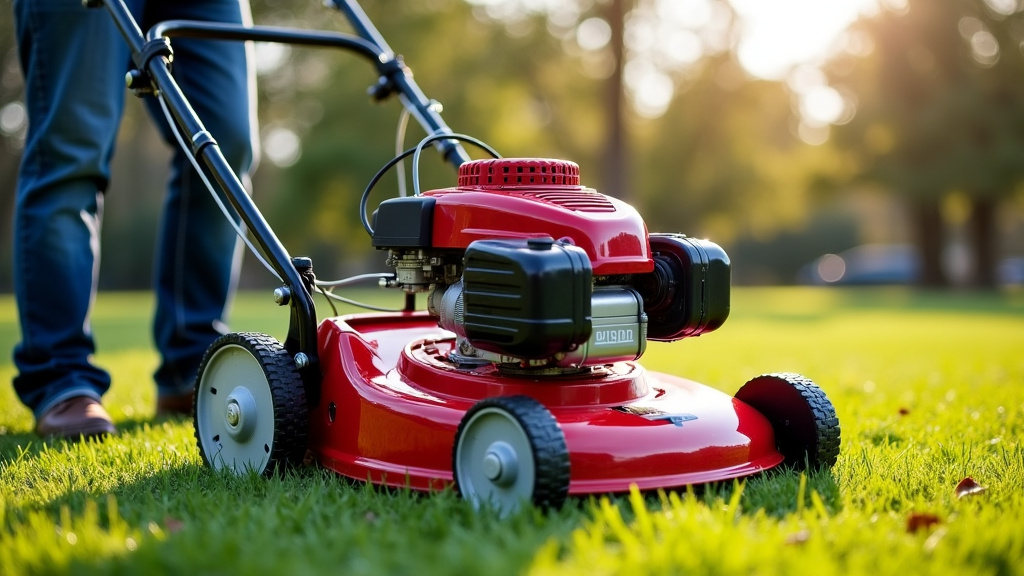
Blade Maintenance: Sharpness and Obstructions
While most power loss issues point to the engine, don’t forget about the blades themselves. Dull or damaged blades work harder, which makes the engine strain. Obstructions can also instantly halt a mower.
Dull Blades Require More Effort
Sharp blades slice through grass cleanly. Dull blades tear at the grass. This tearing action requires more torque from the engine. Over time, this constant extra strain can lead to engine wear and reduced performance. Many sources suggest sharpening your reel mower blades at least once a year.
Checking for Debris and Damage
Before each use, do a quick visual check of your mower’s blades.
- Look for any grass clippings, twigs, or other debris stuck to them.
- Carefully rotate the blades by hand to ensure they move freely.
- Check for any nicks, bends, or significant wear on the cutting edges.
If you find debris, remove it carefully with a brush or cloth. If blades are damaged, they will need to be replaced. Damaged blades can throw the mower off balance and put undue stress on the engine and other components.
Sharpening Your Reel Mower Blades
Sharpening reel mower blades is a specific process that requires care. It often involves a grinding or honing technique. For optimal results and safety, many homeowners opt to have their blades professionally sharpened. However, if you’re handy, you can find sharpening kits and guides online. A well-maintained cutting reel ensures your mower glides through the grass effortlessly.
Engine Oil Level: Lubrication is Key
Just like your car, your mower’s engine needs the right amount of clean oil to run smoothly. Low oil levels can cause friction and heat, making the engine struggle and lose power. It can also lead to serious engine damage.
Checking the Oil Dipstick
Locate your mower’s oil fill cap, which usually has a dipstick attached.
- Ensure the mower is on a flat, level surface.
- Remove the dipstick and wipe it clean with a cloth.
- Reinsert the dipstick fully, then pull it out again.
- Check the oil level against the markings on the dipstick (usually “low” and “full” or “add” and “full”).
If the oil level is low, add the type and amount of oil recommended in your owner’s manual. Be careful not to overfill. Overfilling can also cause problems.
The Importance of Clean Oil
Oil degrades over time and collects dirt and metal shavings from engine wear. Dirty oil doesn’t lubricate as effectively. Many manuals suggest changing the oil once a season, or after a certain number of operating hours. This simple maintenance task can prevent many power-robbing issues.
Quick Checklist for Restoring Mower Power
Feeling overwhelmed? Here’s a quick rundown to get you started:
- Check the Air Filter: Is it clogged? Clean or replace it.
- Inspect the Spark Plug: Look for dirt or damage. Clean or replace if needed.
- Fresh Gas: Ensure you’re using recently purchased fuel.
- Blade Check: Are the blades clean and sharp? Remove debris and consider sharpening.
- Oil Level: Make sure the oil is at the proper level and looks clean.
We found that tackling these common maintenance points often resolves most reel mower power issues. You’ll likely be surprised at how much better your mower runs after these simple checks.
Conclusion
Your reel mower losing power doesn’t have to mean a trip to the repair shop. We’ve walked through common issues like clogged air filters, dirty spark plugs, and old gasoline. Your mower’s blades and oil level are also key players. Often, a simple check and a bit of maintenance are all you need to restore its cutting power. Don’t let a sputtering mower slow you down. Your next step is to grab your owner’s manual, do a quick inspection using this guide, and get your reel mower back to performing its best.
Frequently Asked Questions
How often should I clean my reel mower’s air filter?
You should inspect your air filter regularly, especially if you mow in dusty conditions or after dry spells. If you can’t see light through it when held up, it’s time for a cleaning or replacement. For most users, checking it monthly during mowing season is a good practice.
Can I use regular car gas in my reel mower?
You can use regular gasoline, but be mindful of its age and ethanol content. We found that using fuel less than 30 days old is best. If your mower will sit for a while, consider using a fuel stabilizer to prevent degradation.
My reel mower is suddenly very hard to push, what could it be?
If your mower is suddenly hard to push, check the blades first for debris or obstructions. Dull blades can also make it harder to push. Ensure the engine isn’t struggling due to a clogged air filter or old gas, which can cause it to bog down.
Is it normal for my reel mower to smoke a little?
A little bit of smoke on startup, especially if the mower has been sitting, might be normal. However, persistent dark or sooty smoke often indicates a problem, like a clogged air filter or an issue with the fuel-air mixture. Keep an eye on the color and amount of smoke.
How do I know if my spark plug needs replacing?
You should check your spark plug if you experience sputtering, difficulty starting, or inconsistent engine performance. Look for black soot, oil, or carbon buildup on the tip. If the electrode is worn down or cracked, it’s definitely time for a new one.
