
Why Is My Riding Mower Losing Power?
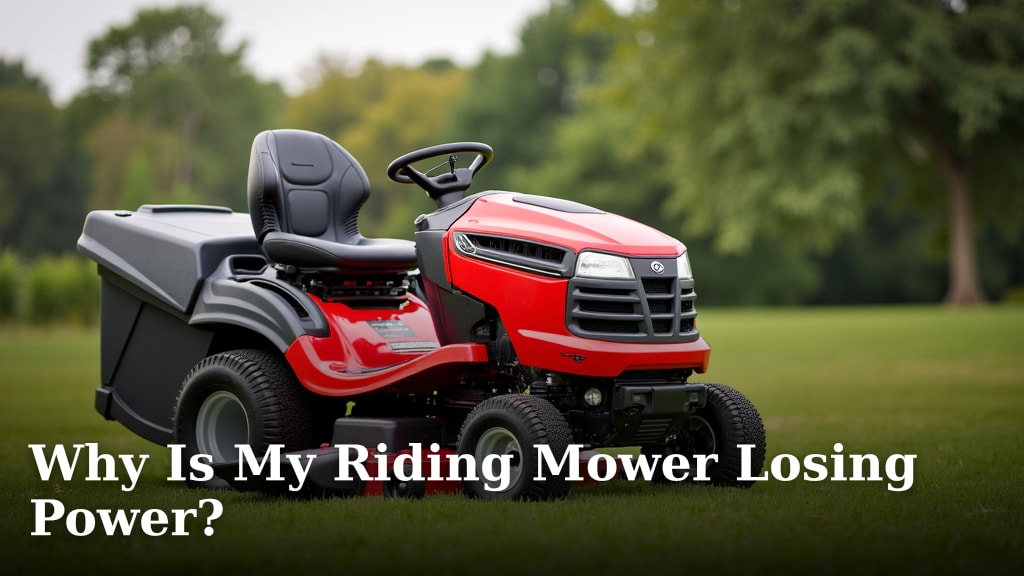
Your riding mower is losing power because of common issues like a clogged fuel filter, a dirty air filter, or bad spark plugs. These problems stop your engine from getting the right mix of fuel and air, making it run poorly or stall.
You know that feeling when your trusty mower just isn’t cutting it? We understand it’s frustrating when your riding mower loses power mid-job. It often means your engine isn’t working as efficiently as it should, leading to a weak performance or even breakdowns.
- Check fuel and air filters
- Inspect spark plugs
- Look for carburetor issues
- Review engine oil levels
- Ensure blades are clear
We’ll walk you through the most common reasons why your riding mower might be losing power, so you can get back to a beautifully cut lawn.
Why Your Riding Mower Might Be Struggling
When your riding mower loses power, it’s telling you something isn’t quite right. We found that the most common culprits are often related to the fuel, air, or ignition systems.
Fuel System Problems
Think of your mower’s engine as a hungry beast. It needs a steady supply of clean fuel to run strong. If that fuel supply is interrupted or dirty, your engine will definitely lose power.
Clogged Fuel Filter
Your fuel filter is like a coffee filter for your gas. Its job is to catch dirt, rust, and other debris before they reach your engine. Over time, this filter gets clogged. When it’s blocked, not enough fuel can get through.
- Symptoms: Your mower might start fine but then lose power under load, or it might surge and stall. It might feel like it’s starving for gas.
- Solution: Replace the fuel filter. This is a relatively easy and inexpensive fix. You’ll usually find it along the fuel line between the gas tank and the carburetor.
Stale or Contaminated Fuel
Did you know gasoline can go bad? If you’re using fuel that’s been sitting in a can for months, especially over winter, it can break down and cause problems. Water can also get into your fuel tank.
- Symptoms: Engine runs rough, loses power, or won’t start at all. You might notice a strange smell from the gas.
- Solution: Drain the old fuel and replace it with fresh, high-octane gasoline. Consider adding a fuel stabilizer if you store your mower for long periods (Environmental Protection Agency).
Carburetor Issues
The carburetor mixes air and fuel in the right proportions for your engine. If it’s dirty or clogged, this delicate balance gets thrown off. This is a very common reason for power loss.
- Symptoms: Engine sputtering, surging, backfiring, or running poorly, especially at higher RPMs. It might be hard to start.
- Solution: Often, cleaning the carburetor is enough. You can use a carburetor cleaner spray. For more severe clogs, a full carburetor rebuild or replacement might be needed. This can be a bit more involved, so consider a professional if you’re not comfortable.
Airflow Obstructions
Just as your engine needs fuel, it also needs to breathe. A proper air-to-fuel ratio is key. If your engine isn’t getting enough clean air, it will struggle and lose power.
Dirty Air Filter
Your air filter keeps dirt and dust out of your engine’s combustion chamber. Over time, it gets caked with debris. A dirty filter chokes off the air supply, making your engine run “rich” (too much fuel, not enough air).
- Symptoms: Reduced power, black smoke from the exhaust, and increased fuel consumption. The engine might sound like it’s struggling.
- Solution: Clean or replace the air filter. This should be a routine maintenance item. Most air filters are easy to access and swap out.
Clogged Cooling Fins
While not directly about combustion, overheating can lead to a loss of power. Your engine has cooling fins that allow air to circulate and keep the engine from getting too hot. If these are blocked by grass clippings and debris, your engine can overheat.
- Symptoms: Engine suddenly loses power and then shuts down, or you might see a temperature warning light if your mower has one.
- Solution: Regularly clean your engine’s cooling fins. Use compressed air or a brush to clear away any buildup.
Ignition System Failures
The ignition system creates the spark that ignites the air-fuel mixture. Without a strong, consistent spark, your engine won’t run efficiently, leading to power loss.
Worn or Fouled Spark Plugs
Spark plugs create the spark that ignites the fuel. Over time, they can become dirty (“fouled”) with carbon deposits, or the electrode can wear down. A weak spark means incomplete combustion.
- Symptoms: Engine misfires, runs rough, struggles to start, and loses power. You might also notice poor fuel economy.
- Solution: Inspect your spark plugs. If they look worn or dirty, replace them. Make sure they are gapped correctly according to your mower’s manual.
Faulty Ignition Coil
The ignition coil transforms your battery’s low voltage into the high voltage needed to create a spark at the spark plug. If the coil is failing, it won’t be able to provide a consistent, strong spark.
- Symptoms: Intermittent power loss, engine stalling when hot, or failing to start. It can mimic bad spark plugs but is often more erratic.
- Solution: Testing an ignition coil usually requires a multimeter. If it tests bad, it needs to be replaced. This is often a job for a professional unless you’re experienced.
Other Common Power Loss Contributors
Sometimes, the issue isn’t with the “big three” systems. Other factors can also cause your riding mower to lose its pep.
Low Engine Oil Level
Engine oil lubricates moving parts and helps cool the engine. Running your mower with low oil can cause excessive friction, overheating, and ultimately, a loss of power or even severe engine damage.
- Symptoms: Engine making unusual noises, overheating, or shutting down unexpectedly. A “low oil pressure” light might illuminate.
- Solution: Check your oil level regularly, typically before each use. Add oil if it’s low and change it according to your manufacturer’s recommendations.
Dull or Damaged Blades
You might not think your blades affect engine power, but they do! Dull or bent blades make your engine work much harder to cut grass. It’s like trying to cut with a dull knife – you need more effort.
- Symptoms: Uneven cuts, ragged-looking grass, and your engine struggling or slowing down when mowing thick grass.
- Solution: Sharpen or replace your mower blades regularly. Sharp blades make clean cuts and reduce the strain on your engine.
Quick Checklist for Power Loss
Feeling overwhelmed? Here’s a simple checklist to guide your troubleshooting process:
- Is the fuel fresh? (Drain and refill if old.)
- Is the fuel filter clear? (Replace if dirty.)
- Is the air filter clean? (Clean or replace.)
- Are the spark plugs healthy? (Clean, gap, or replace.)
- Is the oil level full? (Top off if low.)
- Are the blades sharp and clear? (Sharpen or clean.)
By systematically checking these common areas, you can often diagnose and fix the issue yourself, saving you time and money. Remember, regular maintenance is key to keeping your riding mower running strong for years to come (Consumer Reports).
| Problem Area | Common Symptoms | Typical Solution | DIY Difficulty (1-5, 5 being hardest) |
|---|---|---|---|
| Clogged Fuel Filter | Engine sputters, stalls, surges | Replace fuel filter | 1 |
| Dirty Air Filter | Reduced power, black smoke | Clean/replace air filter | 1 |
| Bad Spark Plugs | Misfires, rough idle, hard start | Replace spark plugs | 2 |
| Stale Fuel | Engine runs rough, won’t start | Drain and refill with fresh fuel | 2 |
| Carburetor Issues | Sputtering, surging, backfiring | Clean carburetor | 3 |
| Low Engine Oil | Unusual noises, overheating | Check & add oil | 1 |
| Dull Blades | Uneven cuts, engine strains | Sharpen or replace blades | 2 |
Conclusion
Dealing with a riding mower losing power can be annoying, but remember that many common issues have straightforward solutions. By systematically checking your fuel, air, and ignition systems, along with your oil and blades, you can often pinpoint the problem yourself. We found that most power loss issues stem from clogged filters or old fuel.
Regular maintenance is your best defense against these headaches. Stay proactive by routinely cleaning and replacing parts. If you’ve gone through our checklist and your mower is still struggling, it might be time to consult a professional to get your lawn back in top shape.
Frequently Asked Questions
Why does my riding mower lose power when going uphill?
Losing power uphill often points to your engine working harder than usual. This usually means a lack of sufficient fuel or air getting to the engine, or a weak spark. Check your fuel filter, air filter, and spark plugs first.
Can a dirty air filter really make my mower lose a lot of power?
Absolutely! A dirty air filter chokes your engine’s air supply, making it run “rich” with too much fuel. This imbalance significantly reduces efficiency and power, often causing black smoke and higher fuel use.
How often should I change my riding mower’s spark plugs?
Most manufacturers recommend inspecting or replacing spark plugs at least once a year, or every 100 operating hours. This helps ensure a strong spark for efficient combustion and consistent engine power.
What if my riding mower runs fine for a bit then loses power?
This symptom often suggests an issue that worsens as the engine heats up or as fuel flow is restricted. Look into potential issues with a partially clogged fuel filter, a failing ignition coil, or an overheating engine due to clogged cooling fins.
Is it always expensive to fix a riding mower that’s losing power?
Not necessarily! Many common causes like dirty filters, old fuel, or dull blades are inexpensive DIY fixes. While carburetor issues or ignition coil replacements can be more costly, starting with basic troubleshooting can save you significant repair money.
