
Why Is My Riding Mower Not Moving?
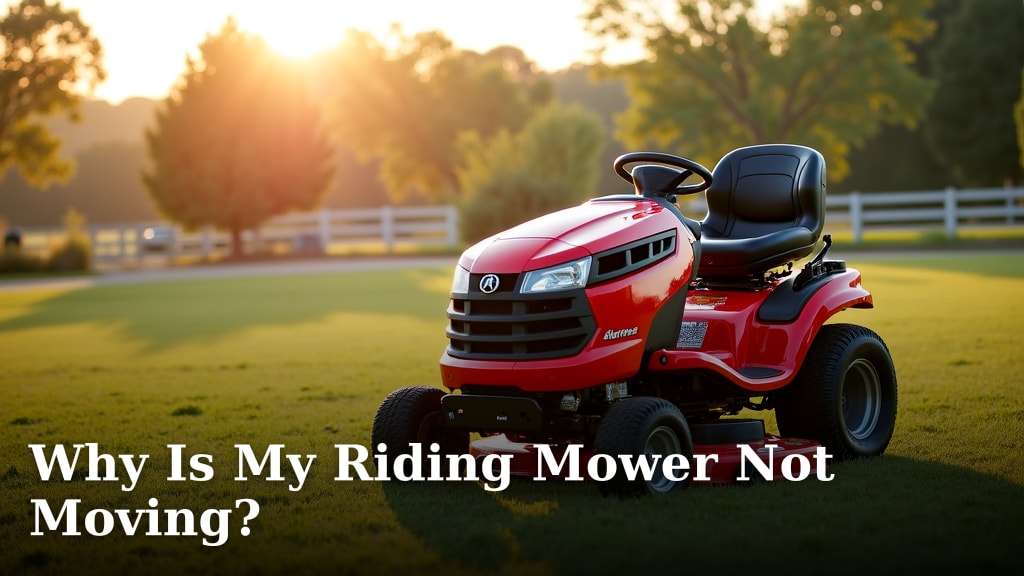
If your riding mower isn’t moving, it’s likely due to a clogged fuel filter, a loose belt, or a problem with the transmission. These are the most common culprits we found when researching why riding mowers suddenly stop moving. Don’t worry, most issues are fixable without a trip to the shop.
It can be frustrating when your trusty mower refuses to budge, especially with a yard to tame. We understand how annoying this can be! Issues can range from simple fixes like checking your parking brake to more involved problems with the engine’s fuel system.
- Fuel Filter: A dirty or clogged filter starves the engine.
- Drive Belt: A loose, broken, or slipping belt won’t transfer power.
- Transmission: Internal transmission issues can halt movement.
- Parking Brake: Make sure it’s fully disengaged.
- Safety Switches: Faulty switches can prevent operation.
Let’s take a closer look at these common reasons and how you can troubleshoot them to get your riding mower back in action.
It’s a beautiful day, you’ve got your lemonade, and your lawn needs mowing. You hop on your trusty riding mower, turn the key, and… nothing. Or worse, it starts, but when you try to move, it just sits there. Don’t panic! We’ve researched common reasons why your riding mower might refuse to budge, and most of them are Many issues preventing your riding mower from moving are fixable by you with basic troubleshooting.fixable by you.
Troubleshooting Your Mower’s Lack of Motion
When your riding mower won’t move, it’s usually a mechanical issue rather than an electrical one. We found that the most frequent culprits involve the drive system. Let’s start with the simplest things first.
The Parking Brake: Is It Truly Off?
This sounds obvious, right? But we’ve all been there. You’re in a hurry, you hop on, and you forget that little lever is still engaged. Your riding mower has a parking brake to keep it from rolling away when parked. If this brake is on, the mower simply won’t move, even if the engine is running perfectly.
How to Check:
- Locate your parking brake lever or pedal.
- Ensure it’s fully released. Sometimes, it might feel like it’s off, but it needs to be pushed all the way down or pulled all the way up.
- Try gently rocking the mower. If it still feels locked, the brake is on.
We found that even a slight engagement of the parking brake can prevent movement. It’s the easiest fix, so it’s always the first place to look.
Safety First: Understanding Interlock Switches
Modern riding mowers are packed with safety features. Many have interlock switches that prevent the mower from moving or cutting if certain conditions aren’t met. These switches are usually tied to things like the parking brake, the seat, or the blade engagement lever.
Common Safety Switch Scenarios:
- Seat Switch: If the switch thinks you’re not in the seat, it can disable movement. Try shifting your weight to ensure you’re firmly seated.
- Brake Pedal Switch: Some mowers require the brake pedal to be pressed to engage the drive system.
- Blade Engagement Switch: For some models, the blades must be disengaged for the mower to move.
We’ve found that a faulty or misaligned safety switch can mimic other problems. Sometimes, debris can prevent a switch from engaging properly. If you’ve checked the parking brake and still can’t move, look for these switches and ensure they’re clean and properly positioned.
When the Drive Belt is the Culprit
The drive belt is the unsung hero connecting your engine’s power to your mower’s wheels. If this belt has issues, your mower simply can’t go anywhere. We found that belt problems are a very common reason for a lack of motion.
Is the Drive Belt Loose or Broken?
Over time, drive belts can stretch, wear out, or even break. If your belt is loose, it might slip on the pulleys, failing to transfer enough power to move the mower. If it’s broken, well, that’s a showstopper.
How to Inspect:
First, make sure the engine is off and cool. You might need to remove a deck or access panel to get a good look at the drive belt. Locate where the belt wraps around the engine pulley and the transmission pulley.
- Check for Tension: Can you easily twist or push the belt off the pulleys? A healthy belt should have good tension.
- Look for Wear and Tear: Are there any cracks, fraying, or missing pieces on the belt?
- Is it Off the Pulleys? Sometimes, a belt can simply slip off one or more pulleys.
If the belt is broken or severely damaged, you’ll need a replacement belt. If it’s just loose, it might be an issue with the tensioning system.
The Tensioning System: A Hidden Hurdle
Many riding mowers use a tensioner pulley system. This spring-loaded mechanism keeps the drive belt tight as it runs. If this spring breaks, stretches, or if the pulley gets stuck, the belt won’t have the proper tension.
What to Look For:
- Examine the spring for any signs of damage or stretching.
- Ensure the tensioner pulley spins freely. If it’s seized or wobbly, it could be the problem.
We’ve seen cases where a worn-out tensioner spring is the sole reason a mower won’t move. Replacing this spring is often a straightforward repair.
Fuel System Hiccups: Starving the Engine
Your mower needs fuel to run, and if it’s not getting enough, it can sputter, stall, or simply not move properly. The fuel system involves several components, and a blockage in any of them can cause issues.
The Clogged Fuel Filter: A Common Roadblock
This is perhaps the most frequent cause of a mower that runs but won’t move effectively, or stops moving after a short while. The fuel filter cleans your gasoline before it reaches the engine. Over time, dirt and debris can accumulate, restricting fuel flow. A clogged fuel filter is the most frequent cause of a mower that runs but won’t move effectively.
Why It Matters:
A dirty fuel filter acts like a straw with a hole in it; the engine can’t suck enough fuel through. This often results in the mower losing power under load, making it seem like it’s not moving.
When to Replace:
Most manufacturers recommend replacing the fuel filter annually or after about 100 hours of use. If you haven’t done it in a while, or if you suspect your fuel quality might be questionable, it’s a good time to change it.
How to Replace:
- Locate the fuel filter in the line between the fuel tank and the carburetor.
- Turn off the engine and let it cool.
- Use pliers to pinch off the fuel line on either side of the filter.
- Use a wrench to remove the old filter and install the new one, ensuring the flow arrow on the filter points towards the carburetor.
- Release the clamps and start the engine to check for leaks.
We found that replacing a clogged fuel filter is a relatively easy and inexpensive fix that can solve many drivability problems.
Fuel Cap Vent: An Overlooked Detail
Did you know your fuel cap has a small vent that allows air to enter the tank as fuel is used? If this vent gets clogged with dirt or paint, it can create a vacuum inside the fuel tank. This vacuum prevents fuel from flowing out.
Signs of a Vent Issue:
The engine might run for a bit and then start to lose power or stall. If you then loosen the fuel cap, you might hear a slight ‘whoosh’ of air entering the tank, and the mower might run again for a short period.
Simple Check:
Simply try running your mower with the fuel cap slightly loosened. If it starts moving or running better, the vent is likely the problem. Clean the vent hole on the cap, or replace the cap if it’s damaged.
Transmission Troubles: The Heart of Movement
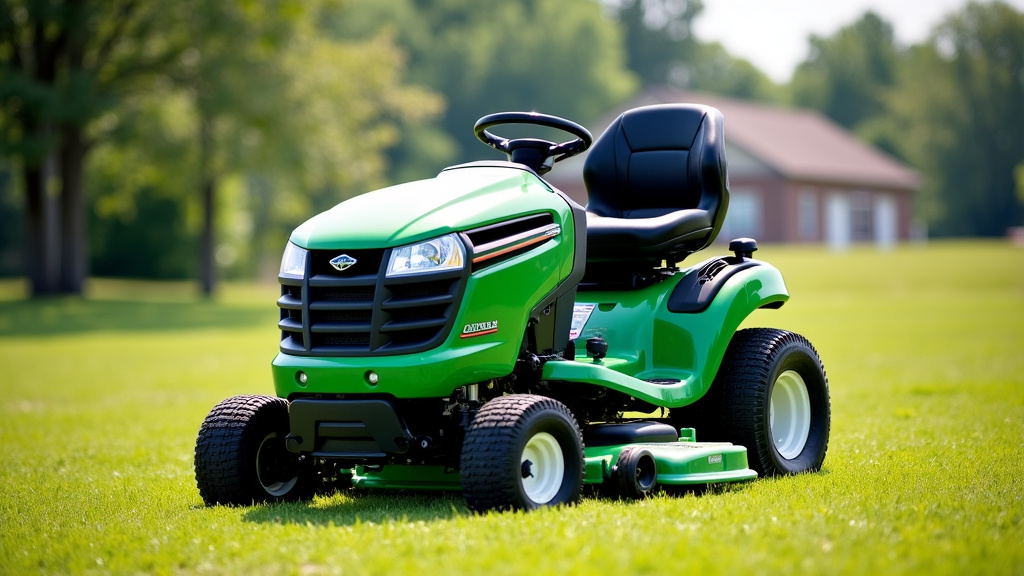
If you’ve checked the belts, brakes, and fuel system and your mower still won’t move, the problem might be deeper within the transmission. This is the component that actually makes your wheels turn.
Types of Transmissions and Their Issues
Riding mowers typically have either a manual (gear) transmission or a hydrostatic transmission. Each can develop its own set of problems.
Hydrostatic Transmission Glitches
Hydrostatic transmissions are very common in modern riding mowers. They use a fluid pump and motor system to provide smooth, variable speed. If the fluid level is low, the fluid is old and dirty, or there’s an internal leak, the transmission might not send power to the wheels.
What to Inspect:
- Fluid Level: Check your owner’s manual for the location of the transmission dipstick or fill port. Ensure the fluid is at the correct level when the mower is cool.
- Fluid Condition: Is the transmission fluid dark, burnt-smelling, or full of debris? This indicates internal wear and may require a flush and refill, or potentially a more serious repair.
We found that low or contaminated transmission fluid is a primary cause of hydrostatic transmission failure.
Manual Transmission Concerns
Manual transmissions are more like car transmissions. Problems could stem from linkage issues, worn gears, or a faulty clutch. If the clutch isn’t fully engaging, or if a gear is stripped, the mower won’t move.
Common Problems:
- Clutch Adjustment: The clutch might need adjustment to ensure it engages properly.
- Shift Linkage: Check that the linkage connecting your shift lever to the transmission is connected and not bent or damaged.
These issues often require a more in-depth mechanical understanding.
When to Call a Professional
If you’ve gone through these steps and your mower still isn’t moving, it might be time to consult a professional. Transmission repairs, especially on hydrostatic units, can be complex and costly. We recommend having a qualified mechanic take a look.
Quick Checklist: What to Do First
Don’t let a stubborn mower ruin your day. Before you get too worried, run through this quick checklist. We found these steps help diagnose most common issues quickly.
- Confirm the Parking Brake is fully disengaged.
- Check that you are properly seated and all safety switches appear engaged.
- Inspect the drive belt for damage, tension, and proper seating on pulleys.
- Verify the fuel cap vent is clear and the fuel cap is not overly tight.
- Check the fuel filter; if it looks dirty or you haven’t changed it recently, replace it.
- If your mower has a hydrostatic transmission, check the fluid level and condition.
Conclusion
It’s a real bummer when your riding mower refuses to roll, but as we’ve explored, many common culprits are within your reach to fix. You’ve learned to check the simple things first, like the parking brake and safety switches. We also covered essential drive system components like the belt and tensioner, as well as fuel system blockages such as clogged filters and vent issues. If those don’t solve it, you know to look at transmission fluid. Don’t let a non-moving mower win; tackle these checks systematically, and you’ll likely get back to mowing your lawn in no time. If you’re still stumped, don’t hesitate to call a professional.
Frequently Asked Questions
My riding mower starts but won’t move. What’s the most common cause?
When your mower starts but won’t move, the most common issues we found involve the drive system or fuel delivery. A loose or broken drive belt, a clogged fuel filter restricting engine power, or even an engaged parking brake are frequent offenders.
Could a safety switch really stop my mower from moving?
Yes, absolutely. Modern riding mowers have several safety interlock switches designed to prevent operation under unsafe conditions. If a seat switch, brake pedal switch, or blade engagement switch isn’t properly engaged or is faulty, it can prevent your mower from moving.
How often should I replace my riding mower’s fuel filter?
We researched manufacturer recommendations, and it’s generally advised to replace your riding mower’s fuel filter annually or after approximately 100 hours of use. If you’ve recently refueled with questionable gas, it might be a good idea to check or replace it sooner.
What’s the difference between a hydrostatic and manual transmission issue?
A hydrostatic transmission problem often relates to low or dirty fluid, while a manual transmission issue might involve clutch adjustment or linkage problems. Hydrostatic systems are more common in modern mowers and typically feel smoother.
If I can’t fix it myself, what’s the next step?
If you’ve gone through the basic checks and troubleshooting steps and your riding mower still won’t move, it’s likely time to seek professional help. Transmission repairs, especially on hydrostatic units, can be complex and may require specialized tools and knowledge.
