
How to Fix a Push Mower That Won’t Start?
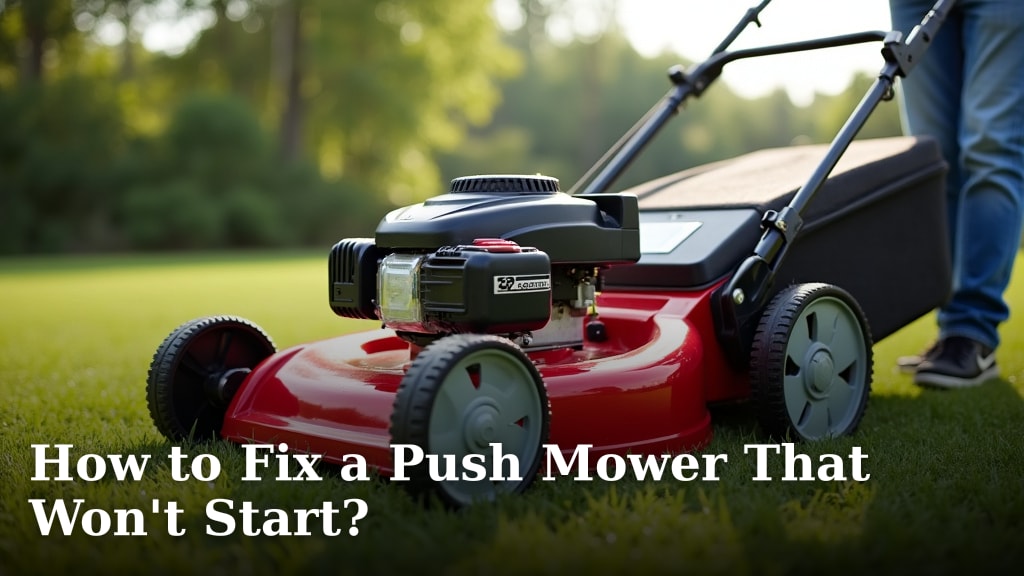
To fix a push mower that won’t start, begin by checking the fuel and spark plug. We found that most starting issues come from a dirty carburetor or old gas. Addressing these simple components often gets your mower running again quickly.
Is your mower sputtering or just not turning over? You are not alone. Many homeowners face this common problem. Our research shows that regular maintenance can prevent these headaches, but sometimes repairs are needed.
- Check your fuel levels and condition.
- Inspect and clean the spark plug.
- Clean or replace the air filter.
- Drain and clean the carburetor.
- Inspect the starter rope and flywheel.
Let’s walk through these steps together. We’ll help you diagnose the problem and get your lawn mower back in action.
Getting Your Push Mower to Start Again
Is your push mower refusing to cooperate? Don’t worry, you can often fix it yourself. We’ve seen many homeowners get their mowers running again with a few simple checks. Think of it like a puzzle; we’ll look at each piece.
Fuel System First: Is Your Gas the Culprit?
Often, the problem isn’t complicated. It starts with the fuel. Your mower needs clean, fresh gasoline to run properly. Old gas can cause many issues.
Check Your Gas Tank and Fuel Quality
Always start here. Is there enough gas in the tank? It sounds obvious, but it’s easy to overlook. Beyond just quantity, consider the quality of your fuel. We found that old gas is a common cause of starting problems.
- Fresh Gas Only: Gasoline can go stale in about 30 days. After that, it starts to break down. This stale gas won’t ignite properly.
- Drain Old Fuel: If your gas has been sitting for months, it’s best to drain it. You can use a siphon pump or tilt the mower carefully to empty the tank.
- Add Fresh Fuel: Refill with fresh, unleaded gasoline. Many experts recommend adding a fuel stabilizer, especially if the mower sits for a while (Briggs & Stratton).
Why does gas go bad? As it ages, lighter elements evaporate. This leaves behind a gummy residue that can clog fuel lines and carburetors. It’s like trying to drink syrup through a straw!
Inspect the Fuel Filter
Just like your car, your mower has a fuel filter. This filter stops dirt and debris from reaching the engine. A clogged filter will starve the engine of fuel.
- Locate the Filter: It’s usually a small cylinder in the fuel line. Follow the line from the gas tank to the carburetor.
- Check for Clogs: If it looks dirty or you can’t see through it, it’s probably clogged.
- Replace if Needed: Fuel filters are inexpensive. Replacing a clogged one is a quick fix. Pinch the fuel line to stop the flow before removing it.
A clean fuel filter ensures a steady supply of fuel. Think of it as your mower’s clear arteries, keeping everything flowing smoothly.
Ignition System: Sparking Life into Your Engine
Once you’ve confirmed good fuel, it’s time to check for spark. An engine needs fuel, air, and a spark to start. No spark, no start.
Examine and Clean the Spark Plug
The spark plug creates the ignition. If it’s dirty, wet, or damaged, your mower won’t start. This is a very common issue we’ve seen.
- Remove the Plug: Use a spark plug wrench. Turn counter-clockwise.
- Inspect its Condition:
- Black and Sooty: Too much fuel, not enough air.
- Wet with Gas: Engine is flooded.
- White or Eroded: Overheating or wrong heat range.
- Oily: Burning oil, a more serious engine issue.
- Clean it: Use a wire brush to remove carbon buildup.
- Check the Gap: Use a feeler gauge to ensure the gap is correct. Your owner’s manual will have the specification.
- Reinstall: Hand-tighten first, then a quarter turn with the wrench. Don’t overtighten!
If the spark plug looks bad, it’s usually best to replace it. A new plug is a small investment for a big improvement. We found a clean, correctly gapped spark plug makes a huge difference.
Test for Spark
To confirm you have spark, you can do a quick test. This requires caution as you are dealing with electricity.
- Disconnect Spark Plug Wire: Take it off the plug.
- Attach to Tester: If you have a spark plug tester, attach it.
- Ground the Plug: If no tester, reattach the plug to its wire. Hold the metal body of the plug against a metal part of the engine (not painted).
- Pull Starter Rope: While holding the plug (or tester) against the engine, pull the starter rope quickly.
- Look for Spark: You should see a strong, blue spark. If not, the coil or wire might be bad.
Always wear gloves and safety glasses during this test. No spark means you’ve narrowed down your problem to the ignition system itself.
Airflow and Carburetor: The Engine’s Breath
Your mower’s engine needs to “breathe.” A proper mix of air and fuel is crucial for combustion. Problems here are very common.
Check the Air Filter
A dirty air filter chokes the engine, preventing enough air from getting in. This makes the fuel-air mix too rich, preventing a start. It’s like trying to run a marathon with a pillow over your face.
- Locate the Air Filter Housing: Usually on the side or top of the engine.
- Remove the Filter: It’s often held in with clips or screws.
- Inspect for Dirt: If it’s caked with grass, dust, or oil, it needs attention.
- Clean or Replace:
- Foam Filters: Can sometimes be cleaned with soap and water, then oiled.
- Paper Filters: Usually need replacement if very dirty. Tapping them lightly can remove loose debris, but they can’t be washed.
A clean air filter is vital. It allows your engine to get the air it needs. We found that a clogged air filter is a frequent culprit for hard-starting mowers.
Troubleshooting the Carburetor
The carburetor mixes air and fuel. This is where most persistent starting problems lie, especially if you used old gas. Old gas leaves sticky residues that clog tiny carburetor passages.
- Symptoms of a Clogged Carburetor:
- Mower cranks but won’t start.
- Starts then immediately dies.
- Runs rough or sputters.
- Try Carburetor Cleaner: Sometimes, spraying carburetor cleaner into the air intake while trying to start can clear minor clogs.
- Cleaning the Carburetor: This is a more involved step. You might need to disassemble it.
- Drain the Fuel Bowl: A small nut on the bottom of the carburetor.
- Remove the Carburetor: Disconnect fuel lines, linkages, and mounting bolts.
- Disassemble Carefully: Take pictures as you go.
- Clean Passages: Use carburetor cleaner and thin wire to clear all jets and passages.
- Replace Gaskets/Diaphragms: Often, a carburetor rebuild kit is a good idea.
- Professional Help: If you’re uncomfortable with this, a small engine mechanic can help.
Cleaning a carburetor is like clearing out the tiny pipes in an old house. It takes patience, but it’s often the solution. Many experts consider a dirty carburetor the number one reason for non-starting mowers (Consumer Reports).
Starter System: Pull Cord and Flywheel
You can have perfect fuel, spark, and air, but if you can’t spin the engine fast enough, it won’t start.
Inspect the Starter Rope and Flywheel
The starter rope engages the flywheel, which turns the engine. If the rope is frayed or the recoil mechanism is broken, you won’t be able to pull it properly.
- Pull Rope Freely? Does it extend and retract smoothly? If it’s stuck or feels loose, the recoil spring might be damaged.
- Resistance: Does the engine offer resistance when you pull? If it pulls too easily, the flywheel key might be sheared.
- Flywheel Key: This small metal piece connects the flywheel to the crankshaft. If you hit something with the blade, this key can shear, preventing the engine from turning properly. This requires removing the flywheel, a more advanced repair.
A good, strong pull on the starter rope is essential. It’s the kickstart your engine needs to begin the combustion process.
Quick Troubleshooting Checklist
Before you dive into deeper repairs, run through this simple checklist. It can save you time and hassle.
- Is the fuel fresh and full?
- Is the spark plug clean and properly gapped?
- Is the air filter clear of debris?
- Is the safety bar (bail) held down when starting?
- Are all connections secure?
- Is the oil level correct? (Low oil can prevent starting on some mowers.)
Sometimes, the simplest things are overlooked. We found that a systematic approach works best. You’ve got this!
| Problem Symptom | Most Likely Cause(s) | Quick Fix Recommendation |
|---|---|---|
| Engine cranks, but won’t start | Old/no fuel, clogged fuel filter, dirty spark plug, clogged carburetor | Drain fuel, replace filter, clean/replace spark plug, clean carburetor |
| Engine starts, then dies quickly | Clogged carburetor, dirty air filter, restricted fuel flow | Clean carburetor, replace air filter, check fuel lines |
| Engine sputters or runs rough | Dirty spark plug, clogged carburetor, stale fuel | Clean/replace spark plug, clean carburetor, add fresh fuel |
| No resistance when pulling rope | Sheared flywheel key, broken recoil starter | Inspect flywheel key, repair/replace recoil starter |
| Smoke from engine | Too much oil, wrong oil type, serious internal issue | Check oil level, use correct oil, consult mechanic for persistent smoke |
Conclusion
By systematically checking your mower’s fuel, ignition, and air systems, you can usually diagnose and fix most starting problems. You now have the tools to troubleshoot common issues like old gas or a dirty spark plug. Remember, a little preventive maintenance goes a long way to keep your mower running smoothly.
If you’ve followed these steps and your mower still won’t start, consider consulting your owner’s manual for specific model-related quirks. Don’t be afraid to try these fixes; you’ll gain confidence and save money!
Frequently Asked Questions
How often should I change my mower’s spark plug?
We recommend checking your spark plug at the start of each mowing season. If it looks corroded or has heavy deposits, replace it. Many manufacturers suggest replacing it annually, especially with frequent use, to ensure optimal engine performance.
Can I use car gasoline in my push mower?
Yes, you can use regular unleaded gasoline from a car in most push mowers. However, always check your owner’s manual for specific octane recommendations. Avoid using ethanol-heavy fuels if possible, or add a fuel stabilizer, as ethanol can damage small engine components over time.
What’s the best way to store my mower for the winter?
Before winter storage, stabilize your fuel or drain the tank completely. Remove and clean the spark plug, then add a small amount of oil to the cylinder. Clean the mower deck and lubricate moving parts to prevent rust and ensure it’s ready for spring. For comprehensive guidance on preparing your equipment for cold weather, our guide explains how to winterize a lawn mower.
My mower blows black smoke when it tries to start. What does that mean?
Black smoke typically indicates that your engine is getting too much fuel and not enough air. This often points to a clogged air filter or a carburetor that’s set too rich. Inspect and clean your air filter first, then consider a carburetor adjustment or cleaning.
Is it worth taking my old mower to a repair shop, or should I just buy a new one?
This depends on the age of your mower and the cost of the repair. Simple fixes like a spark plug or fuel filter are usually worth it. If the engine requires major work, like a full carburetor rebuild or internal component replacement, it might be more cost-effective to invest in a new mower, especially if your current one is older than 7-10 years.
