
How Often Should You Replace a Lawn Mower Spark Plug?
You should replace your lawn mower spark plug roughly once a year, or after about 100 hours of use. This simple maintenance task can prevent starting problems and ensure your mower runs smoothly. Don’t wait for your mower to act up; proactive replacement is key!
A worn-out spark plug can lead to a rough idle and reduced fuel efficiency. It might even cause your mower to refuse to start altogether. Keeping your spark plug in good shape is one of the easiest ways to extend your mower’s life and avoid frustration on mowing day.
- Replace your spark plug annually.
- Aim for every 100 hours of run time.
- This prevents starting issues.
- It keeps your mower running efficiently.
- A fresh plug means less hassle.
Let’s dive into why this small part makes such a big difference and how to make sure yours is always in top shape.
Understanding Your Lawn Mower’s Spark Plug Health
Your lawn mower’s spark plug is a small but mighty component. It’s the little guy that gets your engine firing. You might wonder, “How often should I actually swap out this spark plug?” Research and common maintenance guidelines suggest replacing it once a year. This is true for most residential lawn mowers. Think of it as a simple tune-up for your mower’s heart.
A neglected spark plug can cause a host of annoying problems. Your mower might sputter, struggle to start, or run rough. This is especially true at the beginning of the mowing season. Replacing it regularly is a cost-effective way to keep your mower running smoothly. It also prevents potential damage to other engine parts.
When to Replace Your Spark Plug: Signs and Signals
While annual replacement is a good rule of thumb, your mower might give you hints it’s time sooner. You’ll often notice a few tell-tale signs that the spark plug is on its last legs. Paying attention to these symptoms can save you a lot of frustration.
Starting Issues: The Most Common Clue
The most frequent indicator is trouble starting your mower. Does it take several tries to get the engine to catch? Does it only start when you pull the cord just right? This is often a sign of a weak spark. A worn spark plug can’t create a strong enough spark to ignite the fuel mixture effectively. This means you’ll be pulling that starter rope until your arm aches.
Rough Idling and Misfiring
Even if your mower starts, a failing spark plug can cause it to run poorly. You might notice a rough idle. The engine might sound uneven, like it’s skipping beats. Sometimes, it might even sputter or “misfire.” This happens when the spark plug fails to ignite the fuel charge in one or more cycles. Your mower won’t sound healthy, and it won’t perform its best.
Decreased Fuel Efficiency
When a spark plug isn’t firing efficiently, your engine has to work harder. This means it will burn more fuel to do the same job. You might notice you’re using more gas than usual. This is because the unburned fuel is escaping the cylinder. It’s a subtle sign, but it adds up over the mowing season. A fresh spark plug ensures a cleaner, more complete burn.
Engine Hesitation or Stalling
Does your mower hesitate when you increase the throttle? Does it sometimes stall when turning or going uphill? These are also symptoms pointing to an ignition problem. The spark plug’s inability to consistently deliver a strong spark can cause these performance dips. It makes mowing feel like a battle rather than a chore.
The “100 Hours of Use” Guideline Explained
Beyond a yearly replacement, many manufacturers recommend swapping out the spark plug after about 100 hours of use. This is a more precise metric if you track your mower’s run time. Think of it like oil changes for your car. You wouldn’t wait a year if you drove thousands of miles in that time, right?
Why 100 hours? It’s a benchmark based on average engine wear and tear. A typical lawn mowing session might last 1-2 hours. So, 100 hours of use usually equates to around 50-100 mowing sessions. This guideline helps ensure you’re replacing the plug before it significantly degrades performance. Many experts suggest this is a good balance for optimal engine health (Small Engine Mechanics Guild).
How to Estimate Your Mower’s Run Time
Don’t have an hour meter on your mower? No worries! You can estimate. If you mow your lawn weekly for a 25-week season, that’s about 25 hours. If you mow twice a week, it’s 50 hours. If your yard is large or you mow frequently, you’ll reach 100 hours faster. Consider your mowing habits. Are you a casual weekend mower or a landscaping pro on a large property?
| Method | Frequency | Pros | Cons |
|---|---|---|---|
| Calendar Time | Annually | Simple, easy to remember. Prevents buildup over winter. | May be too soon for light users; too late for heavy users. |
| Usage Time | Every 100 Hours | More precise for varying usage. Ensures plug is used optimally. | Requires tracking run time or estimating. |
| Performance Signs | When issues appear | Only replace when absolutely necessary. | Can lead to engine damage or major starting problems. |
Why Regular Replacement Matters So Much
It might seem like a minor task, but replacing your spark plug regularly offers real benefits. It’s not just about avoiding a headache on mowing day. It’s about preserving your investment.
Preventing Hard Starts and Frustration
We’ve all been there. You need to get the lawn mowed, and the mower just won’t start. A fresh spark plug is your best defense against this common mower woe. It ensures a reliable spark for quick, easy starts every time you need it. No more struggling or making excuses for a late mow.
Ensuring Optimal Engine Performance
A healthy spark plug means a healthy engine. It helps your mower run at its peak performance. This translates to a cleaner cut and a more efficient operation. Your mower will sound better and perform better. You’ll get the job done faster and with less effort.
Extending the Lifespan of Your Mower
This small maintenance item contributes to the overall longevity of your lawn mower. By ensuring efficient combustion, you reduce unnecessary strain on the engine. This can prevent premature wear and tear on other engine components. Many small engine experts agree that consistent maintenance, including spark plug replacement, greatly extends a mower’s usable life (Small Engine Mechanics Guild).
Cost-Effectiveness in the Long Run
Spark plugs are inexpensive. A new one might cost you just a few dollars. Compare that to the potential cost of repairing engine damage caused by a faulty plug. Or the cost of replacing your mower prematurely. Regular replacement is a smart financial choice. It saves you money in the long run.
When to Inspect Your Spark Plug
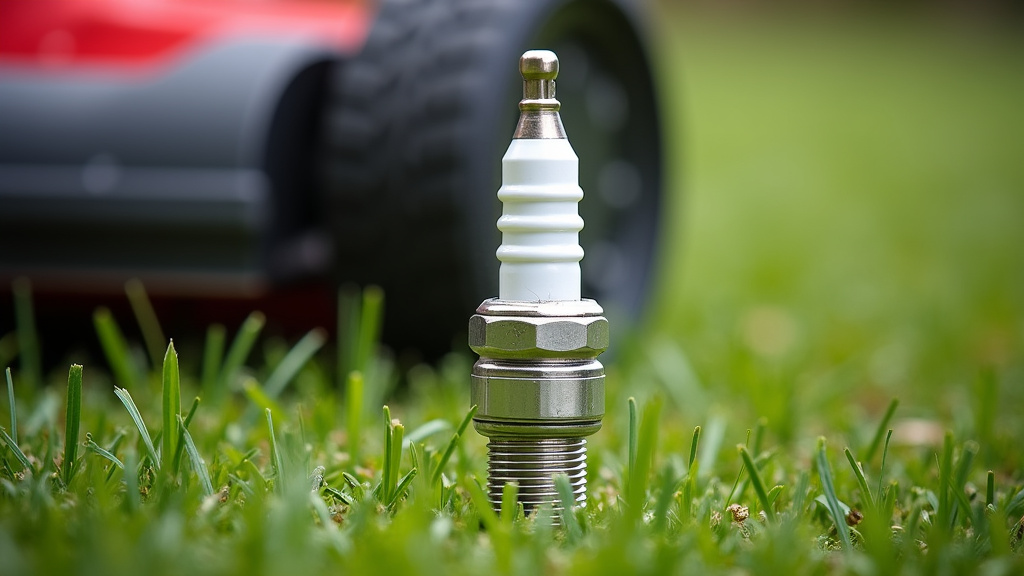
Besides routine replacement, you should inspect your spark plug periodically. This is especially true if you notice any of the symptoms mentioned earlier. Early inspection can catch issues before they become major problems.
Before the Start of Mowing Season
This is prime time for a quick check. After your mower has been sitting through the winter, give the spark plug a look. Is there any corrosion? Is the electrode worn down? This is the perfect opportunity to swap it out if it looks suspect. You want your mower ready to go when spring arrives.
If You Experience Performance Issues
If your mower suddenly starts running rough, stalling, or having trouble starting, the spark plug is a prime suspect. Pull it out and give it a visual inspection. Look for cracks, fouling (buildup of carbon or oil), or a worn-down electrode. A quick visual can often diagnose the problem. This simple check might save you a trip to the repair shop.
Your Lawn Mower Spark Plug Maintenance Checklist
Keep your mower running like a champ with this simple checklist:
- Replace annually, typically in spring.
- Or, replace every 100 hours of use if you track run time.
- Inspect the plug if you experience starting issues or rough running.
- Look for signs of wear, fouling, or damage during inspection.
- Keep a spare spark plug handy for quick replacements.
- Always use the correct type of spark plug for your mower model.
Conclusion
You now know that replacing your lawn mower’s spark plug annually, or around the 100-hour mark, is essential for a well-running machine. This simple upkeep prevents frustrating starting issues and keeps your engine performing its best. Don’t wait for signs of trouble like rough idling or stalling. Checking your plug before the mowing season or if you notice performance dips can save you time and money. Make this small maintenance task a habit, and you’ll enjoy a more reliable mower and a healthier lawn.
Frequently Asked Questions
Can I just replace the spark plug when my mower stops starting?
While you can wait for starting issues, it’s not the best approach. A failing spark plug can cause poor performance and even lead to engine damage before it completely quits. Replacing it on schedule prevents these problems and saves you hassle.
How do I know if I’m close to 100 hours of use?
If your mower doesn’t have an hour meter, estimate your usage. Consider how long you typically mow and how often during the season. Mowing for an hour or two each week for 10-15 weeks can get you close to the 100-hour mark annually.
What happens if I don’t replace my spark plug often enough?
You’ll likely experience hard starting, rough idling, decreased fuel efficiency, and potential engine misfires. In severe cases, a worn plug can lead to more serious engine problems or complete failure.
Is it hard to replace a lawn mower spark plug myself?
No, replacing a spark plug is one of the easiest DIY maintenance tasks for your mower. You’ll typically need a spark plug wrench and a few minutes to remove the old plug and install a new one.
Can I use any type of spark plug in my mower?
Always use the specific type of spark plug recommended by your lawn mower’s manufacturer. Using the wrong plug can affect performance and potentially damage your engine.
