
How To Service Lawn Mower?
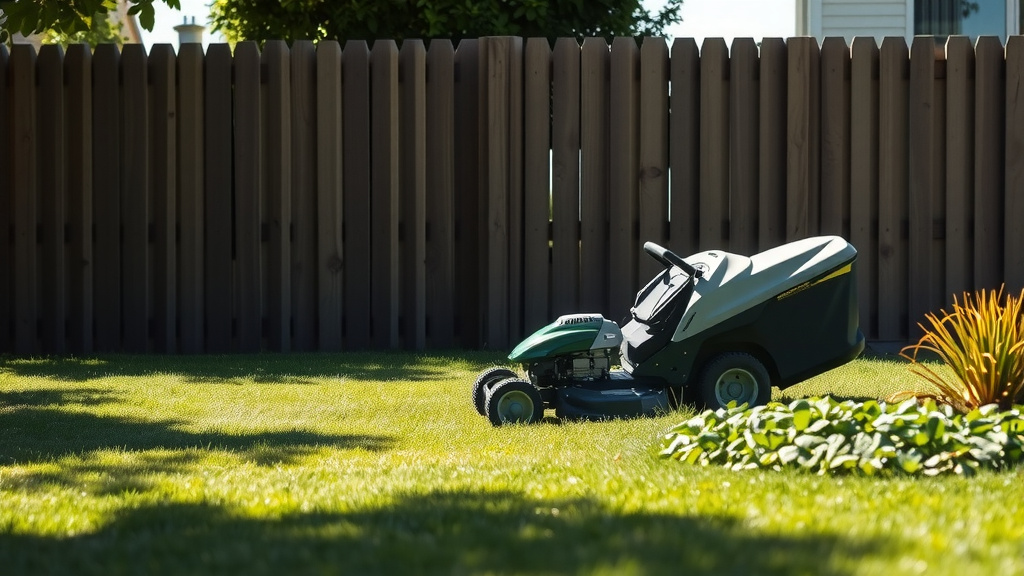
To service your lawn mower, begin by ensuring safety: disconnect the spark plug wire and drain the fuel tank. Then, proceed with essential tasks like changing the oil, replacing the spark plug, cleaning or replacing the air filter, and sharpening the blade.
Regular lawn mower servicing involves cleaning the deck, checking fuel lines, lubricating moving parts, and inspecting wheels, which keeps your machine running efficiently and extends its lifespan.
Here’s a quick overview of what you’ll find in this guide:
- Discover the essential steps to keep your lawn mower running smoothly all season long.
- Learn which tools you’ll need for a hassle-free service experience.
- Understand why routine maintenance saves you money and headaches in the long run.
- Get clear, practical advice on common service tasks, from oil changes to blade sharpening.
- Find out when it’s best to call in a professional for trickier issues.
How To Service Lawn Mower?
Servicing your lawn mower involves a series of maintenance tasks designed to keep it performing at its best. It’s about proactive care, like a regular check-up for your car, ensuring every component functions correctly.
Why Regular Mower Service Matters
Imagine your lawn mower as a diligent workhorse, tirelessly cutting grass week after week. Just like any hardworking machine, it needs some TLC to stay strong. Many experts say that consistent servicing helps prevent breakdowns when you need your mower most (Consumer Reports).
You’ll notice the difference in how cleanly it cuts, how easily it starts, and how much longer it lasts. Skipping service can lead to rough cuts, engine strain, and unexpected repair bills. Think of it as an investment in your lawn’s beauty and your wallet’s health.
Tools You’ll Need for Lawn Mower Service
Before you get started, gather your tools. You’ll want to have everything on hand to make the job smooth and efficient. We found that having the right tools makes a big difference in confidence when tackling these tasks.
- Socket wrench set
- Spark plug wrench
- Air compressor or brush
- Blade wrench or socket
- Torque wrench (for blade)
- Oil drain pan
- Funnel
- Fuel stabilizer
- Gloves and safety glasses
- Wire brush or scraper
Safety First: Before You Begin
Your safety is paramount. Before touching anything on your mower, always disconnect the spark plug wire. This prevents accidental starting, which could lead to serious injury. Many guidelines point to this as the absolute first step (OSHA).
Also, if you’re working on the underside of the mower, make sure the fuel tank is empty or at least very low. If you tip the mower, fuel can spill, creating a fire hazard. Think of it like taking a deep breath before diving into a pool – preparation is key.
Changing the Engine Oil
Your mower’s engine oil is its lifeblood. Over time, oil breaks down and gets dirty, losing its lubricating properties. We found that fresh oil helps the engine run cooler and reduces wear on internal parts.
First, run the mower for a few minutes to warm the oil, which makes it drain easier. Then, disconnect the spark plug, place an oil drain pan beneath the drain plug, and remove the plug. Let all the old oil flow out, then replace the plug and refill with new, clean oil to the correct level.
Inspecting and Replacing the Spark Plug
The spark plug provides the ignition for your engine. A dirty or worn plug can cause starting problems and poor engine performance. We found that a healthy spark plug makes a huge difference in how reliably your mower starts.
Carefully remove the spark plug using a spark plug wrench. Inspect the tip for deposits or damage. If it’s heavily fouled or the electrode looks worn, it’s time for a replacement. Make sure the new plug is gapped correctly for your specific mower model before installing it.
Cleaning or Replacing the Air Filter
Your engine needs clean air to run efficiently, just like you need clean air to breathe. The air filter keeps dust and debris out of the engine. A clogged filter restricts airflow, making your engine work harder and consume more fuel.
Remove the air filter cover and take out the filter. Paper filters usually need to be replaced if they’re very dirty. Foam filters can sometimes be washed with soapy water, dried, and then lightly oiled. Always check your mower’s manual for the correct procedure.
Sharpening or Replacing the Blade
A sharp blade is crucial for a clean, healthy cut. A dull blade tears the grass, leaving ragged edges that can make your lawn more susceptible to disease. Think of it like trying to cut steak with a butter knife – not ideal.
Carefully remove the blade, wearing thick gloves. You can sharpen it with a file or grinder, ensuring it remains balanced afterwards. If the blade is bent, severely nicked, or too worn, replace it entirely. Always torque the blade bolt to the manufacturer’s specifications upon reinstallation.
Checking the Fuel System
The fuel system delivers gasoline to the engine. It’s important to check for issues here to ensure smooth operation. We found that many starting problems are often related to old fuel or a clogged fuel filter.
Inspect the fuel lines for cracks or leaks. If your mower has a fuel filter, consider replacing it annually. It’s a small part, but it prevents dirt and debris from reaching the carburetor. Always use fresh fuel, and consider a fuel stabilizer if your mower sits for long periods.
Cleaning the Mower Deck
Underneath your mower deck, grass clippings can accumulate, reducing airflow and affecting cutting performance. This buildup also traps moisture, which can lead to rust.
Tilt the mower (after disconnecting the spark plug!) and scrape away any caked-on grass and debris. A sturdy wire brush or a plastic scraper works well. This simple step helps your mower cut more effectively and reduces the risk of rust.
Inspecting Wheels and Belts
Your mower’s mobility relies on its wheels and, for some models, drive belts. Over time, these parts can wear down, impacting how smoothly your mower operates.
Check the wheel bearings for any looseness or excessive play. Ensure the tires have good tread if they are pneumatic. If your mower is self-propelled, inspect the drive belts for cracks or fraying. Proper belt tension ensures efficient power transfer.
Lubricating Moving Parts
Just like a well-oiled machine, your mower has various pivot points and cables that benefit from lubrication. This helps reduce friction and keeps things operating smoothly and quietly.
Apply a few drops of general-purpose oil to throttle cables, wheel height adjustment levers, and any other pivot points. This simple step can prevent stiff controls and squeaky operation. It’s a bit like giving your mower a refreshing drink!
When to Call a Professional
While many service tasks are DIY-friendly, some issues are best left to the experts. If you encounter complex engine problems, carburetor issues, or significant electrical faults, don’t hesitate to seek professional help. Many experts say that attempting advanced repairs without the right knowledge can cause more damage.
A professional technician has specialized tools and diagnostic equipment to tackle tricky problems safely and effectively. Knowing when to call in the cavalry can save you time, frustration, and potentially costly mistakes.
Seasonal Maintenance Checklist
Here’s a quick checklist to help you stay on top of your mower’s health:
- Change engine oil regularly (every 25 hours or annually).
- Replace spark plug at least once a season.
- Clean/replace air filter every few cuts or as needed.
- Sharpen blade frequently for a clean cut.
- Check fuel filter and lines before each season.
- Clean under deck after every few uses.
- Inspect wheels and belts periodically.
- Lubricate moving parts as needed.
Common Mower Problems & Quick Fixes
Sometimes, your mower might throw a curveball. Here’s a quick look at common issues and potential solutions:
| Problem | Possible Cause | Quick Fix |
|---|---|---|
| Mower won’t start | Old fuel, dirty spark plug, clogged air filter | Drain old fuel, replace spark plug, clean/replace air filter |
| Engine runs rough | Dirty carburetor, clogged fuel filter | Clean carburetor, replace fuel filter |
| Uneven cut | Dull blade, unbalanced blade, bent blade | Sharpen or replace blade, balance blade |
| Excessive smoke | Too much oil, wrong oil type, engine problem | Check oil level, use correct oil, consult professional if persistent |
The Cost of Skipping Service
It’s tempting to put off mower maintenance, especially when life gets busy. However, delaying service can lead to significant problems down the road. We found that neglecting simple tasks often results in more expensive repairs later on.
Things like a worn-out engine due to old oil, or a damaged crankshaft from a poorly balanced blade, can turn a minor fix into a major overhaul. Think of it as ignoring a small leak in your roof; eventually, you’ll have a much bigger, wetter problem. Investing a little time now saves a lot of money later.
Conclusion
Servicing your lawn mower might seem like a chore, but it’s truly an investment in your equipment and your lawn. By following these practical steps, you’re not just fixing problems; you’re preventing them and extending the life of your machine. You’ll enjoy a healthier lawn, a more reliable mower, and fewer headaches during mowing season. Keep your mower happy, and it will keep your lawn looking fantastic!
How often should I service my lawn mower?
Many experts recommend servicing your lawn mower at least once a year, typically before the start of the mowing season. If you use your mower frequently or have a very large lawn, you might consider more frequent checks, especially for oil and air filters, possibly every 25 hours of use.
Can I use car engine oil in my lawn mower?
It’s generally not recommended to use car engine oil in your lawn mower. Lawn mower engines often require specific types of oil, such as SAE 30 or multi-viscosity oils like 10W-30, designed for air-cooled engines. Always check your mower’s owner’s manual for the precise oil specifications to ensure optimal performance and engine protection.
What are the signs that my lawn mower blade needs sharpening?
You’ll know your lawn mower blade needs sharpening if your grass looks torn, shredded, or has ragged brown tips after mowing, instead of a clean, even cut. If you notice your mower struggling more than usual to cut through grass, that’s another strong indicator it’s time for a blade refresh.
Is it better to drain the fuel or use a stabilizer for winter storage?
Many experts advise either completely draining the fuel tank and running the engine until it stops, or using a high-quality fuel stabilizer before storage. Draining prevents stale fuel from gumming up the carburetor, while stabilizer keeps the fuel fresh for several months. Choose the method that feels most comfortable and practical for you.
How do I know if my spark plug is bad?
A bad spark plug can cause several issues. You might notice your mower is difficult to start, misfires, runs rough, or lacks power. When you remove the spark plug, look for heavy carbon buildup, a broken porcelain insulator, or extremely worn electrodes. Any of these signs suggest it’s time for a new one.
