
How To Build A Racing Lawn Mower From Scratch?
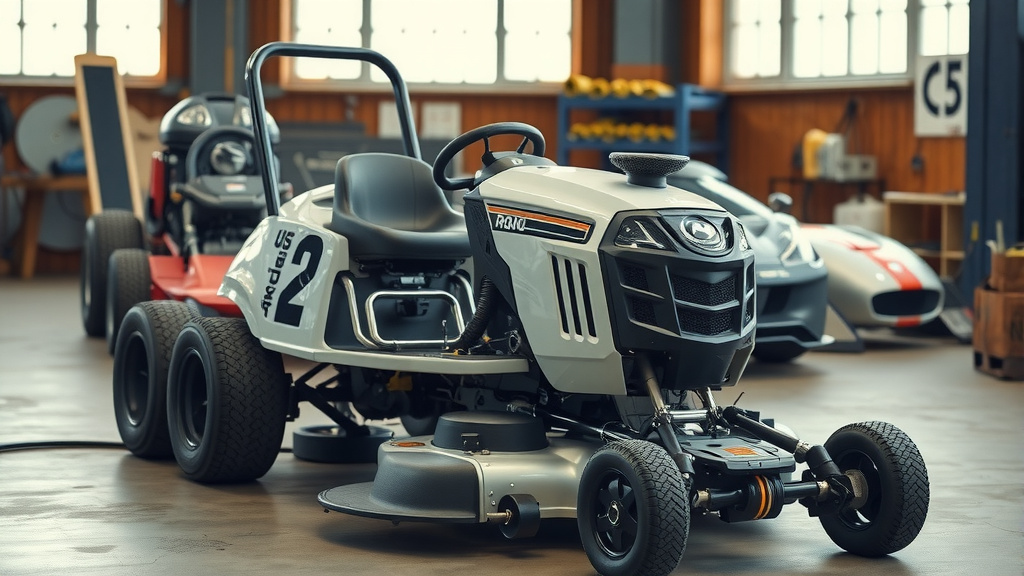
Building a racing lawn mower from scratch involves stripping down a standard mower, reinforcing the chassis, upgrading the engine for more power, and installing enhanced steering and braking systems.
You’ll focus on boosting horsepower, improving handling, and ensuring safety measures are in place for competition, transforming a garden tool into a high-speed machine.
Want the quick rundown on building your speed demon? Here’s the gist:
- Strip and prep your donor mower chassis for its new life.
- Upgrade to a powerful engine, ensuring it’s safely installed.
- Reinforce the frame and suspension for high-speed demands.
- Install precise steering and reliable braking for control.
- Prioritize safety features throughout every step of your build.
How To Build A Racing Lawn Mower From Scratch?
Building a racing lawn mower from scratch is a rewarding project. It combines mechanical skill with a need for speed. You transform a humble grass-cutter into a powerful track machine.
This guide walks you through each step. It helps you create a formidable competitor while keeping safety and performance balanced.
Understanding Your Racing Vision
Before you grab a wrench, ask yourself: what kind of racing? Grass karting, dirt track racing, or backyard fun? Your vision shapes every design decision you make.
Many experts say understanding your end goal saves time. It helps you pick the right donor mower and components from the start (American Racing Mower Association).
The Foundation: Stripping Your Donor Mower
Your journey begins with a suitable donor riding mower. Look for a sturdy frame. We found that older models often have simpler mechanics and stronger frames, making them ideal.
Remove everything unnecessary: the mower deck, blades, original engine, and seat. You need a bare chassis. It’s a blank canvas for your race machine.
Chassis Reinforcement: Making it Robust
A racing mower puts immense stress on its frame. You’ll need to reinforce it. Many builders weld in additional crossmembers and gussets. This creates a stiffer and safer platform.
Research suggests paying close attention to engine mounting points. These spots take the most impact (Race Mower Tech Guides).
Frame Strengthening Tips
Consider using square tubing to reinforce existing frame rails. A common technique involves creating a subframe for the engine mount. This helps distribute engine torque evenly.
Always use proper welding techniques. A strong frame is your best defense against accidents.
Powering Up: Engine Selection and Modification
The engine is the heart of your racing mower. Most racers opt for powerful single-cylinder units. Honda GX series or Predator 420cc engines are popular for reliability and modification potential.
Your engine choice determines top speed and acceleration. Many enthusiasts start with engines around 10-15 horsepower, upgrading later.
Engine Upgrades: Boosting Performance
Stock engines aren’t built for racing. You’ll want modifications like new carburetors, performance exhausts, and cam upgrades. Simple air filter and jet changes offer immediate power gains.
Remember, more power often means more heat and stress. Plan for adequate cooling and lubrication.
Comparing Engine Upgrade Options
Here’s a look at common engine upgrades and their impact:
| Upgrade Type | Benefit | Considerations |
|---|---|---|
| Performance Carburetor | Increased fuel flow, more power | Requires tuning, fuel efficiency drops |
| High-Flow Exhaust | Better exhaust scavenging, power | Louder, check noise regulations |
| Camshaft Upgrade | Optimized valve timing, higher RPMs | Complex install, affects low-end torque |
| Governator Removal | Unrestricted RPMs, maximum speed | Risk of engine damage, requires strengthened parts |
Control and Safety: Steering, Brakes, and Suspension
Speed is meaningless without control. Upgrading your steering, braking, and suspension is extremely important for safety and performance. Do not overlook these components.
Think of your racing lawn mower like a custom-built race car. Every component must work together to keep you on track.
Enhanced Steering Mechanisms
The original steering system is often too slow and imprecise. You’ll want a faster ratio and a more direct linkage. Many builders adapt go-kart steering racks. This provides quicker, more responsive handling.
Ensure all steering components are heavy-duty. Loose steering at high speeds is a recipe for disaster.
Braking System Overhaul
Your stock brakes? Forget them. You need reliable stopping power. Disc brakes are the standard for racing lawn mowers. Install hydraulic disc brakes for consistent, strong braking ability (Motor Sports Safety Foundation).
Double-check brake lines for leaks. A solid braking system builds driver confidence.
Suspension and Tires: Grip and Comfort
Some racers prefer a rigid chassis for stability. Others add basic suspension for comfort and better grip. What’s right for you? It depends on your racing surface.
Racing tires, often from go-karts, offer far superior grip. Matching tire type to track conditions is a pro move.
Crucial Safety Features: Protecting Yourself
Safety is not an option; it’s a requirement. Racing lawn mowers can be dangerous if not built correctly. Always prioritize your well-being.
Many racing organizations have strict safety guidelines. Building to these standards from day one is wise.
Essential Safety Checklist:
- Kill Switch: An easily accessible switch to cut engine power instantly.
- Bumper/Nerf Bars: Protects you from impacts and prevents wheel entanglement.
- Roll Cage: Provides protection in case of a rollover. Often required by leagues.
- Seatbelt: A secure 4 or 5-point harness to keep you firmly in place.
- Firewall: Separates the engine compartment from the driver to prevent fire spread.
- Personal Protective Gear: Helmet, racing suit, gloves, and neck brace are non-negotiable.
Final Touches: Ergonomics and Aesthetics
Once the mechanical bits are sorted, focus on driver comfort. A comfortable seat and well-positioned controls reduce fatigue. This allows you to focus on the race.
Painting your mower and adding decals makes it truly yours. But remember, speed and safety always come before looks.
Testing and Tuning: The Proof is in the Paddock
Never take your racing mower straight to the track without thorough testing. Start with low-speed runs in a safe, open area. Check for any loose bolts, strange noises, or steering issues.
Gradually increase speed. Testing braking and turning at different limits. Tuning the carburetor and adjusting tire pressure can significantly impact performance.
Conclusion
Building a racing lawn mower from scratch is a fantastic project. It blends mechanical skill with the excitement of speed. From reinforcing the chassis to fine-tuning the engine, each step brings you closer to your goal. Remember to take your time, prioritize safety, and enjoy the process of turning a humble machine into a track champion. Will your custom build be the fastest on the grass?
Frequently Asked Questions
What is the typical budget for building a racing lawn mower?
The budget varies widely. Expect to spend $1,000 to $5,000 or more. This includes the donor mower, engine upgrades, and safety components. Many builders find strategic sourcing of used parts helps manage costs.
Are there legal restrictions on racing lawn mowers on public roads?
Yes, racing lawn mowers are generally not street legal. They should never be operated on public roads. They lack necessary safety features and registration. Always transport your mower to designated private tracks.
Can I use an electric motor for a racing lawn mower?
Absolutely! Electric racing lawn mowers are a growing trend. They offer instant torque and quieter operation. However, battery weight and heat management become key considerations. We found that electric builds require focus on battery capacity and motor controllers (Electric Racing Mower Forum).
What are the most common mistakes beginners make when building one?
Beginners often underestimate chassis reinforcement or neglect braking system upgrades. Another mistake is attempting too many engine modifications without understanding their impact on reliability. Balancing power with durability is key for longevity.
Where can I find racing lawn mower communities or events?
You can find racing lawn mower communities through local motorsports clubs and online forums. National organizations like the US Lawn Mower Racing Association also exist. These groups offer knowledge, support, and opportunities to race your custom build.
