
How To Dispose Of A Lawn Mower Near Me?
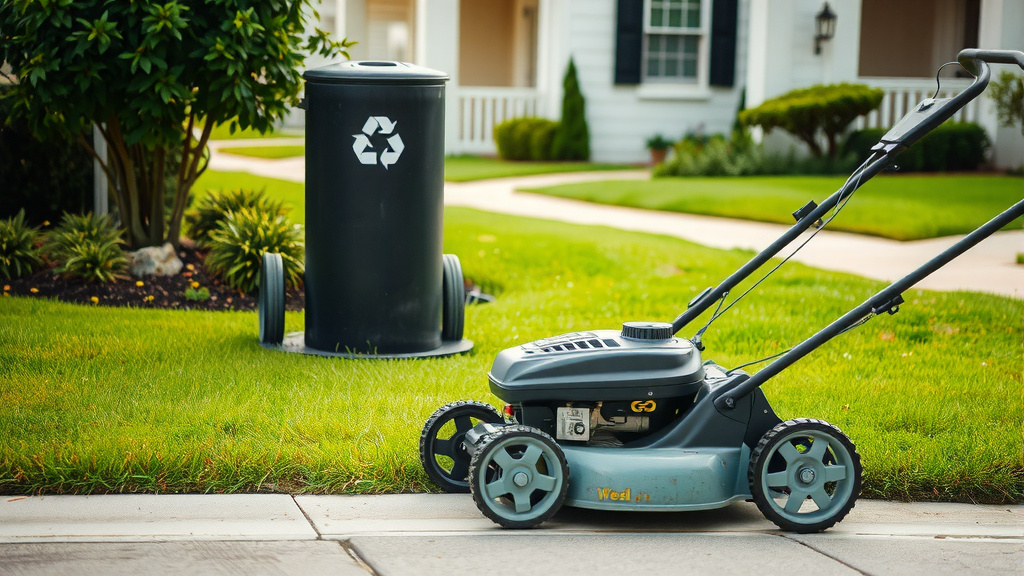
To dispose of a lawn mower near you, first drain all fuel and oil for safety and environmental protection. Then, contact your local recycling center, scrap metal yard, or municipal waste services to inquire about their specific drop-off procedures or special collection events.
Many communities offer dedicated services for handling old equipment like lawn mowers, ensuring they are recycled responsibly and hazardous materials are managed properly.
- First, drain all fuel and oil from your lawn mower completely.
- Contact your local recycling or waste management facility.
- Consider donating working mowers to charities or local organizations.
- Scrap metal yards often accept old mowers for their metal components.
- Some retailers offer trade-in programs when you buy a new mower.
How To Dispose Of A Lawn Mower Near Me?
Figuring out what to do with an old lawn mower can be a puzzle, right? You want to get rid of it responsibly. Thankfully, there are several straightforward options nearby for proper disposal.
Prepare Your Mower for Disposal First
Before moving your old mower, a vital step is to make it safe. You need to drain all liquids. This means removing every drop of gasoline and engine oil. Leaving fuel in can pose a fire hazard (Consumer Product Safety Commission).
Emptying these fluids also prevents environmental contamination. Many local waste facilities won’t accept mowers with fuel or oil inside. This preparation makes the disposal process much smoother for everyone involved.
Recycle Your Old Lawn Mower
Recycling is often the best choice for environmental reasons. We found that most communities have a local recycling center that accepts old lawn equipment. These centers know how to separate materials like metal and plastic.
Check their website or call them directly. Some centers might have specific drop-off days or require appointments. They help ensure your old mower doesn’t simply become landfill waste.
Contact a Local Scrap Metal Yard
If your mower is primarily metal, a scrap metal yard could be a good option. They specialize in salvaging materials like aluminum and steel. Many yards even pay a small amount for scrap metal.
Call ahead to confirm they accept lawn mowers. They usually require all fluids to be drained beforehand. This method helps reduce waste and gives the metal a second life.
Consider Donating a Working Mower
Is your old mower still functional, perhaps just needs a minor fix? Don’t toss it! We found that many charitable organizations or community gardens accept working equipment. They often have volunteers who can make small repairs.
This kind gesture helps others and prevents a perfectly usable item from ending up in a landfill. Just make sure it’s in decent, repairable condition before offering it.
Explore Retailer Trade-In Programs
Are you planning to buy a new lawn mower soon? You might be in luck. Some power equipment retailers offer trade-in incentives. This means they take your old mower when you purchase a new one.
This can be incredibly convenient, saving you a trip to a disposal facility. Ask about these programs at your local hardware store or lawn equipment dealer. It’s worth checking before you buy.
Curbside Collection Programs
Your city or county might offer special curbside pickup services. These are typically for large or bulky items, which can include old lawn mowers. Rules vary greatly by location.
Many local authorities suggest checking their sanitation department’s website. You might need to schedule a pickup in advance. Be sure to confirm any preparation requirements, like fluid removal.
Hazardous Waste Collection Events
Remember that drained fuel and oil? You can’t just pour them down the drain. Many communities hold household hazardous waste collection events. These events are perfect for safely disposing of leftover fluids.
These events ensure proper handling and prevent environmental harm. Check your local waste management calendar for dates and locations. It’s a vital step for responsible disposal.
Selling Your Old Lawn Mower
If your mower still runs well, why not try selling it? Online marketplaces or local classifieds are good places to start. You could earn a bit of cash while helping someone else.
Be honest about its condition and any quirks it might have. A working mower, even an older one, often finds a new home. This keeps it out of the waste stream longer.
Dismantle for Parts or Smaller Disposal
For the handy individual, dismantling an old mower is an option. You can separate the metal from plastic components. Some parts, like the engine, might even be salvageable for repairs.
Once broken down, individual parts can be easier to dispose of. Metal pieces go to scrap yards, plastics to appropriate recycling. This method requires tools and some know-how.
Comparing Disposal Methods
Choosing the best way depends on your mower’s condition and local resources. Here’s a quick comparison:
| Method | Mower Condition | Effort Level | Potential Benefit |
|---|---|---|---|
| Recycling Center | Any (fluids drained) | Medium (drop-off) | Environmental friendly |
| Scrap Metal Yard | Mostly metal (fluids drained) | Medium (drop-off) | Small payment possible |
| Donation | Working or easily repairable | Low (local drop-off/pickup) | Helps community/charity |
| Trade-In Program | Any (check retailer rules) | Very Low (convenient) | Discount on new mower |
| Curbside Pickup | Any (check local rules) | Low (schedule pickup) | Very convenient |
Your Disposal Checklist
Ready to get rid of that old mower? Here’s a quick guide to make sure you’ve covered all bases:
- Drain all fuel and oil completely.
- Locate your local options (recycling, scrap, charity).
- Call ahead to confirm acceptance and requirements.
- If donating or selling, clean the mower for a better presentation.
- Consider any transportation needs for your mower.
- Dispose of the drained fluids at a hazardous waste event.
Conclusion
Disposing of an old lawn mower doesn’t have to be a chore. With a little planning and research, you can choose an option that is both convenient for you and responsible for the environment. Remember the golden rule: always drain the fluids first. Whether you recycle, scrap, donate, or trade it in, you’re making a choice that benefits your community and the planet. Taking these steps ensures your old mower leaves behind a positive impact, not a problem.
How do I drain gasoline from my old lawn mower before disposal?
To drain gasoline, find the fuel line connected to the carburetor or the fuel tank cap. You can siphon the fuel out with a pump, or carefully disconnect the fuel line to let it drain into an approved container. Always work in a well-ventilated area, use appropriate safety gear, and ensure there are no open flames nearby.
Can I just leave my old lawn mower on the curb for regular trash pickup?
Generally, no. Most regular trash services do not accept large appliances or items containing hazardous fluids like gasoline or oil. Always check with your local waste management department for specific guidelines on bulky item pickup or special collection days before placing it at the curb.
What if my lawn mower is electric or battery-powered? Are the disposal rules different?
Yes, disposal rules for electric or battery-powered mowers differ. Electric mowers can often be recycled at e-waste facilities, while lithium-ion batteries require special handling due to their potential fire risk. Never put these batteries in regular household trash. Many retail stores that sell batteries also offer recycling services for them (Call2Recycle).
Is it possible to get paid for recycling an old lawn mower?
Yes, it’s possible! If your lawn mower is mostly metal and you take it to a scrap metal yard, they might offer you a small payment based on the current market value of scrap metal. The amount will depend on the weight and type of metal. Always call the scrap yard beforehand to confirm their policies and current rates.
What should I do with the drained oil from my lawn mower engine?
The drained engine oil should never be poured down a drain or thrown in the trash. It must be recycled properly. Collect it in a sealed, labeled container and take it to a local auto parts store, a hazardous waste collection event, or a designated oil recycling center. Many communities have specific drop-off points for used motor oil.
