
How To Glue Lawn Mower Seat Back On?
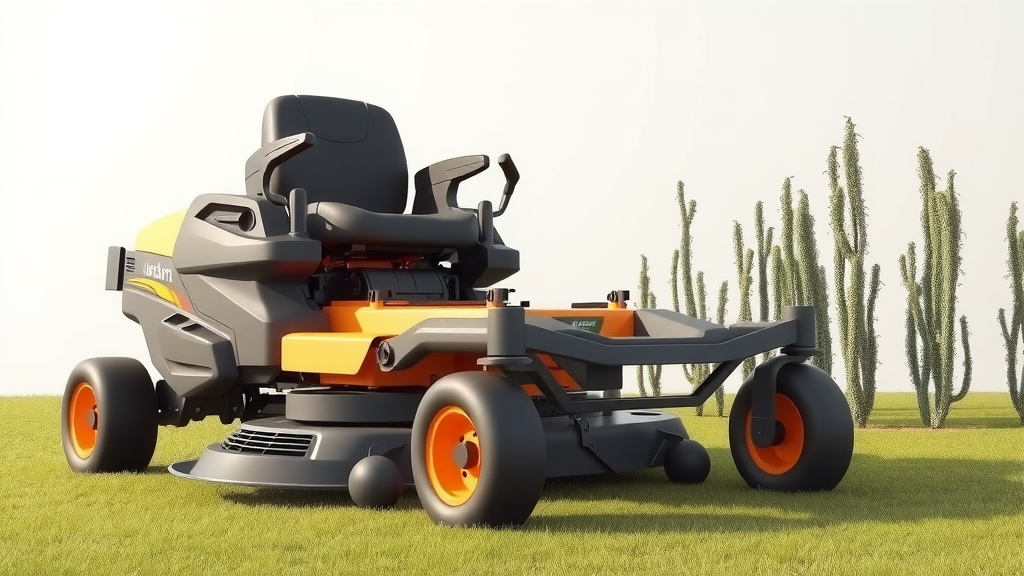
To glue your lawn mower seat back on, clean both surfaces thoroughly, apply a strong adhesive like marine-grade epoxy or heavy-duty construction adhesive, and clamp the seat firmly until the glue fully cures.
Ensure the bonding surfaces are dry and free from grease or old adhesive residue for the best, lasting adhesion when reattaching your lawn mower seat.
- Properly re-gluing your lawn mower seat requires the right adhesive and careful preparation.
- Clean both the seat and frame thoroughly to remove old glue and dirt.
- Use a strong, flexible, and weather-resistant adhesive designed for outdoor use.
- Apply the glue evenly, then clamp the seat firmly for the recommended curing time.
- A well-executed repair can extend your seat’s life and improve ride comfort.
How To Glue Lawn Mower Seat Back On?
Re-gluing your lawn mower seat involves selecting the correct adhesive and following a clear, step-by-step process for a durable repair.
Why Does Your Lawn Mower Seat Come Loose?
Ever wonder why your lawn mower seat starts wiggling or peels away? It’s a common issue, and understanding why can help you fix it right.
Age and Weathering
Over time, constant exposure to sun, rain, and temperature changes really takes a toll. The original adhesives or bonding agents can simply dry out and lose their grip. Think of it like old tape; it just doesn’t stick anymore (Research often connects material degradation with environmental exposure).
Vibration and Stress
Lawn mowers are powerful machines, and they vibrate a lot. This constant jiggling puts immense stress on the seat’s connection points. Every bump and turn works to loosen the bond, making separation almost inevitable eventually.
Is Gluing Always the Best Option?
Before grabbing the glue, let’s consider if it’s truly the best fix for your specific seat problem. Sometimes, a different approach is wiser.
When to Consider Replacement
Gluing is great for minor separations, but if your seat is badly cracked, torn, or the internal padding is shot, glue won’t magically fix it. We found that if the structural integrity is compromised, a full seat replacement is often a better long-term solution (Many experts suggest evaluating overall condition before repair).
Choosing the Right Adhesive for Your Seat
Picking the correct glue is like choosing the right tool for a job; it makes all the difference. You need something tough, flexible, and ready for the outdoors.
Understanding Adhesive Types
Not all glues are created equal, especially for something that takes a beating like a mower seat. You want an adhesive that can handle temperature swings and moisture.
- Marine-Grade Adhesives: These are fantastic because they’re designed for boats, meaning they can withstand constant moisture and UV exposure.
- Heavy-Duty Construction Adhesives: Products like Liquid Nails or Gorilla Glue Construction Adhesive offer extreme bonding strength for various materials.
- Urethane Adhesives: Many experts say urethane-based glues provide excellent flexibility and strong adhesion, which is ideal for areas with vibration.
Top Picks for Seat Repair
Here’s a quick look at some popular and effective adhesive types that we found work well for lawn mower seat repairs. Think about what your seat needs most.
| Adhesive Type | Key Benefits | Best For |
|---|---|---|
| Marine-Grade Epoxy | Extreme waterproofing, very strong bond | Severe weather exposure, heavy-duty applications |
| Polyurethane-Based Glue | Flexible, strong, good weather resistance | Vibrating parts, plastic to metal bonding |
| Heavy-Duty Construction Adhesive | High bond strength, fills gaps well | Large separations, various material types |
| Rubber Cement (Industrial) | Flexible, good for foam and fabric | Re-attaching foam padding or fabric covers |
Your Step-by-Step Guide to Re-Gluing the Seat
Alright, let’s get down to business! Follow these steps carefully, and you’ll have your seat firmly back in place, ready for many more hours of mowing.
Safety First!
Before you even think about glue, please prioritize safety. Wear gloves and eye protection. Adhesives can be sticky, irritating, and even harmful if they get in your eyes or on your skin.
Preparation is Key
This is arguably the most important step for a lasting repair. A clean surface is a happy surface for glue!
- Remove Old Adhesive: Scrape off any old, dried glue from both the seat and the mower frame. A putty knife or wire brush works wonders.
- Clean and Degrease: Use a strong degreaser or rubbing alcohol to clean both surfaces. You want them bone dry and free of any grease, oil, or dust.
- Dry Thoroughly: Let everything air dry completely. Moisture is the enemy of a good glue bond.
- Rough Up Surfaces (Optional but Recommended): Gently scuff the smooth surfaces with sandpaper (around 80-120 grit). This creates tiny grooves for the glue to grip onto, making the bond even stronger.
Applying the Adhesive Correctly
Now for the sticky part! Don’t just glob it on; a thin, even layer is usually best.
Apply your chosen adhesive to one of the cleaned surfaces. We found that spreading it evenly with a small brush or spreader ensures maximum contact and bond strength. Avoid applying too much, as it can squeeze out and make a mess.
Curing Time and Final Checks
Once the glue is applied, carefully position the seat back onto the mower. Press down firmly. If possible, use clamps to hold the seat in place while the adhesive cures. This pressure is vital for a strong bond (Many repair guidelines point to proper clamping as a good first step).
Check the adhesive’s instructions for the recommended curing time. It can range from a few hours to a full 24-48 hours. Don’t rush it! A fully cured bond is a strong bond. Once dry, remove clamps and give the seat a gentle tug to test its stability.
Preventing Future Seat Separation
You’ve fixed it, now let’s keep it fixed! A little proactive care goes a long way in maintaining your lawn mower seat’s integrity.
Here’s a quick checklist to help prevent future issues:
- Regular Cleaning: Keep your seat clean from dirt and debris.
- Cover Your Mower: When not in use, cover your mower to protect the seat from sun and rain.
- Inspect Periodically: Every few months, give your seat a quick check for early signs of separation.
- Tighten Fasteners: If your seat has bolts, make sure they are snugly tightened.
- Use a Seat Cushion: A cushion can absorb some vibration, reducing stress on the seat’s base.
- Avoid Extreme Weight: Don’t overload the seat with excessive weight or stand on it unnecessarily.
Conclusion
Re-gluing your lawn mower seat is a straightforward repair that can greatly extend its lifespan and your comfort. By carefully cleaning surfaces, choosing the right strong adhesive, and allowing ample curing time, you’ll achieve a lasting bond. Remember, a little prevention goes a long way in keeping your seat, and you, comfortable for many mowing seasons to come. Enjoy your freshly secured ride!
What kind of glue is best for a lawn mower seat?
For a lawn mower seat, marine-grade epoxy, polyurethane-based adhesive, or heavy-duty construction adhesive are generally best. These glues offer strong, flexible bonds and are resistant to moisture and temperature changes, which is crucial for outdoor equipment.
Can I use super glue to reattach my lawn mower seat?
No, super glue is generally not recommended for reattaching a lawn mower seat. While it provides a quick bond, it tends to be brittle and lacks the flexibility and weather resistance needed to withstand the constant vibrations, temperature changes, and moisture exposure a mower seat endures.
How long does the glue need to dry on a mower seat?
The drying or “curing” time for glue on a mower seat can vary significantly depending on the adhesive type. Most heavy-duty or marine-grade glues require at least 24 hours to fully cure, with some needing up to 48 hours for maximum strength. Always check the specific product instructions for the best results.
What should I do if the seat foam is also damaged?
If the seat foam is damaged along with the cover, consider whether the repair is worthwhile. For small tears, you might be able to patch the foam with a flexible adhesive. However, for significant foam degradation or waterlogging, we found that replacing the entire foam padding or even the whole seat unit might be more practical and comfortable.
How can I make my glued lawn mower seat last longer?
To make your glued lawn mower seat last longer, consistently cover your mower when not in use to protect it from harsh weather. Periodically inspect the seat for any early signs of separation or wear. Also, ensure all mounting bolts are tight, and consider using a seat cushion to absorb some vibration and reduce stress on the adhesive bond.
