
How To Hot Wire Lawn Mower?
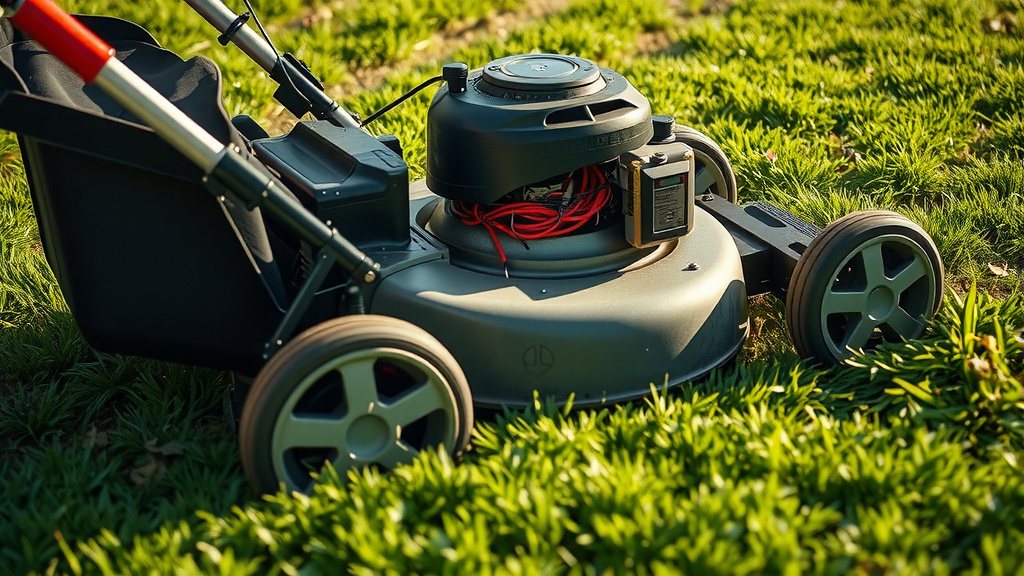
To hot-wire a lawn mower, you typically bypass the ignition switch by connecting specific wires from the starter solenoid directly to the battery, simulating the key turning action.
However, it’s a risky procedure that can damage your mower’s electrical system, void warranties, and poses a significant safety hazard, so it’s generally not recommended.
- Hot-wiring a lawn mower should be a last resort due to significant safety risks and potential damage.
- Always prioritize safety by disconnecting the spark plug and wearing protective gear before attempting any electrical work.
- The process involves locating the starter solenoid and connecting its power wire directly to the battery’s positive terminal.
- Consider common alternatives like checking the battery, spark plug, or fuel before attempting to hot-wire.
- Consulting a professional technician is often the safest and most reliable solution for starting issues.
How To Hot Wire Lawn Mower?
Hot-wiring a lawn mower means bypassing its regular ignition system to get it running without a key. While it might seem like a quick fix, this method is fraught with risks and should only be considered if all other options are exhausted and you fully understand the dangers involved.
Why Would You Consider Hot-Wiring?
You might be thinking about hot-wiring because your key is lost, the ignition switch is broken, or your mower just won’t start. It’s frustrating when you need to mow, and your machine refuses to cooperate, isn’t it? We understand that feeling of urgency when the grass is getting long.
Is Hot-Wiring Safe? A Blunt Answer
No, hot-wiring is not safe. It can cause electrical shorts, potential fires, and serious injury. Many experts and manufacturers strongly advise against it, emphasizing the risks over any perceived convenience. Think of it like trying to jump-start a car with bare wires – highly dangerous.
Essential Safety Gear Before You Start
If you absolutely must proceed, safety is paramount. You need to protect yourself from potential hazards. Always wear these items to minimize risks:
- Heavy-duty work gloves
- Safety glasses
- Insulated tools
- Closed-toe shoes
Steps to Prepare Your Lawn Mower
Before touching any wires, you need to prepare the mower. This prevents accidental starts and protects your fingers. Remember, even a small spark can be dangerous.
First, disconnect the spark plug wire. This step is non-negotiable. It prevents the engine from accidentally firing up while you’re working on the electrical system. Many safety guidelines emphasize this as the primary safety measure (Outdoor Power Equipment Institute).
Next, ensure your mower is on a flat, stable surface. Remove any loose items around the engine area. You want a clear workspace.
Understanding Your Mower’s Ignition System
Before you hot-wire, it helps to know what you’re bypassing. Most lawn mowers have a simple ignition system. It includes a battery, an ignition switch (where the key goes), a starter solenoid, and the starter motor. The key essentially tells the solenoid to send power to the starter.
Locating the Starter Solenoid
The starter solenoid is your main target. It’s usually a small, cylindrical or rectangular component, often near the battery or starter motor. It has several wires connected to it. Look for the larger wires coming from the battery and going to the starter motor.
Identifying Key Wires on the Solenoid
You’ll typically find three types of wires connected to the solenoid:
- A thick wire from the positive (+) battery terminal.
- A thick wire going to the starter motor.
- One or more smaller wires from the ignition switch (these are the ones you’re bypassing).
The Hot-Wiring Process (Proceed with Extreme Caution)
This section outlines the general steps. Please remember that this information is for educational purposes and comes with significant warnings about its risks and potential harm.
Step 1: Identify the Main Power Wire
Find the thick wire coming directly from the positive terminal of your mower’s battery. This is your main power source for the starter. It usually connects to one of the large terminals on the starter solenoid.
Step 2: Locate the Starter Motor Wire
Identify the other thick wire connected to the solenoid. This wire runs directly to the starter motor. When the engine cranks, power flows through this wire.
Step 3: Connect Power to the Starter Motor
Using a short piece of thick, insulated wire (a “jumper wire”), connect the main power wire terminal on the solenoid to the starter motor wire terminal on the solenoid. This effectively bypasses the ignition switch and sends power directly to the starter. Many technicians call this “jumping the solenoid.”
Alternatively, some people use a screwdriver to bridge the two large terminals on the solenoid. This is even more dangerous as it can create a spark and may not offer enough insulation. We strongly recommend against this method due to the high risk of electrical shock and damage.
Step 4: Start the Engine
With the wires connected, the starter motor should engage, and the engine should crank. If it starts, quickly disconnect your jumper wire. If it doesn’t start, release the connection and reassess your setup. Do not hold the connection for more than a few seconds, as it can overheat the starter.
Potential Risks and What Can Go Wrong
Hot-wiring is like performing surgery with a butter knife – you might get the job done, but the chances of collateral damage are high. What could happen?
You could damage the electrical system, causing blown fuses or even frying the starter motor. There’s also a significant risk of an electrical fire, especially if wires short circuit or become too hot. Personal injury from electrical shock or getting caught in moving parts is a real concern if the engine kicks over unexpectedly.
Alternatives to Hot-Wiring Your Lawn Mower
Before you consider hot-wiring, why not try some simpler, safer fixes? Many starting problems are easily resolved without resorting to such extreme measures.
Here are common issues and what we found typically helps:
| Problem | Safer Solution |
|---|---|
| Dead Battery | Charge or replace the battery. |
| Fouled Spark Plug | Clean or replace the spark plug. |
| No Fuel or Stale Fuel | Add fresh fuel; drain old fuel if necessary. |
| Clogged Fuel Filter | Replace the fuel filter. |
| Bad Ignition Switch | Test the switch with a multimeter; replace if faulty. |
Checklist for Troubleshooting Before Hot-Wiring
Go through this quick checklist before even thinking about hot-wiring. You might save yourself a lot of trouble!
- Is there enough fresh fuel in the tank?
- Is the battery charged and are terminals clean?
- Is the spark plug clean and properly gapped?
- Are all safety switches (like the seat switch or blade engagement) activated?
- Is the choke set correctly for a cold start?
- Are there any obvious loose wires or connections?
When to Call a Professional
If you’ve tried all the safer troubleshooting steps and your mower still won’t start, it’s probably time to call a professional. Many small engine mechanics can diagnose and fix these issues quickly and safely. They have the right tools and expertise to prevent further damage. We found that professional repair costs are often less than fixing damage caused by improper hot-wiring.
Conclusion
While the idea of hot-wiring your lawn mower might seem like a quick solution to a lost key or a faulty ignition, the risks far outweigh the benefits. You could end up damaging your valuable equipment, voiding its warranty, or worse, causing a serious injury to yourself or others. Always prioritize safety first. We genuinely care about your well-being and the longevity of your tools. Try the safer alternatives and troubleshooting steps. If those don’t work, consulting a qualified mechanic is always the wisest choice. Isn’t peace of mind worth more than a quick, risky fix?
How do I start a riding lawn mower without a key?
To start a riding lawn mower without a key, you can try bypassing the ignition switch by carefully and safely jumping the starter solenoid terminals with a small, insulated wire or screwdriver, but only after disconnecting the spark plug and ensuring all safety precautions are met. However, it’s much safer to replace the ignition switch or find a spare key.
Can a broken ignition switch be fixed on a lawn mower?
Yes, a broken ignition switch on a lawn mower can usually be fixed by replacing the faulty switch itself. This is a common and relatively straightforward repair that involves disconnecting the old switch’s wires and installing a new one. Testing with a multimeter can confirm the switch is the issue.
What causes a lawn mower to not start with the key?
A lawn mower might not start with the key due to a dead or weak battery, a faulty ignition switch, a bad starter solenoid, a dirty or worn spark plug, stale fuel, a clogged fuel filter, or issues with safety interlock switches (like the seat switch or blade engagement switch).
Is hot-wiring a lawn mower illegal?
While hot-wiring your *own* lawn mower generally isn’t illegal, hot-wiring someone else’s property without permission is considered theft and is highly illegal. The primary concerns with hot-wiring your own mower are the safety risks and potential damage to the machine, not legal ramifications.
What tools are needed to replace a lawn mower ignition switch?
To replace a lawn mower ignition switch, you’ll typically need a basic set of hand tools including a screwdriver (Phillips or flathead, depending on the fasteners), a wrench or socket set for the retaining nut, and possibly a pair of pliers for wire connections. A multimeter can also be helpful for diagnosing the old switch.
