
Do You Need Gloves for Yard Work?
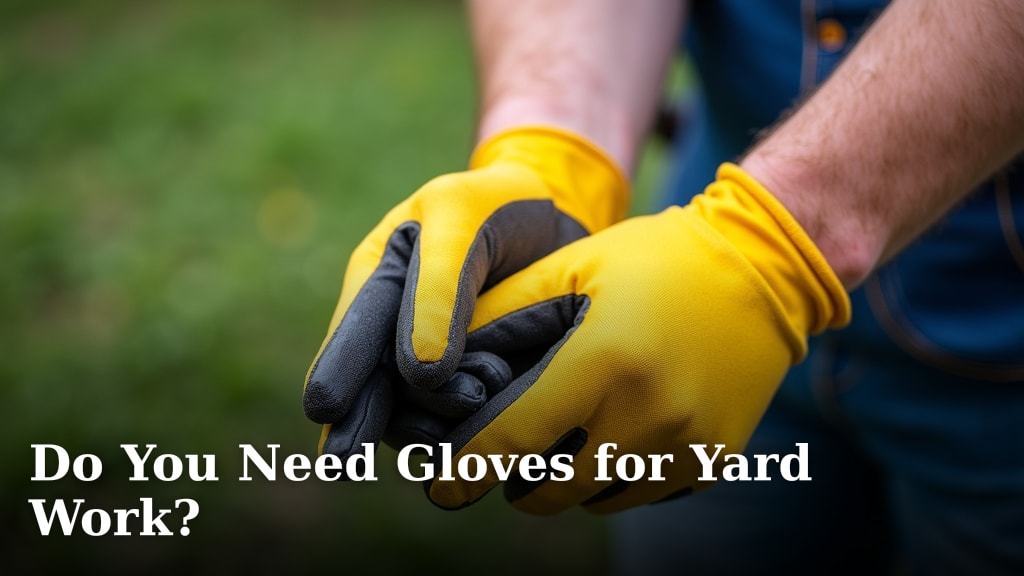
Yes, you absolutely need gloves for yard work to protect your hands. Gloves act as a vital barrier against thorns, splinters, harsh chemicals, and potential irrit
We’ve all been there. You head out to the garden with good intentions, maybe to tackle that overgrown rose bush or finally weed the flower beds. You might even grab a tool or two. But then, you pause. Do your hands need a little extra armor for this mission? The short answer is a resounding yes!
Why Your Hands Need Protection During Yard Work
Protecting your hands is a big deal when you’re working in the yard. Your hands are your primary tools for gardening. They touch everything, feel everything, and do a lot of the heavy lifting. Without proper protection, they can face a surprising number of hazards.
Physical Dangers Lurking in Your Garden
The most obvious threats come from sharp or rough objects. Think about the prickly thorns on roses or berry bushes. Splinters from wood, whether it’s a broken fence post or a garden stake, can be incredibly painful and hard to remove. Even seemingly harmless plants can have rough leaves or stems that irritate your skin over time.
Then there are the less visible dangers. You might encounter rusty metal objects hidden in the soil. Or perhaps you’re dealing with heavy rocks or tools that could cause scrapes or bruises if your grip slips. Your hands are constantly exposed to the elements, too. Sunburn, dry cracked skin from exposure, and even insect bites can make yard work a miserable experience.
Chemical Exposure Risks
Many yard tasks involve chemicals. Weed killers, pesticides, fertilizers, and even some soil amendments can be harsh. These products are designed to affect living organisms, and your skin can absorb them. This can lead to skin irritation, allergic reactions, or more serious health issues if absorbed in large quantities (CDC). Protective gloves create a barrier, preventing direct contact with these substances.
Preventing Infections and Illnesses
It might surprise you, but dirt and soil can contain bacteria and pathogens. Even a small cut or scratch on your hand can become an entry point for these organisms. Tetanus, for example, is a serious infection that can enter the body through wounds, even minor ones (CDC). Good gloves help keep your skin intact and clean, reducing the risk of infection.
Choosing the Right Gloves for Your Gardening Tasks
Not all gloves are created equal. The best glove for pruning roses might not be ideal for digging or using power tools. Understanding the task at hand will help you pick the perfect pair to keep your hands safe and comfortable.
When Are Heavy-Duty Gloves Necessary?
For tasks involving rough materials or potential punctures, you need gloves that offer robust protection. Think about:
- Pruning thorny bushes: Roses, barberry, and holly can inflict nasty scratches. Look for gloves with extra padding or reinforced fingertips.
- Handling rough lumber: Building raised beds or repairing fences means dealing with splinters.
- Clearing brush or debris: Sharp branches and hidden hazards are common.
- Working with heavy soil or rocks: These tasks can lead to abrasions and blisters.
Many experts recommend leather or heavy-duty synthetic materials for these jobs. They offer excellent puncture resistance and durability.
What About Lighter Gloves for Everyday Tasks?
Not every garden chore requires a suit of armor for your hands. For lighter tasks like planting seeds, weeding small flower beds, or general tidying, you might prefer something more flexible. These gloves often come in cloth, nitrile, or latex materials. They offer a good balance of dexterity and protection against dirt and minor irritants.
Nitrile gloves, in particular, are a popular choice. They are flexible, water-resistant, and provide a good barrier against moisture and many common garden chemicals. They also offer a decent grip, which is helpful when handling small tools or seedlings.
Specialty Gloves for Specific Needs
Beyond the general categories, there are gloves designed for very specific purposes:
- Waterproof gloves: Essential if you’re often working in wet conditions or need to handle damp soil without getting your hands soggy.
- Insulated gloves: For those brave souls gardening in cooler weather, insulated gloves keep your hands warm while still offering protection.
- Vibration-dampening gloves: If you’re using power tools like a chainsaw or hedge trimmer, these can help reduce the impact of vibrations on your hands and arms.
What to Look for in a Good Pair of Gardening Gloves
When you’re shopping, several features will make a difference in how well your gloves perform and how much you actually enjoy wearing them. Don’t just grab the first pair you see!
Material Matters: Durability and Comfort
The materials used will dictate the glove’s protection level, flexibility, and how long it lasts. Common materials include:
- Leather: Durable and offers good protection against punctures and abrasions. Can be stiff initially and may not be ideal for tasks requiring fine motor skills.
- Nitrile: Flexible, water-resistant, and good for protection against chemicals and moisture. Offers decent abrasion resistance.
- Latex: Similar to nitrile but can cause allergic reactions in some people. Offers good dexterity.
- Fabric (Cotton, Polyester): Lightweight and breathable, good for general use and keeping hands clean. Offers minimal protection against punctures or chemicals.
- Synthetic blends: Often combine the benefits of different materials for improved durability, flexibility, and grip.
We found that many gardeners appreciate gloves that offer a good grip, especially when handling tools or wet plants. Look for textured palms or fingertips.
Fit is Key: Avoid Frustration
Gloves that are too big will slip around, reducing your dexterity and increasing the risk of accidents. Gloves that are too small can be uncomfortable, restrict movement, and lead to blisters. You want a glove that fits snugly but allows for a full range of motion. Your fingertips should reach the end of the glove without being cramped.
A good way to test the fit is to try picking up small objects or using your fingers for fine movements while wearing the gloves. Can you still feel what you’re touching reasonably well? Are your fingers getting pinched?
Ventilation and Breathability
There’s nothing worse than having sweaty, clammy hands in your gloves. This can lead to discomfort and even skin irritation. For warmer weather or strenuous activity, look for gloves made from breathable materials or those with vented backs. This will help keep your hands cool and dry.
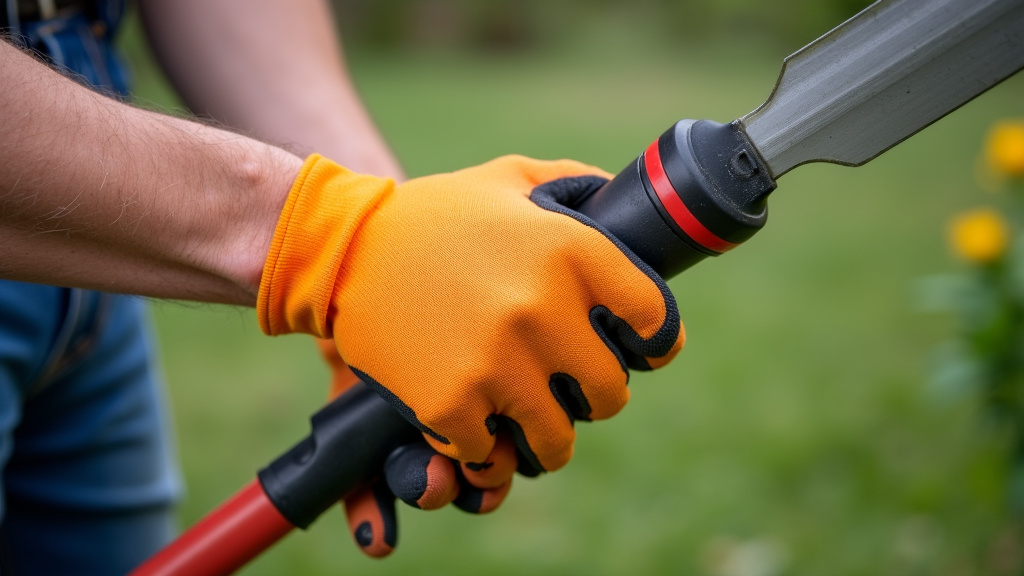
A Quick Checklist for Glove Shopping
Before you head out to buy, keep this simple checklist in mind:
- Task Specificity: What kind of yard work will you do most often?
- Material Quality: Is it durable, comfortable, and appropriate for the task?
- Proper Fit: Do they feel snug but not tight? Can you move your fingers freely?
- Grip Enhancement: Do they offer a good grip on tools and plants?
- Breathability: Will your hands stay reasonably dry and comfortable?
- Protection Level: Do they offer adequate defense against thorns, splinters, chemicals, and dirt?
Protecting Your Hands: A Small Step for Big Benefits
You might think of gloves as just another accessory, but for yard work, they are a smart investment in your well-being. They are your first line of defense against a myriad of potential issues. From preventing painful cuts and splinters to shielding your skin from harsh chemicals and bacteria, gloves make gardening a safer and more enjoyable experience.
Think of them as your garden sidekick. They take the brunt of the rough work so you don’t have to. It’s a simple solution that pays off big time in keeping your hands healthy, happy, and ready for many seasons of gardening to come. So next time you head out to the yard, don’t forget to slip on a pair of gloves – your hands will thank you!
Conclusion
You’ve learned that gloves aren’t just an option for yard work; they’re a smart necessity. They provide essential protection against everything from sharp thorns and painful splinters to irritating chemicals and unseen bacteria. Choosing the right glove for your specific task ensures comfort and maximum safety, letting you focus on enjoying your garden. Don’t let hand injuries stop you from tending your green space. Make it a habit to grab your gardening gloves before you head outside. Your hands will thank you for this simple step, keeping them healthy for seasons to come.
Frequently Asked Questions
Can I just use any old pair of gloves for gardening?
While any glove offers some protection, it’s best to choose gloves designed for yard work. Different tasks require different levels of protection, from puncture resistance for thorny plants to flexibility for detailed planting. Using the wrong type might not offer enough defense or could hinder your ability to work effectively.
How do I know if my gardening gloves fit properly?
Properly fitting gloves should feel snug but not tight. Your fingertips should reach the end of the glove without being cramped, and you should have a full range of motion in your fingers and wrist. They shouldn’t slip around on your hands, which can reduce dexterity and increase the risk of accidents.
Are waterproof gardening gloves necessary if I don’t work in the rain?
Waterproof or water-resistant gloves are highly recommended even if you don’t garden in the rain. They keep your hands dry when working with damp soil, wet tools, or washing plants. Keeping your hands dry prevents skin softening, which can make them more prone to blisters and abrasions.
What’s the best glove material for handling thorny plants like roses?
For thorny plants, you’ll want gloves made from durable materials that offer excellent puncture resistance. Leather or heavy-duty synthetic blends are often recommended. Look for gloves with reinforced fingertips or extra padding on the palms and fingers for added protection.
How should I clean my gardening gloves to keep them in good condition?
Cleaning instructions vary by material. Most fabric or synthetic gloves can be washed in cool water with mild soap and air-dried away from direct heat. For leather gloves, brush off excess dirt and use a specialized leather cleaner if needed, then allow them to air dry completely to prevent stiffness.
