
How To Work A Push Lawn Mower?
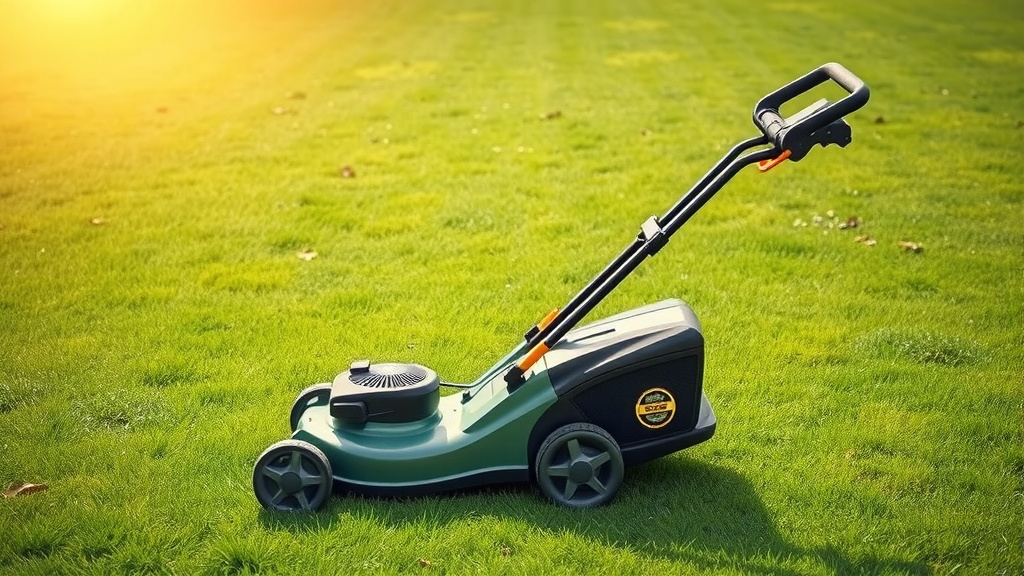
To work a push lawn mower, you generally start by ensuring the gas tank is full and the oil level is correct, then prime the engine a few times before pulling the starter cord.
After the engine begins, you will guide the mower across your lawn in overlapping rows, keeping safety and proper cutting height in mind for a healthy, uniform yard.
- Get your mower ready: Fill it with fresh gas and check the oil.
- Start it up: Prime the engine and give the starter cord a good pull.
- Mow smart: Use overlapping lines, keeping your lawn’s health in mind.
- Stay safe: Always wear proper gear and clear your yard first.
- Keep it going: Clean your mower and store it right after each use.
How To Work A Push Lawn Mower?
Working a push lawn mower involves a few key steps: preparing your machine, starting it correctly, and then guiding it safely across your lawn for a clean cut. It’s simpler than you might think.
Getting Ready: Pre-Mow Prep Matters
Before you even think about starting your mower, a little preparation goes a long way. Think of it like getting ready for a workout; you wouldn’t just jump straight in, would you?
Clear the Path for a Smooth Cut
First, walk your lawn like a detective. Pick up any loose sticks, rocks, or toys that could become a projectile (Consumer Reports). This step protects both you and your mower from unwanted damage or injury.
Check Your Mower’s Vital Fluids
Is your gas tank full of fresh fuel? We found that old gas can clog up engines over time. Also, check your oil level with the dipstick. Just like your car, your mower needs proper lubrication to run well.
Adjusting the Cutting Height Just Right
Many experts say you should never cut more than one-third of the grass blade’s length (Ohio State University Extension). Adjust your mower’s deck height to suit your lawn’s current length. Taller grass means a higher blade setting.
Starting Your Push Mower: The Power-Up
Now that your yard and mower are ready, it’s time to bring that engine to life. Don’t worry, it’s not as tricky as it sounds, especially if you follow these steps.
Where to Start Your Mower
Always start your mower on a flat, even surface, away from any obstacles. You want plenty of room to get it going without bumping into anything. This is a basic safety practice.
Priming the Engine for Action
If your mower has a primer bulb, press it a few times (usually 3-5). You’ll see gas flowing into the carburetor. This little pump helps get the fuel ready for ignition, especially after the mower has been sitting for a while.
The Moment of Truth: Pulling the Cord
Hold the safety bar down firmly against the handle. Then, grab the starter cord and give it a firm, smooth pull. Don’t yank it too hard, just a steady pull until the engine catches. It might take one or two tries.
Mowing Techniques: Your Lawn’s New Look
Once your mower is running, it’s time to get down to business. How you push and guide the mower makes a big difference in how your lawn looks and feels.
Embrace the Overlap Method
Think of it like painting stripes. Mow in straight, overlapping rows. Each new row should overlap the previous one by a few inches. This ensures you don’t miss any patches and get a uniform cut.
Pace Yourself: Slow and Steady Wins
Pushing a mower isn’t a race. Walk at a steady, comfortable pace. If you go too fast, your mower might struggle, leaving an uneven finish. A nice, even pace results in a better-looking lawn.
Navigating Slopes and Obstacles
When mowing on a slope, push the mower across the slope, not up and down (National Safety Council). This helps prevent losing control. For obstacles, slow down and maneuver carefully, keeping a safe distance. Your safety is always the priority.
Here’s a quick look at common mowing challenges and simple fixes:
| Mowing Problem | Quick Fix |
|---|---|
| Uneven Cut | Check blade sharpness; adjust cutting height uniformly. |
| Mower Stalling | Clean air filter; ensure fresh fuel; check spark plug. |
| Missed Patches | Overlap rows more; slow down your pace. |
Safety First: Protecting Yourself
Mowers are powerful machines. Treating them with respect means staying safe. Think of safety as your best friend in the yard.
Wear the Right Gear
Always wear closed-toe shoes, long pants, and eye protection. Many experts recommend hearing protection too, especially with gas models. These items help protect you from flying debris and noise.
Keep Kids and Pets Away
Before you start, make sure children and pets are indoors or far away. It’s too easy for them to wander into the mowing area. Their safety is your responsibility.
What to Do If the Mower Jams
If your mower jams, immediately turn it off and disconnect the spark plug wire. NEVER reach under the deck while the engine is running or the spark plug is connected. Use a stick or tool to clear debris, not your hands (Consumer Product Safety Commission).
Here is a quick safety checklist for every mow:
- Clear your lawn of debris.
- Check mower fuel and oil.
- Adjust cutting height appropriately.
- Wear closed-toe shoes and eye protection.
- Keep children and pets clear of the area.
Post-Mow Care: Keep Your Mower Happy
You’ve finished mowing, great job! But your work isn’t quite done yet. A little post-mow care keeps your machine running well for seasons to come.
Clean Off the Clippings
After each use, let the mower cool, then disconnect the spark plug. Tilt the mower (carburetor side up if gas) and scrape off any accumulated grass clippings from the underside of the deck. This prevents rust and maintains cutting efficiency.
Store It Smart
Store your mower in a dry, covered area. A garage or shed works perfectly. Keeping it out of the elements prevents rust and corrosion, extending its overall lifespan.
Conclusion
Learning how to work a push lawn mower is a fundamental skill for any homeowner. By following these steps—from preparing your yard and machine, to starting it safely, applying effective mowing techniques, and providing essential post-mow care—you’ll achieve a beautiful, healthy lawn with confidence. It’s about more than just cutting grass; it’s about maintaining your outdoor space responsibly and safely for years to come.
What should I do if my push mower won’t start?
If your push mower won’t start, first check that there’s fresh fuel in the tank and the oil level is correct. Then, ensure the spark plug wire is firmly connected. If it still won’t start after priming and pulling the cord a few times, you might need to clean or replace the spark plug, or check the air filter for clogs.
How often should I sharpen my mower blade?
Many experts recommend sharpening your mower blade at least once per season, or every 20-25 hours of use (Popular Mechanics). If you notice your grass tips look torn and frayed after mowing, rather than a clean cut, it’s a clear sign your blade is dull and needs attention.
Is it better to push a lawn mower fast or slow?
It’s generally better to push a lawn mower at a steady, moderate pace. Going too fast can result in an uneven cut, missed patches, and can strain the engine. A slower, consistent speed allows the blades to effectively cut each grass blade cleanly, leading to a much better-looking and healthier lawn.
Can I mow wet grass with a push mower?
While you technically can, it’s not recommended to mow wet grass. Wet clippings tend to clump under the deck, clogging the mower and resulting in an uneven cut. They can also create slippery conditions, making mowing less safe. It’s always best to wait for the grass to dry.
What’s the best time of day to mow my lawn?
The best time of day to mow your lawn is typically in the late afternoon. This allows any morning dew to dry completely, avoiding the issues with wet grass. Mowing in the evening also gives the fresh-cut grass time to recover before the heat of the midday sun, reducing stress on your lawn.
