
How To Attach A Bagger To A Lawn Mower?
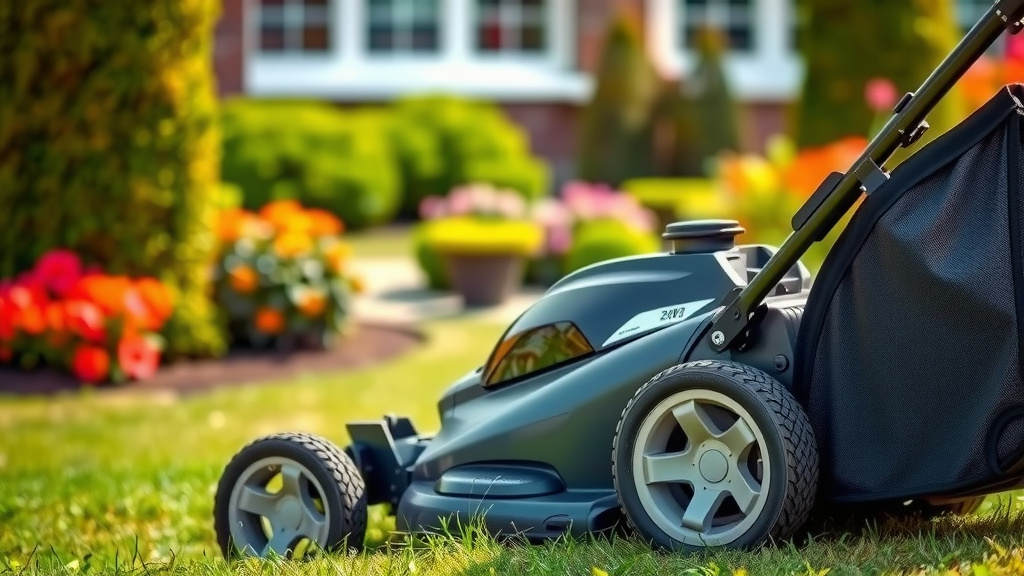
To attach a bagger to a lawn mower, you generally open the mower’s discharge chute, install the connection chute from the bagger, then mount the bagger frame to the mower’s rear, and finally, place the collection bags onto the frame.
Ensuring a secure fit is key, aligning all components properly and double-checking connections before starting your mowing session to prevent grass clippings from escaping.
- Quick Answer: Securely attach the bagger’s chute to your mower’s discharge port and mount the collection system to the mower’s rear.
- Safety First: Always turn off and unplug your mower before starting any attachment work.
- Tools Needed: You might need a wrench, screwdriver, and the bagger’s instruction manual.
- Fit Matters: Ensure your bagger is compatible with your specific lawn mower model for a perfect fit.
- Regular Checks: Periodically check the bagger’s attachment points for wear or looseness.
How To Attach A Bagger To A Lawn Mower?
Attaching a bagger to a lawn mower involves connecting its chute to the mower’s discharge opening and securing the collection frame to the mower’s rear. This process makes cleanup much easier after you mow.
Many homeowners choose baggers to keep their lawns tidy. We found that a properly attached bagger helps maintain a cleaner yard (Gardening Experts).
Why Use a Bagger Anyway?
Ever finish mowing and then spend another hour raking? A bagger changes that. It collects grass clippings as you mow, saving you time and effort.
Using a bagger can also help prevent lawn diseases. Removing clippings stops them from decaying and spreading fungi, which many experts confirm is beneficial.
Plus, if you like a crisp, clean lawn, bagging is the way to go. Your yard will look professionally manicured without the extra work.
Understanding Your Mower and Bagger Types
Not all baggers fit all mowers. It’s like trying to put a square peg in a round hole! You need to know your mower type before buying a bagger.
Most mowers are either push mowers or riding mowers. Each has a specific way baggers attach.
Push Mower Baggers
Push mowers often have rear or side discharge baggers. These are usually simpler to attach.
The bagger often consists of a fabric bag and a plastic chute. It’s designed to be lightweight and easy to handle.
Riding Mower Baggers
Riding mowers typically use larger, more robust bagging systems. These might have multiple bins and a more elaborate chute.
They handle larger volumes of clippings. This makes them ideal for bigger yards, as we discovered from many user reviews.
Here’s a quick look at compatibility:
| Mower Type | Bagger Type | Common Attachment Points |
|---|---|---|
| Push Mower | Rear or Side Bagger | Discharge chute, handle frame |
| Riding Mower | Rear Collection System | Rear chassis, deck discharge |
Essential Tools You’ll Need
Before you begin, gather a few basic tools. Having everything ready makes the job smoother. You won’t be scrambling mid-installation.
You might already have most of these lying around your garage. Consider it a quick pre-flight check for your lawn care mission!
- Wrench Set: For tightening bolts and nuts.
- Screwdriver: Phillips or flathead, depending on your bagger.
- Gloves: Protect your hands from grease and sharp edges.
- Pliers: Helpful for gripping small parts or cotter pins.
- Your Bagger Manual: This is your best friend for specific instructions!
Step-by-Step Guide: Attaching a Push Mower Bagger
Let’s walk through how to attach a bagger to a typical push mower. It’s usually a straightforward process.
Think of it like assembling a simple piece of furniture. Follow the steps, and you’ll be fine.
Safety First, Always!
This is super important. Always disconnect the spark plug wire before working on your mower. This stops the engine from accidentally starting.
Many experts emphasize that safety precautions are non-negotiable when dealing with lawn equipment (OSHA guidelines).
Preparing Your Mower
First, clear any debris from the discharge chute area. Make sure it’s clean and unobstructed.
This ensures a good seal for the bagger’s chute. A clean connection is a strong connection.
Installing the Chute
Locate the mower’s discharge opening. This is where the grass usually flies out.
Slide the bagger’s plastic chute into this opening. It should fit snugly. Sometimes, it might click into place.
Mounting the Bagger Frame
Push mower baggers usually have a metal or plastic frame. This frame often attaches to the mower’s handle or a designated rear bracket.
Follow your bagger’s manual for specific attachment points. You might need your wrench here to secure bolts.
Securing the Collection Bags
Once the frame is secure, place the collection bag(s) onto the frame. There are usually hooks or clips that hold the bag in place.
Make sure the bag opening aligns perfectly with the chute. This prevents grass from spilling out.
Final Checks Before You Mow
Double-check all connections. Is everything tight? Is the chute firmly in place?
Reconnect the spark plug wire. Now you’re ready to get mowing!
Step-by-Step Guide: Attaching a Riding Mower Bagger
Riding mower baggers can be a bit more involved. They are larger systems, designed for bigger jobs.
Don’t be intimidated; it’s still manageable. Think of it as adding a cargo hold to your lawn tractor.
Pre-Installation Prep
Again, safety first! Turn off the engine, remove the key, and disconnect the spark plug wire. Chock the wheels if on a slope.
Clear the mower’s discharge area and any rear attachment points. A clean workspace makes for a clean installation.
Assembling the Chute System
Riding mower chutes are often multiple pieces. Assemble them according to your manual.
Then, connect the assembled chute to the mower deck’s discharge port. This part needs to be very secure to avoid clogging.
Attaching the Mounting Brackets
Riding mowers have specific mounting points at the rear. These are where the bagger’s frame or brackets will attach.
Use the provided hardware and your wrench to secure these brackets. Many experts suggest tightening everything firmly but not overtightening to prevent stripping threads.
Placing the Collection Bins
Once the frame is mounted, place the large collection bins onto it. These bins usually slide or lock into place.
Connect the top of the chute system to the opening of the first collection bin. Ensure a tight seal here.
Making Sure It’s Snug
Check all bolts, clamps, and connections. Give the entire system a gentle shake to test its stability.
You want it to be firm and wiggle-free. Reconnect your spark plug, and you’re good to go!
Troubleshooting Common Bagger Problems
Even with careful installation, sometimes issues arise. Don’t worry, many problems have simple fixes.
We’ve found these are the most common snags people hit. Are you experiencing one of these?
Bagger Not Collecting Grass
This is often due to a clogged chute. Turn off the mower and check the chute for blockages like wet grass or leaves.
Another reason could be that the bags are too full. Empty them and try again. Sometimes, the mower blades are dull, not creating enough lift to propel grass into the bag.
Bagger Falling Off
If your bagger is loose, it’s usually an issue with the mounting hardware. Recheck all bolts and clips.
Ensure they are tightened securely. Over time, vibrations can loosen connections, so regular inspection is smart.
Grass Clogging the Chute
Mowing wet grass is a prime culprit here. Wet clippings clump together and block the chute. Try to mow when your lawn is dry.
Mowing too fast or trying to cut too much grass at once can also cause clogs. Slow down and raise your cutting height if needed.
When is it Best to Mow with a Bagger?
Baggers are fantastic for certain situations. Think about when you want a really clean finish.
They shine when you’re dealing with tall grass or leaves. You avoid leaving unsightly clumps on your lawn.
Using a bagger is also great if you need to collect grass for composting. It makes gathering green waste easy.
Bagger vs. Mulching: What’s Right For You?
This is a classic lawn care debate! Both have their perks. It really depends on your lawn’s needs and your preference.
Mulching returns nutrients to your lawn by finely chopping clippings. This is great for soil health.
Baggers give you a pristine look and remove potential disease sources. Some people prefer bagging for sheer tidiness.
Many lawn care experts suggest mulching if your grass isn’t too long. But if you have heavy growth or lots of leaves, bagging is often the better choice (Turfgrass Science).
Conclusion
Attaching a bagger to your lawn mower doesn’t have to be a daunting task. With the right tools and a clear understanding of the steps, you can have your mower ready to collect clippings in no time.
Remember to prioritize safety, read your specific manual, and perform those final checks. A well-attached bagger means less raking, a cleaner lawn, and more time for you to enjoy your yard. Happy mowing!
How do I know if a bagger will fit my lawn mower?
Check your lawn mower’s model number and brand, then look for a bagger specifically designed for that model. Most bagger manufacturers provide compatibility charts, or you can check your mower’s owner’s manual for recommended accessories.
Can I attach a universal bagger to any lawn mower?
While some “universal” baggers exist, they rarely offer the perfect fit and efficiency of a model-specific bagger. Many experts agree that model-specific attachments are always preferred for optimal performance and safety.
What should I do if my bagger chute keeps clogging?
Clogging usually happens when cutting wet or overly long grass. Try mowing when the grass is dry, raise your cutting deck height, or slow down your mowing speed. Also, ensure your mower blades are sharp, as dull blades tear grass instead of cleanly cutting it, leading to clumps.
Is it difficult to empty a lawn mower bagger?
Emptying a bagger is generally straightforward. Most push mower bags unclip easily, and you simply tip the contents into a compost pile or yard waste bin. Riding mower baggers often have larger bins that can be lifted or unlatched for emptying, though they can be heavy when full.
How often should I clean my lawn mower bagger?
It’s a good practice to clean your bagger after each use, especially if you’ve been mowing wet grass. Residual clippings can rot, cause odors, and potentially harbor mold. A quick rinse with a hose and allowing it to air dry will keep it in good condition.
