
How To Attach Bag To Lawn Mower?
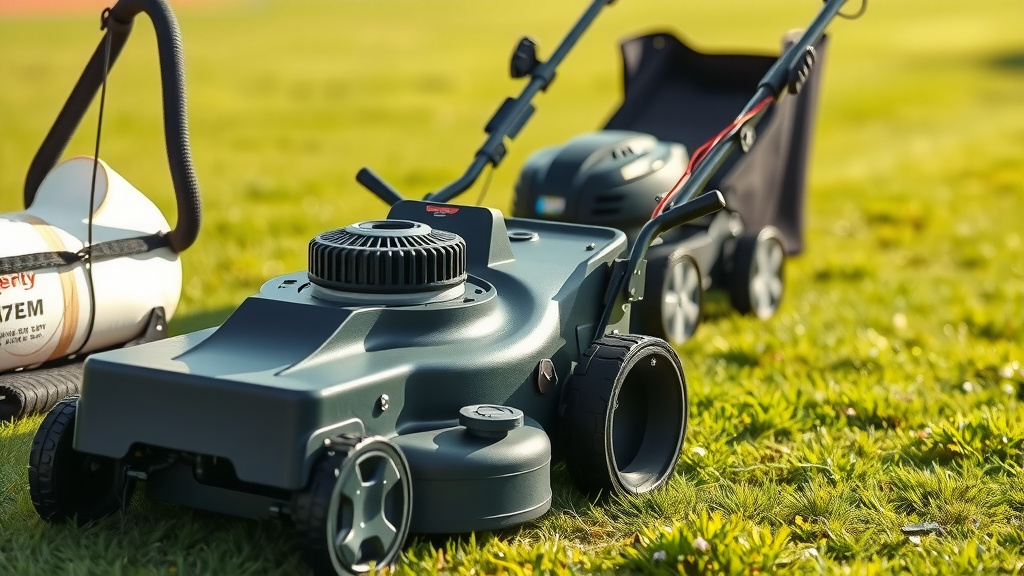
To attach a bag to your lawn mower, you typically slide the bag’s frame into the designated mounting slots or hooks on the mower’s rear or side discharge chute, ensuring it clicks or latches securely.
Properly attaching a lawn mower bag involves aligning its opening with the mower’s grass discharge area and firmly fastening any clips, straps, or levers provided by the manufacturer.
TL;DR: Need to attach that lawn mower bag quickly? Here’s the super-fast rundown:
- Always prioritize safety: turn off the engine and disconnect the spark plug.
- Identify your mower’s bagging system – is it a rear or side discharge model?
- Locate the attachment points on your mower, usually near the discharge chute.
- Align the bag’s frame with these points, then slide or hook it firmly into place.
- Double-check the connection to confirm it’s stable before you start mowing.
Hey there, fellow lawn enthusiast! Ready to get that yard looking pristine without leaving a trail of clippings? Attaching a bag to your lawn mower might seem like a small task, but getting it right means a cleaner cut and a happier you. Think of it like connecting a puzzle piece – it needs to fit just right. Let’s walk through this together, step by step, so you can bag those clippings with confidence!
How To Attach Bag To Lawn Mower?
Attaching a bag to your lawn mower is a straightforward process that varies slightly by mower type. Essentially, you will connect the bag’s frame to the mower’s discharge area, making sure it seals properly to collect grass clippings efficiently.
Understanding Your Mower’s Bagging System
Before you even grab that bag, take a moment to understand your mower. Does it have a rear discharge or a side discharge? This small detail makes a big difference in how you’ll attach the bag. We found that most residential walk-behind mowers fall into one of these two categories for bagging.
Rear Discharge Bagging Systems
These mowers typically have a flap or door at the back. When you lift this flap, you’ll see the opening where the grass exits. The bag’s frame usually slides into slots directly behind this opening, often resting on a few hooks or ledges. It’s like a tailored fit, designed specifically for your model.
Side Discharge Bagging Systems
For side discharge mowers, you’ll find a spring-loaded cover on the side. This cover usually lifts up, revealing a chute. The bag, often shaped somewhat differently, will typically have a plastic elbow or frame that inserts into this side chute opening. It’s a bit like docking a small boat into its slip.
Essential Pre-Attachment Steps
Before any wrenching or lifting, let’s talk safety and preparation. You wouldn’t jump into a pool without checking the depth, right? The same caution applies here. These preliminary steps are absolutely non-negotiable for a smooth and safe experience.
Safety First, Always!
This isn’t just a suggestion; it’s a golden rule! Always, and we mean always, turn off your lawn mower’s engine. Next, and this is super important, disconnect the spark plug wire. Just pull it right off the spark plug. Why? This simple act prevents the engine from accidentally starting while you’re working near the blades. Think of it as putting a “do not disturb” sign on your mower (OSHA guidelines frequently emphasize machine lockout procedures).
Gather Your Tools and Manual
Most of the time, attaching a bag is tool-free. But, it’s always smart to have your mower’s owner’s manual handy. This little book is a treasure map for your specific model. It can show you exact diagrams of how your bag attaches. Also, make sure your bag itself is clean and undamaged. A clogged or broken bag won’t do you any favors.
Here’s a quick checklist to ensure you’re ready to roll:
- Mower engine OFF.
- Spark plug wire DISCONNECTED.
- Your specific lawn mower bag is clean and intact.
- Owner’s manual within reach (just in case!).
- A clear, flat workspace.
Step-by-Step Guide: Attaching a Rear Bag
Most walk-behind mowers use a rear bagging system. This is a common setup, and you’ll find it quite intuitive once you know where to look. We often find that new users quickly get the hang of this method after one or two tries.
Locating the Discharge Chute and Slots
Walk around to the back of your mower. You’ll see a large, spring-loaded flap, often black plastic or metal. This is your rear discharge chute cover. Gently lift this cover. Beneath it, you’ll see the opening where the grass comes out, and usually, two sets of notches or hooks where the bag frame will connect. Think of them as the bag’s docking stations.
Aligning and Sliding the Bag Frame
Now, grab your grass bag. The rigid part of the bag (often plastic or metal frame) is what you’ll be working with. Line up the top edge of this frame with the notches or hooks you just located. With the discharge cover still lifted, gently slide the bag’s frame downward and forward into these slots. You might feel a slight resistance, but it should slide in smoothly without forcing it.
Securing the Bag Firmly
Once the bag is seated in the slots, gently lower the rear discharge cover. This cover should rest snugly over the top edge of the bag’s frame, effectively sealing the system. Some bags also have additional clips or straps that you’ll need to fasten onto the mower frame. Give the bag a gentle tug to confirm it’s stable and won’t bounce off during mowing. A secure fit prevents grass leaks and ensures efficient collection.
Step-by-Step Guide: Attaching a Side Bag
Side bagging is less common for push mowers these days, but it’s still found on some models, especially older ones or specific riding mowers. The principle remains the same: create a sealed path for the clippings.
Opening the Side Discharge Cover
Look to the side of your mower, usually the right side when standing behind it. You’ll spot a hinged, spring-loaded cover. This is your side discharge chute cover. Lift it up and hold it open. This action reveals the side discharge opening, which is where your bag will connect. It’s like opening a little drawbridge for the grass to pass through.
Inserting and Locking the Bag
Your side bag will likely have a hard plastic chute or elbow built into its opening. Align this plastic piece with the side discharge opening. With one hand holding the cover up, carefully slide the bag’s chute into the opening. You might need to twist it slightly to ensure the tabs on the bag’s chute engage with the slots on the mower. Once inserted, release the side discharge cover. It should then press down on the bag’s chute, locking it into place. Many experts say a good seal here is key to preventing clogs (e.g., as discussed by various lawn care forums).
Here’s a comparison of common bagging methods:
| Bagging Method | Typical Location | Attachment Style | Common Mower Type |
|---|---|---|---|
| Rear Discharge | Back of the mower | Slides into slots under a rear flap | Walk-behind push and self-propelled |
| Side Discharge | Side of the mower (usually right) | Inserts into chute under a side cover | Some older walk-behind, many riding mowers |
Troubleshooting Common Bagging Issues
Sometimes things don’t go perfectly the first time. Don’t worry, it happens to the best of us! Let’s look at a couple of common snags you might hit when bagging.
Bag Not Fitting Snugly?
If your bag feels wobbly or keeps falling off, it’s often a simple misalignment. Re-lift the discharge cover and ensure the bag’s frame is fully seated in all the slots. Sometimes one side might not be in correctly. Check for any debris blocking the attachment points. If it’s a new bag, confirm it’s the correct model for your mower; many bags are brand and model-specific. Many experts emphasize using manufacturer-recommended accessories (e.g., University of California IPM).
Why is My Bag Filling Unevenly?
An unevenly filling bag can indicate a few things. First, check if the bag is fully attached and sealed. Air leaks can reduce suction. Second, your mower blades might be dull, tearing grass instead of cutting cleanly, which affects airflow. Third, wet or very long grass can clump and clog the chute, preventing even distribution. Always try to mow dry grass for best results.
Maintaining Your Lawn Mower Bag
Just like your mower itself, the bag benefits from a little TLC. A well-maintained bag lasts longer and works better. After each use, or at least every few uses, give it a good shake to remove excess clippings. For a deeper clean, especially if it gets muddy, you can spray it down with a hose. Ensure it’s completely dry before storing to prevent mold and mildew. This simple step keeps air flowing properly, which is key for efficient bagging.
Conclusion
Attaching a bag to your lawn mower doesn’t have to be a head-scratcher. With a little attention to safety, understanding your mower’s system, and following these straightforward steps, you’ll be bagging clippings like a pro. Remember, a securely attached bag means a cleaner lawn and less raking for you. So, go ahead, get that bag on, and enjoy the satisfaction of a perfectly manicured yard!
Frequently Asked Questions About Lawn Mower Bags
Is it better to bag or mulch grass clippings?
Both bagging and mulching have benefits. Bagging removes clippings, which can be great if you have a lot of weeds or want a super clean look. Mulching, however, returns nutrients to your lawn as the clippings decompose, often leading to a healthier lawn over time (research often connects this with soil health benefits, e.g., USDA).
How often should I clean my lawn mower bag?
It’s a good practice to give your bag a shake-out after every use. For a deeper clean, especially if it’s dusty or dirty, clean it with a hose every few mowing sessions. Make sure it dries thoroughly before storing to stop mold from growing.
Can I use any bag with my lawn mower?
Generally, no. Lawn mower bags are often specific to the brand and model of your mower. They’re designed to fit precise attachment points and dimensions. Using the wrong bag might lead to an improper fit, grass leakage, or even damage. Always check your mower’s manual for compatible bag models.
What if my lawn mower doesn’t have a bagging option?
If your mower isn’t designed for bagging, it likely discharges clippings from the side or rear. You can still manage clippings by mulching them (if your mower allows) or raking them up after mowing. Some mowers might offer aftermarket bagging kits, but always verify compatibility with your model.
How do I know when to empty the lawn mower bag?
You’ll notice the bag becoming visibly full or heavy. Also, if your mower starts leaving a trail of clippings behind, or if the engine sounds like it’s straining, these are clear signs the bag is full and needs emptying. Don’t let it get overly stuffed, as this can reduce cutting performance and airflow.
