
How To Make A Lawn Mower Bag?
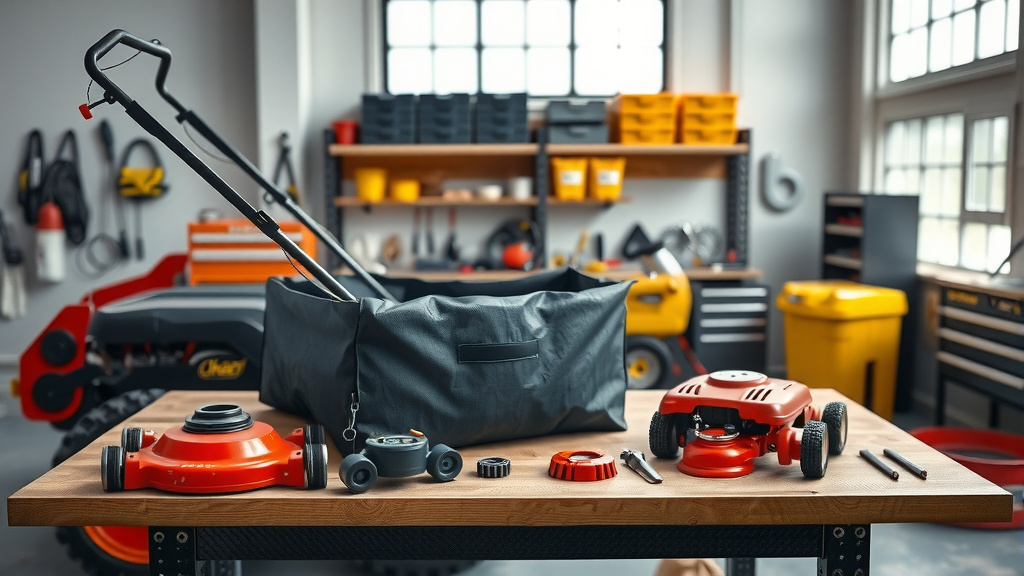
You can make a lawn mower bag by repurposing sturdy materials like canvas or heavy-duty mesh, sewing them into a collection sack, and attaching it to your mower’s discharge chute.
Creating your own lawn mower bag requires basic sewing skills, durable fabric, a sturdy frame, and a clear understanding of your mower’s dimensions for a secure fit.
For those short on time, here’s the rundown:
- DIY lawn mower bags can save money and customize capacity.
- Gather materials like strong fabric, a sturdy frame, and basic sewing supplies.
- Careful measurement of your mower’s discharge chute is absolutely key.
- Sew the fabric into a bag shape, adding reinforcements and attachment points.
- Always prioritize safety, ensuring the bag is securely fastened before mowing.
How To Make A Lawn Mower Bag?
Making a lawn mower bag involves selecting robust fabric and constructing a collection sack that fits your mower’s discharge point.
It’s a rewarding project, often leading to a bag perfectly suited for your lawn care needs.
Why Consider Making Your Own Lawn Mower Bag?
Perhaps your old bag is torn, or you need a specific size. Making your own offers customization and cost savings.
We found that store-bought bags might not always fit older models or offer the capacity you want.
A DIY approach provides a practical solution, giving you control over material choice and durability.
Benefits of a Homemade Bag
You gain several advantages. A custom bag can match your mower’s exact dimensions, preventing grass clippings from escaping.
You can also choose materials that are more durable or resistant to mildew than standard options, extending the bag’s life.
Gathering Your Essential Materials
Before you begin, gathering the right materials is crucial. Think about what your bag will face: wet grass, dry leaves, and constant shaking.
You’ll need materials that can withstand these challenges. We found that heavy-duty fabrics perform best (Popular Mechanics).
Choosing the Right Fabric
What kind of fabric should you use? Many experts suggest materials like canvas, heavy-duty mesh, or even recycled tarp.
The fabric needs to be strong enough to hold clippings yet breathable to allow air to escape, preventing blockages.
Frame and Fasteners
You’ll also need a frame or some rigid support for the opening of the bag, where it connects to the mower.
This could be metal rods, PVC piping, or even parts from your old bag. Don’t forget durable fasteners like buckles or heavy-duty elastic.
Tools You Will Need
Every good project starts with the right tools. For this task, you won’t need anything too specialized.
A few basic items will get the job done efficiently and safely.
- Heavy-duty sewing machine (or needle and strong thread for hand-sewing)
- Measuring tape
- Fabric scissors
- Markers or tailor’s chalk
- Safety glasses and gloves
Step-by-Step Guide: The Measurement Phase
Accuracy here makes all the difference. Measure twice, cut once, right?
This phase ensures your new bag fits snugly and effectively collects clippings.
Measuring Your Mower’s Discharge Chute
First, measure the opening where your old bag attached, or where the grass ejects. You need the height, width, and depth of this area.
Also, consider the distance from the chute to the ground, which affects the bag’s overall length.
Determining Bag Capacity
How much grass do you want your bag to hold? This dictates the overall size of your fabric pieces.
A good starting point is to mimic the dimensions of a standard bag, adding a bit more if you want increased capacity.
Crafting the Bag: Cutting and Sewing
Now for the creative part! Transforming flat fabric into a functional bag takes a bit of patience.
Don’t worry if your stitches aren’t perfect; functionality is the main goal.
Cutting the Fabric Pieces
Based on your measurements, cut your chosen fabric into the required shapes. You’ll likely need a large rectangular piece for the main body and smaller pieces for the top opening and any reinforcement.
Remember to add extra fabric for seam allowances.
Assembling the Bag Body
Start by sewing the main body pieces together. Use a strong, weather-resistant thread. Double-stitching seams can add significant durability.
Many guidelines point to reinforced corners as a good first step (DIY Network).
Integrating the Frame and Fasteners
This is where your bag gains its shape and ability to attach to the mower.
A well-integrated frame prevents the bag from collapsing and ensures a secure connection.
Attaching the Frame
The frame needs to be sewn or securely fastened into the bag’s opening. This rigid structure will maintain the bag’s shape at the chute.
Ensure the frame allows for easy attachment and removal from your mower.
Adding Straps or Clips
Depending on your mower, you’ll need straps, clips, or elastic to keep the bag firmly in place. These should be strong and adjustable.
We found that metal clips or heavy-duty buckles offer the most reliable hold.
Testing Your New Lawn Mower Bag
Before its first full use, a quick test is a smart move.
This helps you catch any potential issues before you have a yard full of loose clippings.
Pre-Mowing Checklist
Make sure to review these points:
- Is the bag securely attached to the mower?
- Are there any gaps where clippings could escape?
- Does the bag hang freely without dragging on the ground?
- Is the fabric strong enough to hold the weight of clippings?
- Can you easily remove and empty the bag?
Maintenance and Care for Your DIY Bag
Just like any lawn care tool, your new bag will last longer with proper care.
A little attention after each use goes a long way.
| Task | Frequency | Reason |
|---|---|---|
| Empty after use | Every use | Prevents mildew, reduces weight |
| Rinse clean | Every 2-3 uses | Removes caked-on grass, maintains airflow |
| Inspect for tears | Monthly | Catch small damage before it spreads |
| Store dry | After cleaning | Prevents mold and fabric degradation |
Safety First: Important Considerations
Working with power tools and sharp objects always requires caution. Safety should be your priority at every stage.
Before starting your project, ensure you are in a well-lit area and have protective gear.
Mower Safety During Attachment
Always turn off your lawn mower and remove the spark plug wire before attaching or detaching any bag.
This prevents accidental starting, a common cause of accidents, many experts say (OSHA).
Bag Security While Mowing
A loose bag can be a hazard. Double-check that all fasteners are tight before you start mowing.
An unsecured bag might fall off, spreading clippings or even causing the mower to become unbalanced.
Conclusion
Making your own lawn mower bag is a practical project that puts you in control. From choosing robust materials to customizing the size, you can create a bag that perfectly suits your needs.
Remember, careful measurement and secure attachment are the keys to a successful and long-lasting DIY bag. Enjoy your well-maintained lawn!
How long does it typically take to make a DIY lawn mower bag?
The time varies greatly depending on your sewing experience and the complexity of your design. For someone with basic sewing skills, it might take 2-4 hours, including measuring and cutting time.
Can I use an old backpack or canvas tote bag to make a lawn mower bag?
Yes, you can often repurpose old, sturdy bags. Just ensure the fabric is durable enough for grass clippings and that you can adapt its opening to fit your mower’s discharge chute securely. You’ll need to remove any unnecessary straps or zippers.
What kind of thread should I use for sewing a lawn mower bag?
You should use a heavy-duty, outdoor-grade polyester thread. This type of thread is resistant to UV rays, moisture, and mildew, which will help your seams last longer under various weather conditions.
My mower bag keeps falling off. What could be the problem?
This often points to an issue with the attachment mechanism or the bag’s opening. Double-check that the frame is rigid and fits snugly. Also, make sure any clips, straps, or elastic are strong enough and properly adjusted to hold the bag firmly against the mower’s discharge chute.
Is it cheaper to make a lawn mower bag than to buy one?
Generally, yes. If you already have some of the materials, like leftover fabric or an old frame, the cost can be minimal. Even buying new heavy-duty fabric often costs less than a brand-new, manufacturer-specific replacement bag, which can be quite expensive.
