
How To Mow A Lawn Youtube?
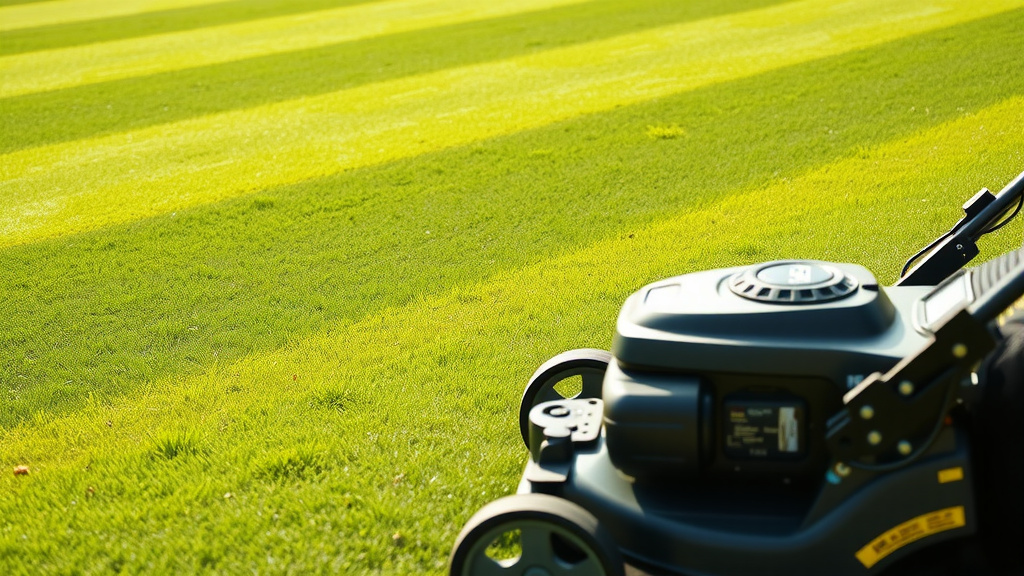
Finding out how to mow a lawn on YouTube can offer excellent visual guides and practical demonstrations, helping you master yard care techniques quickly. These videos often break down complex tasks into simple steps, making lawn maintenance accessible for everyone.
Many instructional videos on YouTube showcase everything from choosing the right mower to creating perfect stripes, guiding you through the essential steps to achieve a healthy and beautiful lawn.
Here’s a quick rundown of what you’ll learn in this guide, helping you get that perfect lawn:
- Mastering the art of proper grass cutting techniques.
- Choosing the right mowing height for a healthier yard.
- Understanding when to mow for optimal growth and appearance.
- Avoiding common mistakes that can harm your grass.
- Getting tips on creating those admired lawn stripes.
How To Mow A Lawn Youtube?
Many YouTube videos show you exactly how to mow a lawn effectively, often focusing on technique, equipment, and timing. These visual guides are great for beginners and experienced homeowners alike.
You’re ready to tackle your lawn, aren’t you? That feeling of a freshly cut yard is hard to beat. But maybe you’ve watched a few videos and still feel a little lost. Don’t worry, we’re here to guide you through it all.
We understand that turning a patchy yard into a vibrant green space takes effort. It’s not just about pushing a machine. It’s about understanding your grass and giving it what it needs.
Why Bother with a Good Mow?
A well-mown lawn isn’t just about looking neat. It actually promotes healthier grass growth. Cutting your lawn correctly helps it become more resilient against pests and diseases.
Think of it like giving your lawn a good haircut. It encourages the individual grass blades to thicken and spread. This leads to a denser, greener turf that feels great underfoot.
Getting Your Gear Ready
Before you even start the engine, let’s talk about your mower. Is it a push mower, a riding mower, or maybe a zero-turn beast? No matter the type, some basics apply to all.
The first step for any successful mow is making sure your equipment is in top shape. A well-maintained mower makes the job easier and delivers better results. You want a smooth operation, right?
Sharp Blades Make All the Difference
A dull blade rips and tears grass, leaving jagged edges. This makes your lawn look ragged and leaves the grass susceptible to disease. A sharp blade, conversely, makes a clean cut.
Many experts say a clean cut heals faster, just like a paper cut heals quicker than a ragged tear (University of Maryland Extension). Aim to sharpen your blades once or twice per season, depending on how often you mow.
Quick Safety Check
Before every mow, take a minute for safety. Are all guards in place? Is the fuel topped up for gas mowers? Is the cord safe for electric models? Safety always comes first.
Always wear closed-toe shoes and eye protection. Small debris can fly up unexpectedly. Trust us, it’s not worth the risk for such a simple precaution.
Choosing the Right Mowing Height
This is where many people go wrong. Cutting your grass too short can stress it out. It weakens the roots and invites weeds to take over.
The general rule we found is the “one-third rule.” You should never remove more than one-third of the grass blade’s total height in a single mowing session (Purdue University Extension). If your grass is 6 inches tall, cut no more than 2 inches off.
Different grass types prefer different heights. Cool-season grasses like fescue often prefer 2-3 inches, while warm-season grasses such as Bermuda might like 1-2 inches. Research your specific grass type for the best advice.
The Perfect Mowing Pattern
Do you just wander aimlessly? Or do you have a method to your madness? A consistent pattern helps you avoid missing spots and creates that professional, striped look.
We often recommend starting with a perimeter pass, then mowing in straight, overlapping lines. Overlap each pass by a few inches to ensure even coverage. Think of it like painting a floor.
Mowing Patterns: A Quick Look
| Pattern Name | Description | Benefit |
|---|---|---|
| Striping | Mow in straight, parallel lines. Turn and overlap. | Creates a visually appealing striped effect. |
| Perimeter | Mow around the edge of the lawn once or twice. | Helps define the area, easier turns for subsequent passes. |
| Criss-cross | Mow in stripes, then repeat at a 90-degree angle. | Even cutting, prevents grass from leaning in one direction. |
Changing your pattern each time you mow also helps prevent ruts. It encourages grass to stand upright, rather than leaning the same way every week. Mix it up a little!
Don’t Forget the Edges!
A sharp, clean edge around flower beds and walkways really elevates your lawn’s appearance. Your mower can’t always get right up to those spots.
This is where a string trimmer or edger comes in handy. Use it to create crisp lines where your lawn meets other surfaces. It’s the finishing touch that shows you truly care about your yard.
When Should You Mow?
Timing isn’t everything, but it’s certainly a lot. Mowing at the right time of day and with the right frequency can make a huge difference in your lawn’s health.
Many lawn care professionals suggest mowing in the late morning or late afternoon. This avoids the heat of midday, which can stress freshly cut grass. Plus, the grass is usually dry by then.
What About Wet Grass?
Avoid mowing wet grass if possible. Wet clippings clump together, clog your mower, and can smother your lawn. They also stick to the underside of the deck, which isn’t fun to clean.
Also, a wet lawn can be slippery, posing a safety risk. It’s better to wait for a dry day. Patience is a virtue in lawn care, just like in many aspects of life.
Clippings: To Bag or Not to Bag?
This is a common question, and there’s a good answer for most situations. For a healthy lawn, mulching the clippings back into the turf is generally best.
Finely chopped clippings provide natural nitrogen and organic matter back to your soil. This acts as a free fertilizer, feeding your lawn. It’s a sustainable practice we encourage.
When should you bag? If the clippings are too long or thick, or if your lawn has a lot of weeds going to seed. In these cases, bagging can prevent weed spread and excessive thatch buildup.
Seasonal Mowing Tips
Your lawn’s needs change with the seasons. Adjusting your mowing routine can help it thrive year-round.
- Spring: As grass starts growing rapidly, you might need to mow more frequently. Gradually lower your cutting height to your ideal summer height.
- Summer: Maintain your desired cutting height. Mow early morning or late afternoon to reduce stress from heat.
- Fall: Gradually raise your cutting height for the last few mows of the season. This leaves longer blades to protect the crown of the grass over winter.
Common Mowing Mistakes to Avoid
Even seasoned lawn enthusiasts can make errors. Here are some pitfalls to steer clear of:
Here’s a quick checklist to help you avoid common mistakes and keep your lawn looking fantastic:
- Cutting Too Short: Remember the one-third rule. Scalping your lawn stresses it out.
- Dull Blades: Always ensure your mower blades are sharp for a clean cut.
- Mowing When Wet: Avoid this; it’s bad for your mower and your lawn.
- Same Pattern Every Time: Vary your mowing pattern to prevent compaction and ruts.
- Ignoring Obstacles: Clear sticks, rocks, and toys before you start to prevent damage.
Beyond the Basics: Advanced Tips
Once you’ve mastered the fundamentals, you might wonder about tougher spots. What about those tricky slopes or persistent weeds?
For slopes, mow across the slope, not up and down, to reduce the risk of accidents (Consumer Reports). If it’s a very steep slope, a string trimmer might be a safer option.
Proper mowing can help suppress weeds, but it’s not a magic bullet. Regular, consistent mowing at the correct height encourages dense grass that crowds out weeds. It’s about giving your grass a competitive edge.
Conclusion
Mowing your lawn well is more than just a chore; it’s an art and a science that significantly impacts your home’s curb appeal and the health of your turf. By following these guidelines, you’re not just cutting grass; you’re cultivating a vibrant outdoor space.
Remember to keep your blades sharp, adjust your cutting height appropriately, and vary your mowing pattern. These simple steps, easily found and reinforced through YouTube tutorials, will help you achieve a lawn you can truly be proud of. Happy mowing!
How often should I mow my lawn?
The frequency depends on your grass type, growth rate, and the season. During peak growing seasons like spring, you might mow once a week. In drier or slower growth periods, every two weeks could be enough. The key is to never cut off more than one-third of the grass blade at once.
Is it better to bag or mulch grass clippings?
For a healthy lawn, mulching clippings back into the turf is generally preferred. The finely chopped clippings return nutrients to the soil, acting as a natural fertilizer. Bagging is best when the grass is very tall, full of weeds, or if you’re trying to prevent thatch buildup.
What is the ideal grass height for my lawn?
The ideal height varies by grass type, but most lawns thrive when kept between 2.5 to 3.5 inches. Cool-season grasses often prefer a bit taller, while warm-season grasses can be shorter. Taller grass shades the soil, retains moisture, and helps suppress weeds.
Can I mow my lawn right after it rains?
It’s generally not recommended to mow a lawn immediately after it rains. Wet grass can clog your mower, result in uneven cuts, and leave unsightly clumps. Mowing wet grass can also be more dangerous as it’s slippery, and it can track disease if you cut too close.
How do I get stripes on my lawn like a baseball field?
Creating stripes involves bending the grass blades in different directions using your mower’s rollers or even a simple roller attachment. Mow in straight, parallel lines across your lawn, then make an immediate turn and mow another parallel line in the opposite direction. This bends the grass differently, reflecting light to create the striped effect.
