
How To Mow A Very Small Lawn?
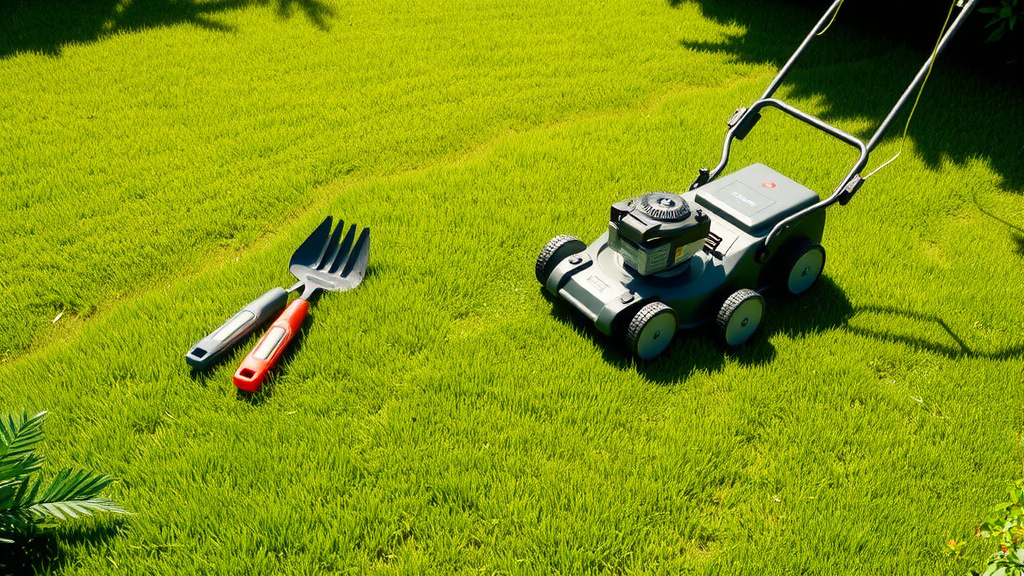
To mow a very small lawn effectively, choose a compact tool like a reel mower, electric push mower, or even a string trimmer. These options offer excellent maneuverability and are ideal for navigating tight spaces and small patches of grass.
Always prioritize safety by clearing debris, setting the correct blade height, and employing overlapping passes to achieve an even cut on your petite lawn.
Here’s a quick overview of how to tackle your small lawn:
- Pick the right tool: Reel, electric, or robotic mowers are best for tiny spaces.
- Prepare your lawn: Clear debris and set the correct cutting height.
- Use proper technique: Overlapping passes ensure an even, healthy cut.
- Maintain your mower: Simple care extends its life and keeps your lawn looking great.
- Keep it healthy: Regular watering and feeding are still key for lush grass.
How To Mow A Very Small Lawn?
Mowing a very small lawn requires choosing the right equipment and employing efficient techniques to ensure a healthy, tidy yard. It’s often simpler than you think, focusing on precision and ease of use.
Understanding Your Tiny Turf
Your small lawn might feel like a postage stamp, but it still deserves proper care. We know it can be tricky to figure out the best approach for these unique spaces.
What Defines a “Very Small” Lawn?
Generally, a very small lawn measures under 1,000 square feet. Think of it as a small backyard patch, a narrow strip beside a driveway, or even just the front square of a townhouse. These spaces rarely need the heavy-duty power of large mowers.
Choosing the Perfect Mower for Small Spaces
Selecting the right mower is your first, and perhaps most important, step. You want something that’s easy to handle, stores well, and gets the job done without fuss.
Manual Reel Mowers: The Classic Choice
These mowers are fantastic for small lawns. They are quiet, eco-friendly, and lightweight. They cut with a scissor-like action, which is often healthier for the grass blades. Plus, they require no gas or electricity.
Electric Mowers: Corded or Cordless?
Electric mowers are popular for smaller yards. Corded electric models offer unlimited runtime but require managing a power cord. Cordless (battery-powered) electric mowers give you freedom of movement, though you’ll need to monitor battery life.
Robotic Mowers: The Future is Here
For the ultimate hands-off experience, a robotic mower is a dream. These small devices navigate your lawn automatically, clipping tiny bits of grass daily. They are perfect for consistent maintenance without any effort from you.
Compact Gas Mowers: When You Need More Power
While usually overkill for “very small” lawns, some compact gas mowers exist. They are typically push models, offering more power for thicker grass. Remember, they require fuel and more maintenance than electric or reel options.
| Mower Type | Best For | Pros | Cons |
|---|---|---|---|
| Manual Reel | Tiny, flat lawns | Quiet, no fuel, clean cut, light | Requires effort, no tall grass |
| Electric Corded | Small to medium, near outlet | Light, less noise, no fuel, reliable power | Cord management, limited range |
| Electric Cordless | Small to medium, mobility needed | Portable, quiet, no fuel, easy start | Battery runtime, charging time |
| Robotic | Hands-off, consistent care | Autonomous, quiet, always tidy | Initial cost, boundary setup |
| Compact Gas | Small with thick grass | More power, no cords | Noisier, fuel needed, more maintenance |
Preparing Your Small Lawn for Mowing
A little preparation goes a long way, even for a tiny patch of green. Taking a few moments beforehand makes the mowing process smoother and safer for everyone.
- Clear the area: Walk your lawn and remove any toys, sticks, rocks, or other debris. These can damage your mower blades or become dangerous projectiles.
- Check for moisture: Avoid mowing when the grass is wet. Wet grass clumps, clogs your mower, and can lead to an uneven cut (University of California Agriculture and Natural Resources).
- Adjust blade height: Set your mower blades to the correct height. For most turf grasses, aim for 2.5 to 3 inches high. Cutting too short stresses the grass.
- Inspect your mower: Briefly check blades for sharpness and ensure all components are secure. Sharp blades make a clean cut, promoting healthier grass.
Effective Mowing Techniques for Small Lawns
Just because your lawn is small doesn’t mean technique isn’t important. Smart mowing ensures a beautiful, uniform look without extra effort. Think of it like a delicate art.
The “Less is More” Approach
When you mow, aim to remove only one-third of the grass blade’s length at a time. This practice, often called the “one-third rule,” keeps your grass robust and resistant to disease and weeds (Purdue Extension). It’s better for the lawn’s long-term health.
Dealing with Tight Corners and Edges
Small lawns often have tricky spots. For tight corners, consider a smaller trimmer or edger to achieve a crisp line. Mowing in overlapping passes helps create a clean, even finish across the main area. You might even mow in a spiral pattern from the outside in.
Quick Mower Maintenance for Small Yards
Even small mowers need a little love. Regular, simple maintenance extends their life and keeps them running efficiently. It also ensures you get a clean, healthy cut every time.
After each use, brush off any grass clippings from the deck and blades. For electric models, keep the battery charged. For reel mowers, a quick wipe-down prevents rust. Many experts say a clean mower is a happy, long-lasting mower.
Beyond Mowing: Keeping Your Small Lawn Healthy
Mowing is just one piece of the puzzle. Even a tiny lawn benefits from consistent care. Thinking about the overall health of your grass will lead to a lusher, greener look you’ll love.
Water your lawn deeply but infrequently, encouraging strong root growth. Consider a light fertilization schedule in spring and fall. These simple steps make a big difference, creating a vibrant, inviting space right outside your door.
Conclusion
Mowing a very small lawn doesn’t have to be a chore. By choosing the right compact tool, whether it’s a silent reel mower, a convenient electric model, or a futuristic robot, you simplify the process. A little preparation and proper technique go a long way towards a neat, healthy lawn. Your small patch of green can be just as impressive and inviting as any larger yard with the right approach.
How often should I mow a very small lawn?
For most small lawns, mowing once a week during the growing season is usually sufficient. If your grass grows very quickly or you prefer a pristine look, you might mow every five days. Always aim to follow the one-third rule for optimal grass health.
Can I use a string trimmer instead of a mower for a tiny lawn?
Yes, for truly tiny patches of grass, a string trimmer can be a practical substitute for a traditional mower. It offers excellent maneuverability for tight spaces and along edges. However, it can be harder to achieve a perfectly even cut over larger, flat areas compared to a mower.
What is the ideal grass height for a small lawn?
The ideal grass height typically ranges from 2.5 to 3 inches for most cool-season grasses and slightly shorter for some warm-season varieties. Maintaining this height encourages deeper root growth, making your lawn more resilient to stress and weeds (Cornell University Cooperative Extension).
Do small lawns still need fertilization?
Yes, even small lawns benefit from proper fertilization. A balanced fertilizer applied in the spring and fall provides essential nutrients for strong growth and a vibrant green color. Soil testing can help you determine the specific needs of your lawn, ensuring you don’t over or under-fertilize.
How do I store a small lawn mower in a limited space?
Small mowers are generally easy to store. Manual reel mowers can often be hung on a garage wall. Many electric push mowers have folding handles, allowing them to stand upright or lie flat, fitting into compact sheds, corners, or even closets. Robotic mowers usually return to their small charging dock.
