
How To Mow Lawn Near Fence?
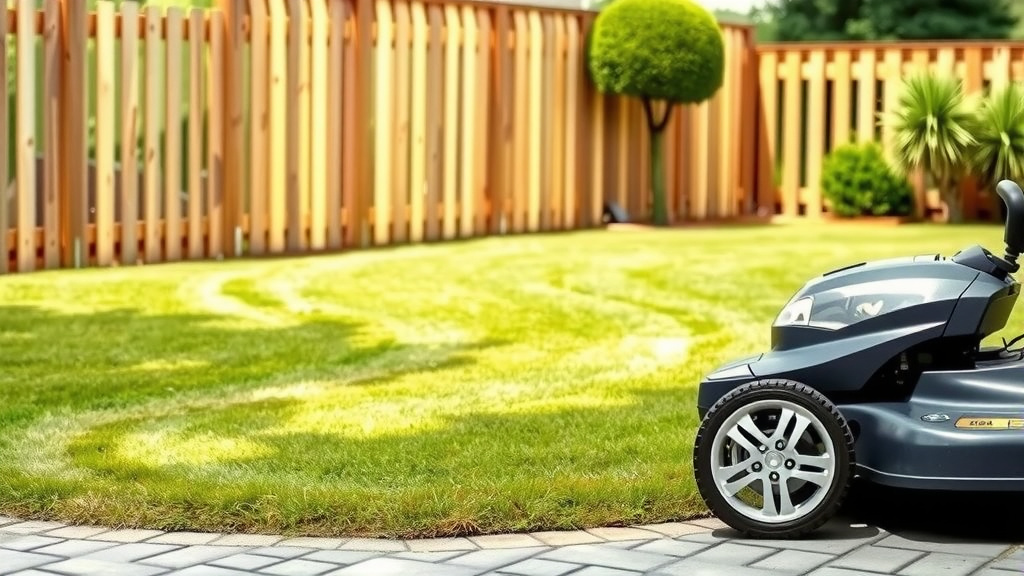
To effectively mow your lawn near a fence, first clear any debris, then use a string trimmer or a small push mower for precision. Always adjust your mower’s cutting height to avoid damaging the fence or scalping the grass.
Always approach fence lines slowly, using smaller tools or specific mowing techniques to ensure a clean cut without causing harm to your property or yourself.
- Get a clean cut near your fence by choosing the right tools.
- Prioritize safety with clear pathways and protective gear.
- Adjust your mowing technique based on your fence type.
- Consider edging and trimming for a professional finish.
- Regular maintenance keeps your fence line looking neat and tidy.
How To Mow Lawn Near Fence?
Mowing your lawn near a fence requires careful planning and the right tools to achieve a clean look without damage. You need precision and a gentle touch.
Why Mowing Near Fences is Often Tricky
Fences present unique challenges for lawn care. They create tight spaces where larger mowers struggle to reach. This often leaves unsightly patches of uncut grass.
Also, hitting a fence with your mower can damage both the fence and your equipment. Safety is a big concern for you and your property (Consumer Reports).
Essential Pre-Mowing Checks You Must Do
Before you even start your mower, take a quick walk along your fence line. Clear away any sticks, toys, or rocks that might be hiding. These can become dangerous projectiles.
Check for exposed roots or uneven ground that could trip you. A smooth path makes mowing safer and more efficient for everyone.
Choosing Your Tools: Mower Types for Fence Lines
The right tool makes all the difference. While a large riding mower handles open spaces, it’s not ideal for fences. You need something more agile.
| Tool Type | Best For | Pros | Cons |
|---|---|---|---|
| String Trimmer | Tight spots, edging | Precise, good for vertical cuts | Can damage fence if not careful |
| Small Push Mower | Straight fence runs | Good control, even cut | Still leaves some gaps |
| Zero-Turn Mower | Large properties with curves | Fast, turns on a dime | Difficult in very tight corners |
| Manual Reel Mower | Small lawns, eco-friendly | Quiet, very precise | More physical effort required |
As you can see, each tool has its benefits. Many experts suggest combining tools for the best results, often a mower and a string trimmer (Lawn Care Academy).
Mastering Different Mowing Techniques
How you mow is just as important as what you mow with. Slow and steady wins the race near fence lines. Don’t rush these delicate areas.
Consider starting with the fence line first. This sets a clean edge and helps you visualize the rest of your mowing pattern. You might be surprised at the difference it makes.
The “Mower Strip” Technique for Success
Try mowing one or two passes parallel to the fence first. This creates a “mower strip” that’s easier to manage. You then cut the rest of the lawn perpendicular to this strip.
This technique prevents you from having to maneuver your large mower against the fence repeatedly. It reduces wear and tear on your equipment and your fence.
When to Bring Out the String Trimmer
A string trimmer, or weed wacker, is your best friend for fence lines. It reaches where mowers can’t. Think of it as your finishing tool.
Use it after mowing to clean up any stragglers along the fence base. This gives a very professional, neat appearance to your entire lawn (Gardener’s World).
Protecting Your Fence: Tips and Tricks
Your fence is an investment, so protect it. Adjust your string trimmer’s angle to avoid hitting the fence directly. Too much direct contact can cause damage.
For wooden fences, avoid prolonged exposure to grass clippings. This can contribute to moisture and rot over time. Regular cleaning is a good practice.
Specific Advice for Different Fence Materials
- For wooden fences, keep string trimmer lines low. Avoid gouging the wood.
- Near vinyl fences, be gentle. High-speed lines can scratch the surface.
- With metal fences, watch for snagging your trimmer line on posts or wires.
- For stone or brick fences, direct contact with any mower can cause chips.
Remember, your fence also helps define your property. Treat it with care during your lawn maintenance routine. You’ll thank yourself later.
Safety First: Always Wear Protective Gear
Mowing is not just about a pretty lawn; it’s also about staying safe. Always wear safety glasses to protect your eyes from debris.
Closed-toe shoes are a must to protect your feet. Some research suggests wearing hearing protection, especially when using gas-powered equipment (OSHA guidelines).
Consider Edging Tools for a Pristine Finish
Beyond trimming, an edger can create a super crisp line where your lawn meets the fence. This is a step above just mowing and trimming.
Edgers slice vertically, separating the grass from the fence line or sidewalk. This adds a polished, clean look to your yard’s perimeter.
Post-Mowing Clean-Up: Don’t Forget It!
After you’ve finished mowing and trimming, take a moment to clean up. Blow or rake any grass clippings away from the fence base.
Leaving clippings piled up can create moisture, which might attract pests or lead to rot for wooden fences. A clean base is a happy base.
Long-Term Strategies for Easier Fence Line Mowing
Thinking ahead can save you effort. Consider creating a small gravel or mulch border along the fence. This eliminates grass in that area entirely.
Another idea is to plant low-maintenance ground cover that doesn’t need frequent mowing. This means less work for you in the long run.
Your Fence Line Mowing Checklist
- Clear debris from the fence line.
- Wear all necessary safety gear.
- Choose the right mower for the job.
- Use a string trimmer for precision.
- Clean up clippings afterwards.
- Consider long-term landscaping solutions.
Conclusion
Mowing near a fence doesn’t have to be a chore. By using the right tools, employing smart techniques, and prioritizing safety, you can achieve a perfectly manicured lawn. You will protect your property and enjoy your outdoor space even more. Your efforts will truly pay off with a beautifully maintained yard.
Frequently Asked Questions
What’s the best height to cut grass near a fence?
Many experts recommend keeping your grass around 2.5 to 3 inches tall near a fence. This helps prevent scalping, especially if the ground is uneven, and also offers some protection against weeds. Taller grass can also better withstand environmental stresses.
Can I use a riding mower close to a fence?
While you can use a riding mower for most of your lawn, it’s generally not the best choice for very tight spots right against a fence. Their size and turning radius make it hard to get a precise cut without risking damage. Save the closest work for smaller mowers or trimmers.
How do I prevent my string trimmer from damaging my fence?
To avoid fence damage, hold your string trimmer at a slight angle, aiming the line parallel to the ground rather than directly at the fence. Keep the trimmer line away from direct contact with the fence material itself. Adjust your speed and stay focused on the cutting area.
Are there any low-maintenance alternatives to mowing right against the fence?
Absolutely! You could install a narrow border of mulch or gravel along the fence line. Another option is planting low-growing, non-spreading ground cover plants that don’t need regular mowing. These options reduce the need for constant trimming and maintenance.
How often should I trim around my fence line?
Generally, you should trim around your fence line every time you mow your lawn to maintain a consistent, neat appearance. However, if your grass grows slowly, you might be able to stretch it to every second mow. Consistency prevents overgrown areas from becoming harder to manage.
