
How To Mow Lawn With Sprinkler System?
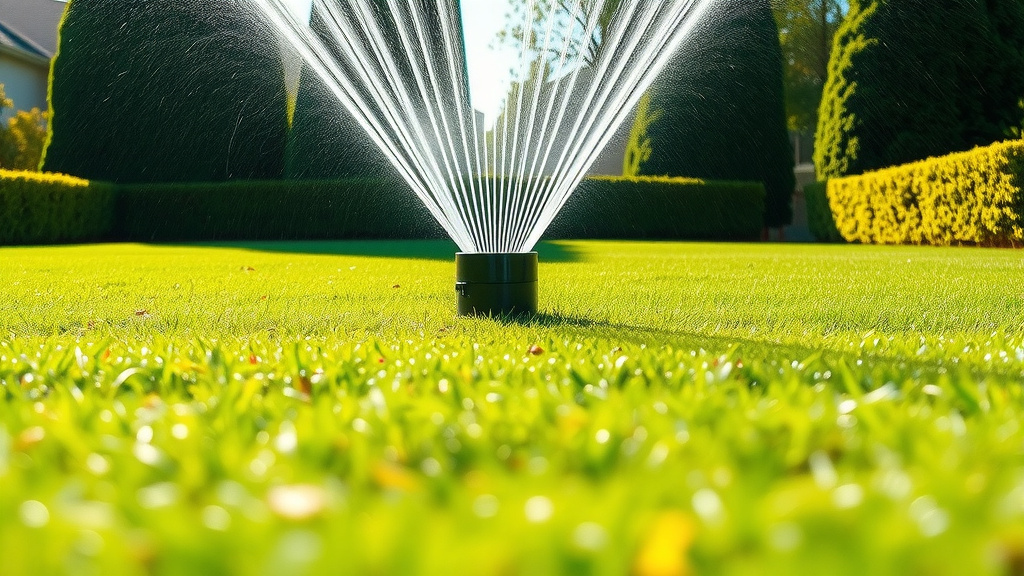
To mow a lawn with a sprinkler system, always ensure sprinkler heads are retracted or clearly marked before starting. It is best to mow when the lawn is dry and the sprinkler system is turned off to prevent damage and ensure a clean cut.
Always know your sprinkler head locations and consider lowering pop-up heads slightly if they sit too high. Plan your mowing schedule around your watering schedule, ideally cutting the grass before your irrigation cycle begins.
- Understand your sprinkler system layout.
- Always mark sprinkler heads, especially new or hidden ones.
- Mow your lawn when it’s completely dry.
- Lower any pop-up sprinkler heads that sit too high.
- Inspect for damage after each mowing session.
How To Mow Lawn With Sprinkler System?
Mowing a lawn with a sprinkler system can feel like a balancing act, right? The key is careful preparation and timing. You want to protect your valuable irrigation system while still getting a perfectly manicured lawn.
Why Even Care About Sprinkler Heads?
Think of your sprinkler heads as delicate eyes peering from your lawn. A mower blade hitting a head can cause significant damage. This means costly repairs for you, and sometimes even water waste if the head breaks.
Research shows that improper mowing is a leading cause of sprinkler system malfunctions (Irrigation Association). Taking a few extra steps prevents big headaches later.
Timing is Everything: When to Mow
You wouldn’t want to mow a wet lawn, would you? Not only is it messy, but it’s also riskier for your sprinklers. Dry conditions are always your best friend when mowing near irrigation.
Mow Before Your Scheduled Watering
This is a golden rule. Plan your lawn mowing for a day or two before your sprinkler system is set to run. This ensures the ground and any pop-up heads are completely dry.
Many experts say that cutting dry grass is easier on your mower too (University Extension). Plus, it prevents grass clippings from sticking to your sprinkler heads.
Avoid Wet Grass for Best Results
Mowing wet grass can clog your mower, lead to uneven cuts, and promote turf diseases. When the ground is wet, sprinkler heads are more likely to be pushed down into soft soil, making them harder to spot.
A dry lawn means better visibility and less chance of accidental strikes. It’s simply a safer approach for both you and your system.
Locating Your Sprinkler System Components
Do you know exactly where every sprinkler head is? Taking a moment to find them can save you a lot of trouble. This step is like knowing the road ahead before you drive.
Marking Heads for Easier Identification
For high-traffic areas or newly installed systems, consider using small flags. Garden flags, often brightly colored, can make each head stand out. This is a simple, low-cost way to boost visibility.
You can remove the flags just before you mow. They serve as a quick reminder of where to be extra careful.
Map Your System if You Can
For more complex systems, having a simple diagram can be a lifesaver. This doesn’t need to be professional. A hand-drawn sketch showing zones and head locations is perfectly fine.
We found that homeowners with system maps experience fewer unexpected repairs. It makes troubleshooting much easier too.
Adjusting Sprinkler Heads for Mowing
Sometimes, sprinkler heads sit just a little too high. This can make them easy targets for your mower deck. A small adjustment can make a big difference.
Lowering Pop-Up Heads Safely
Pop-up heads are designed to retract. However, sometimes they don’t fully go down or are installed a bit too high. You might need to carefully dig around them to lower them slightly.
Use a small trowel to remove a bit of soil underneath. Then, gently push the head down to ground level. Ensure it’s still flush with the turf when retracted.
What About Fixed Heads?
Fixed spray heads are less common in lawns but do exist. These cannot be lowered. For these, extra caution is needed. You’ll need to lift your mower deck or use a string trimmer around them.
Consider replacing fixed heads in mowing areas with pop-up models if it’s a constant problem. This upgrade can save you future hassle.
Mowing Techniques Around Sprinklers
Your mowing style plays a huge role in protecting your sprinklers. It’s not just about finding them; it’s about how you approach them.
Go Slow and Be Mindful
When you get near a marked or known sprinkler head, slow down. Take your time. Imagine them as tiny obstacles you need to carefully navigate around, not over.
Many lawn care professionals emphasize a mindful approach around all lawn fixtures. It prevents accidental collisions with rocks, edging, and of course, sprinklers.
Use a Smaller Mower or Trimmer
For very tight spots or areas with many heads, consider a different tool. A walk-behind mower might be too large or clumsy. This is where a string trimmer or even a small push reel mower shines.
These tools offer greater precision, allowing you to cut around the heads without direct contact. You get a neat finish without risking damage.
Post-Mowing Checks for Your System
You’ve finished mowing, but your work isn’t quite done. A quick check afterward can catch any potential issues before they become bigger problems.
Inspect for Any Damage
Walk your lawn again, focusing on areas with sprinklers. Look for any broken heads, loose parts, or signs of impact. Sometimes, a head might be cracked but not obviously broken.
Catching minor damage early prevents larger system failures. It’s a proactive step that saves repair costs (Lawn Institute).
Test Your Sprinklers Briefly
Turn on each zone of your sprinkler system for a minute or two. Observe the spray patterns. Are they normal? Is any water gushing out? Does a head seem to be malfunctioning?
This quick test confirms everything is still working correctly. It’s peace of mind after your mowing efforts.
Common Mistakes to Avoid
Nobody wants to make avoidable errors. Let’s look at a few things that often trip up homeowners when mowing around sprinklers.
- Mowing when wet: Wet grass makes heads slippery and hard to see.
- Rushing the job: Speed leads to carelessness and higher risk of impacts.
- Ignoring visible heads: Don’t assume you “missed” them if you don’t see them.
- Not marking hidden heads: What you can’t see, you can easily hit.
- Neglecting post-mowing checks: Small damage can become a huge leak.
Tools That Make Life Easier
Sometimes, a few simple items can vastly improve your mowing experience. These are not fancy gadgets, just practical helpers.
| Tool | Why It Helps | When To Use It |
|---|---|---|
| Small Garden Flags | Visually mark sprinkler heads clearly. | Before mowing, especially in new areas. |
| Hand Trowel | Carefully dig and lower high sprinkler heads. | When a head sits above the turf line. |
| String Trimmer | Precise cutting around fixed or sensitive heads. | For tricky spots where a mower is too large. |
| System Map | Visual guide to all sprinkler locations. | Planning mowing, troubleshooting. |
Conclusion
Mowing a lawn with a sprinkler system doesn’t have to be a stressful task. By taking a few extra minutes for preparation and careful execution, you can keep both your lawn looking great and your irrigation system intact. Remember, awareness and a little patience go a long way. Your healthy, well-watered lawn will thank you for the effort!
How often should I check my sprinkler heads for damage?
It’s best practice to check your sprinkler heads for damage after every mowing session. A quick walk-through of your lawn’s irrigation zones can help you spot any issues early, preventing more extensive and costly repairs down the line. Regular seasonal checks are also recommended to ensure optimal performance.
Can I just mow over my pop-up sprinkler heads?
While pop-up sprinkler heads are designed to retract, it’s not ideal to consistently mow directly over them. If they are not fully retracted or if your mower deck is set too low, you risk hitting and damaging the heads. Always try to lift your mower deck slightly or navigate around them to minimize impact risk.
What should I do if I accidentally hit a sprinkler head?
If you accidentally hit a sprinkler head, immediately turn off your irrigation system at the main valve or controller. Inspect the damage to determine if it’s a simple fix, like a broken nozzle, or if the entire head needs replacement. Prompt repair is crucial to prevent water waste and further system issues.
Is it better to hand-trim around sprinkler heads instead of mowing?
Many lawn care experts suggest hand-trimming or using a string trimmer around sprinkler heads, especially in areas where heads are numerous or difficult to see. This method offers greater precision and significantly reduces the risk of accidental damage compared to using a larger lawn mower. It ensures a clean cut without the danger.
How high should my sprinkler heads be relative to the lawn?
Ideally, when retracted, your pop-up sprinkler heads should be flush with the lawn surface. This minimizes the risk of them being hit by a mower. If a head sits noticeably above the turf, it might need adjustment by carefully digging around it and lowering it slightly to sit level with the ground.
