
How To Mow Lawn Without Mower?
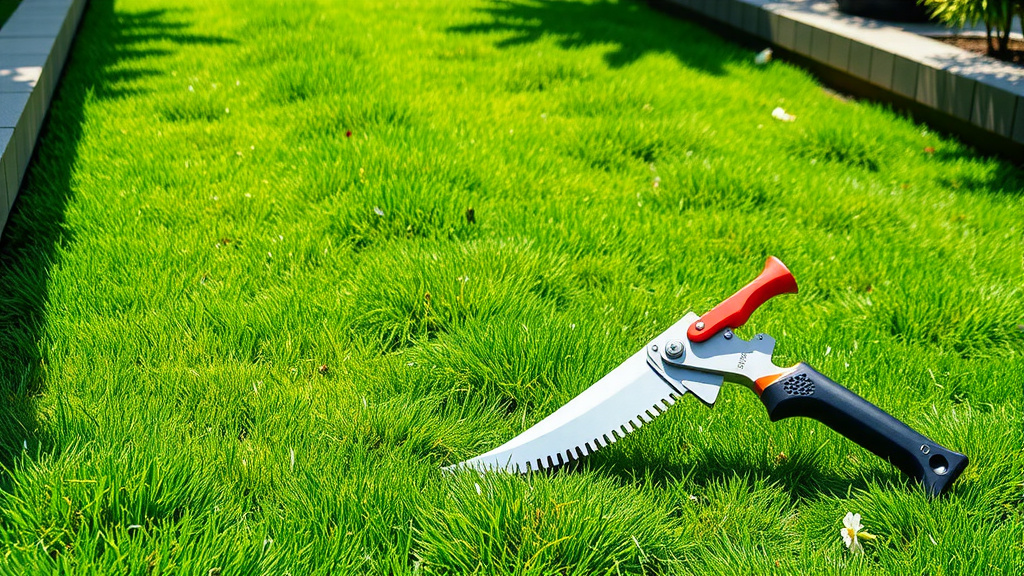
You can mow your lawn without a traditional mower by using manual tools like a scythe, hand shears, or a string trimmer for smaller areas. These methods offer effective alternatives when a power mower isn’t available or preferred.
Approaches to mow lawn without mower vary from using hand tools for precision work to adopting grazing animals for larger, rustic plots, each requiring different levels of effort and time.
- You can tackle overgrown grass using hand tools such as a scythe for larger areas or shears for detailed work.
- String trimmers, often called weed whackers, are surprisingly effective for cutting down taller grass if used correctly.
- Consider eco-friendly alternatives like encouraging natural ground cover or even temporarily hiring a professional service.
- Safety is paramount with any manual method; always clear debris and wear appropriate protective gear.
- Regular maintenance, even without a mower, keeps your lawn tidy and manageable, preventing overgrowth.
How To Mow Lawn Without Mower?
Mowing your lawn without a mower might sound like a huge task, but it’s absolutely doable with the right tools and a bit of effort. You have several practical options, from traditional hand tools to more modern, non-mower approaches.
Why Go Mower-Free? Unexpected Benefits!
Sometimes, a mower isn’t an option. Maybe it’s broken, or you’re short on space. But there are also some surprising perks to going mower-free.
The Sound of Silence
Imagine your lawn care routine without the roar of an engine. You get to enjoy the birdsong and the peace of your own backyard. It’s a genuinely calming experience.
A Workout in Disguise
Working with hand tools gives you a fantastic full-body workout. You’re building strength and burning calories, all while making your yard look great. It’s like a gym membership with a view.
Eco-Friendly Lawn Care
No gas means no emissions. Using manual methods significantly reduces your carbon footprint, making your lawn care routine much greener. Many experts praise this approach for its environmental kindness.
Manual Methods: Getting Down and Dirty
If you’re ready to roll up your sleeves, these manual methods are incredibly effective. They demand a bit more physical effort but offer great results.
The Humble Scythe: A Timeless Tool
The scythe is an ancient tool, still very effective for cutting large areas of tall grass. It takes some practice, but once you get the rhythm, it’s surprisingly efficient. We found that proper technique prevents back strain (University of Wisconsin-Madison Extension).
To use it safely, hold the handles firmly and swing in an arc, keeping the blade low to the ground. Always ensure no one is nearby when you’re swinging.
Shears and Scissors: For the Detail-Oriented
For smaller areas, or if you love precision, hand shears or even large sturdy scissors work wonders. This method is perfect for tidying up edges or tackling small patches of overgrown grass.
It’s a slower process, but you get incredibly neat results. Think of it as giving your lawn a very careful haircut.
Pruning Shears vs. Hedge Shears
Pruning shears are ideal for individual thick stalks, while hedge shears are better for wider swaths. Choose the right tool for the job to avoid hand fatigue and get a clean cut.
Weed Whacker or String Trimmer: Not Just for Edges
Often seen as an edging tool, a string trimmer can also cut down larger areas of grass. Hold it level, sweeping side to side, and let the string do the work. This method is much faster than shears.
Be careful not to scalp the lawn. Maintain a consistent height for an even finish. Many experts say to wear safety glasses and long pants when using a string trimmer.
Alternative Strategies: Beyond Manual Labor
Sometimes, your lawn needs can’t be met by hand tools alone. Here are some other solutions to consider.
Embrace the “No-Mow” Zones
Instead of battling every blade, consider redesigning parts of your yard. You could create beautiful wildflower meadows or plant low-maintenance ground covers. This reduces the area you actually need to “mow.”
This approach saves you time and also creates a habitat for local wildlife. It’s a win-win for you and nature.
Hire a Professional Service (Temporarily)
If your mower is out of commission and your lawn is getting out of hand, a temporary professional service can be a lifesaver. They can get things back in order quickly, giving you time to fix your own equipment.
This is a great option for a one-time clean-up when you’re overwhelmed. You can then resume your manual methods.
Consider Grazing Animals (If You Dare!)
For very large, rural properties, animals like goats or sheep can be natural lawn mowers. They love to munch on grass and weeds, keeping areas clear. This isn’t for everyone, of course!
You’ll need to research local ordinances and ensure you have proper fencing and care for the animals. It’s certainly a unique solution!
Preparing Your Lawn for Mower-Free Maintenance
Before you start any manual cutting, a little preparation goes a long way. This ensures safety and makes the job easier.
Clear Debris First
Walk your lawn and pick up any sticks, rocks, or toys. Hitting these with a scythe or string trimmer can be dangerous and damage your tools. A clean slate is a safe slate.
Assess Grass Type and Height
Different grass types respond differently to cutting. Taller, thicker grasses might need multiple passes or a more robust tool like a scythe. Shorter, finer grasses are easier to manage with shears.
Safety First: Always!
- Wear sturdy closed-toe shoes to protect your feet.
- Use heavy-duty gloves to prevent blisters and cuts.
- Put on safety glasses, especially when using a string trimmer.
- Keep children and pets away from the work area.
- Stay hydrated; manual labor can be tiring.
Comparing Mower-Free Methods
Here’s a quick overview to help you choose the best method for your situation.
| Method | Effort Level | Speed | Best Use Case |
|---|---|---|---|
| Scythe | High (physical skill needed) | Medium-Fast (once skilled) | Large areas of tall grass |
| Hand Shears/Scissors | Medium (repetitive) | Slow | Small patches, detailed edging |
| String Trimmer | Medium (arm strength) | Medium-Fast | Medium-sized lawns, taller grass |
| Grazing Animals | Low (after setup) | Varies (continuous) | Very large, rural, rough terrain |
| Professional Service | Very Low (zero physical) | Fast (by pros) | Emergency, temporary solution |
Tips for Long-Term Mower-Free Living
If you’re committed to a mower-free lifestyle, these tips will help you maintain a beautiful lawn consistently.
Regularity is Key
It’s much easier to cut grass when it’s just a little bit long, rather than waiting for it to become a jungle. Frequent, shorter cuts with manual tools are less taxing.
Sharpen Your Tools
A sharp scythe or pair of shears cuts cleanly and requires less effort. We found that dull blades tear grass, which can lead to disease. Regular sharpening makes a big difference in both effort and results (Ohio State University Extension).
Don’t Rush the Process
Manual lawn care is a slower, more deliberate activity. Take your time, enjoy the fresh air, and appreciate the physical work. Rushing can lead to uneven cuts or even injuries.
Conclusion
Mowing your lawn without a mower is a totally achievable goal, whether it’s a temporary fix or a long-term lifestyle choice. You can opt for the traditional artistry of a scythe, the detailed work of hand shears, or the efficiency of a string trimmer. Remember that a bit of preparation and regular effort will keep your lawn looking neat and tidy. Going mower-free not only offers a great workout but also helps you connect with your outdoor space in a more personal, eco-friendly way. Embrace the challenge, and you’ll soon find a rhythm that works for you and your lawn.
How do I maintain a large yard without a lawn mower?
For a large yard, consider using a scythe for efficiency, or a powerful string trimmer. You might also explore “no-mow” zones by planting ground covers or native grasses in some areas to reduce the overall cutting required.
Is cutting grass with scissors or shears practical?
Cutting grass with scissors or shears is practical for very small areas, detailed edging, or tidying up specific spots. It’s time-consuming for larger lawns but offers precise control and a quiet, emission-free method.
What are the safety precautions for manual lawn cutting?
Always wear sturdy shoes, gloves, and eye protection, especially with string trimmers. Ensure your tools are sharp and in good condition. Clear the area of debris, and keep children and pets away from your workspace.
Can I use a weed whacker (string trimmer) to cut my entire lawn?
Yes, you can use a string trimmer to cut your entire lawn, especially if it’s not too large. It requires more time and effort than a mower, but it’s effective. Maintain a consistent height for an even look and remember to take breaks.
Are there any environmental benefits to not using a lawn mower?
Absolutely. Not using a gas-powered lawn mower eliminates fuel consumption and harmful emissions, reducing air pollution. It also creates a quieter environment, and encourages more physical activity, contributing to a healthier lifestyle.
