
How To Mow Patterns In Your Lawn?
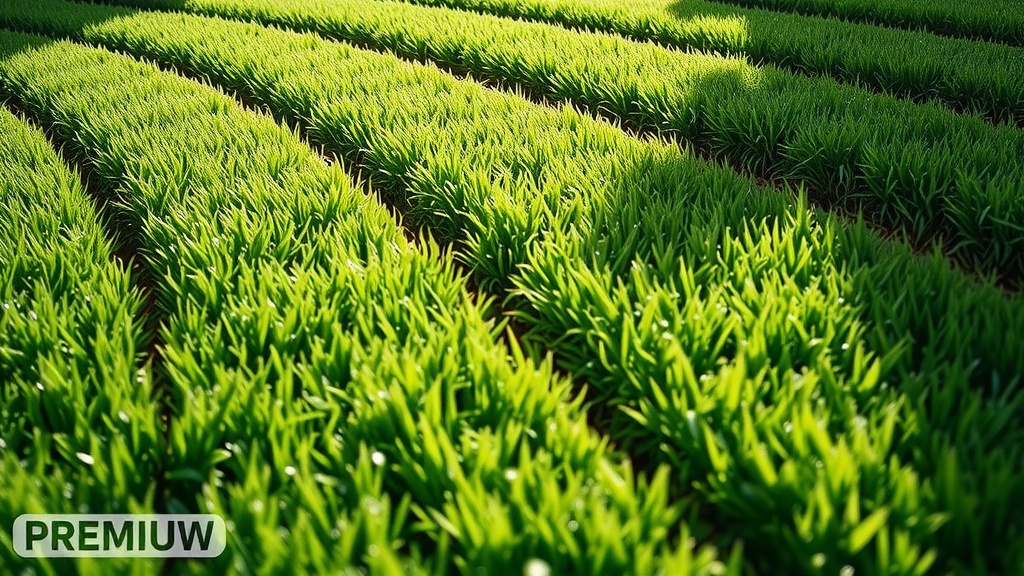
To mow patterns in your lawn, begin by ensuring your mower has a striping kit or a heavy roller, then plan your desired design. Start with parallel passes along the lawn’s edge, overlapping each pass slightly to create distinct lines.
The secret to crisp lawn patterns lies in the consistent direction of your mower and understanding how light reflects off bent grass blades, making one direction appear darker than the other.
Here’s a quick look at what we’ll cover to help you get those perfect stripes:
- Mastering patterns starts with the right equipment and a clear plan.
- Consistent mowing direction is key to making those stripes truly pop.
- We’ll explore various patterns, from classic stripes to fancy checkerboards.
- Discover the simple science behind why mown grass looks lighter or darker.
- Learn practical tips for maintaining your lawn and keeping patterns sharp.
How To Mow Patterns In Your Lawn?
Creating eye-catching patterns in your lawn is a fun way to elevate your yard’s curb appeal. It’s all about bending grass blades in different directions, causing light to reflect differently and creating a visual contrast.
Why Bother With Lawn Patterns?
Beyond looking amazing, patterns add a professional, groomed touch to your property. Many homeowners enjoy the artistic expression, turning a routine chore into a creative pursuit. Plus, it just feels good to have a beautiful lawn, right?
Understanding The Stripe Science
When you mow, your mower’s deck or a roller pushes the grass blades down. Grass bent away from you reflects more light, appearing lighter. Grass bent towards you reflects less light, appearing darker. This simple contrast creates those striking patterns.
Getting Your Gear Ready
You don’t need fancy, expensive equipment to start. Most standard mowers can make decent stripes with a little help. We’ve found that proper preparation is half the battle.
Mower Type Matters For Patterns
Rotary Mowers (With Attachments)
Most common household rotary mowers can create patterns. You might need a striping kit or a roller attachment. These easily connect to the back of your mower, gently bending the grass. Many experts say a heavy roller is essential for deep, lasting stripes.
Reel Mowers (Naturally Great)
Reel mowers naturally produce excellent stripes because they cut with a scissor-like action and often have a built-in roller. If you have one, you’re already ahead of the game!
Sharp Blades Are Non-Negotiable
Dull blades tear grass, leaving ragged edges that turn brown. This not only looks bad but can also make your patterns less clear. Research often connects sharp mower blades with healthier, greener grass (Purdue Extension).
Optimal Grass Height
For the best patterns, your grass needs to be long enough to bend. We found that mowing at 2.5 to 3 inches (or even slightly taller) works best. Shorter grass won’t bend as visibly, making patterns harder to see.
The Art of Mowing Patterns: Step-by-Step
Ready to turn your lawn into a work of art? Let’s walk through the steps. It’s like painting, but with grass!
Step 1: Prep Your Lawn
Before you even start the mower, clear your lawn of any debris. Toys, sticks, or rocks can damage your blades or disrupt your pattern. Ensure your grass is dry; wet grass clumps and dulls blades more quickly.
Step 2: Mow The Perimeter First
Begin by mowing one or two passes around the entire perimeter of your lawn. This creates a neat border and gives you space to turn your mower around without messing up your pattern. Think of it as framing your masterpiece!
Step 3: Choose Your Starting Line
Pick a straight edge of your lawn to start your first pattern pass. This pass will be your guide for all subsequent passes. Accuracy here is key for perfectly straight lines.
Step 4: Overlap Each Pass
Overlap each pass by a few inches. This ensures you cut all the grass evenly and helps smooth out the previous stripe. Many experts suggest overlapping by about 4 to 6 inches.
Step 5: Master Your Turns
When you reach the end of a pass, lift your mower deck slightly, make a tight turn within your perimeter passes, and align for the next pass in the opposite direction. Always remember to lower your deck gently before continuing.
Popular Lawn Patterns You Can Try
There are many designs you can create. Let’s look at some favorites.
Classic Stripes
This is the easiest to master. Simply mow in straight, parallel lines back and forth across your lawn. The alternating directions create the iconic light and dark stripes.
Checkerboard Pattern
To create a checkerboard, first mow classic stripes across your lawn. Once finished, repeat the process, but mow perpendicular to your first set of stripes. This creates a grid-like effect, appearing as squares of different shades.
Diamond Pattern
For diamonds, start by mowing a checkerboard pattern. Then, mow two additional passes diagonally across your lawn, from corner to corner. This adds another layer of depth, creating a stunning diamond effect.
Troubleshooting and Tips For Perfect Patterns
Don’t get discouraged if your first attempt isn’t golf course perfect. Practice truly makes patterns clearer.
- Stay Straight: Use a landmark or a string line as a guide if you struggle with straight lines.
- Patience Is Key: Take your time, especially on turns and when aligning new passes.
- Sunlight Direction: Observe your lawn from different angles and times of day. The sun’s position can dramatically affect how visible your patterns are.
- Grass Type Matters: Fescue, ryegrass, and bentgrass tend to show patterns best due to their flexible blades.
- Mower Speed: Maintain a consistent, moderate speed for the best striping results.
Comparing Mower Setup For Striping
Understanding how different setups affect your patterns can make a big difference.
| Mower Setup | Pattern Potential | Effort Level |
|---|---|---|
| Standard Rotary Mower | Subtle stripes, less defined | Low |
| Rotary Mower + Striping Kit | Good, clear stripes | Medium |
| Rotary Mower + Heavy Roller | Excellent, long-lasting stripes | Medium to High |
| Reel Mower | Outstanding, professional results | Low (built-in) |
Checklist Before You Start Mowing Patterns
A quick mental run-through can save you headaches later. We find a checklist helps keep things smooth:
- Is your mower blade sharp and balanced?
- Is your striping kit or roller properly attached?
- Is the grass dry, not wet or dewy?
- Is your chosen mowing height between 2.5 and 3 inches?
- Have you cleared all debris from the lawn?
Conclusion
Mowing patterns in your lawn is a rewarding process that transforms your yard into something special. With the right equipment, a sharp blade, and a bit of practice, you can achieve stunning results. Remember, patience and consistency are your best friends on this journey. So, grab your mower, choose your pattern, and enjoy the beautiful transformation!
How do professional landscapers create patterns?
Professional landscapers often use heavier-duty mowers with integrated rollers or specialized striping kits. They also rely on years of experience, a keen eye for straight lines, and understanding the best grass height and type for optimal pattern visibility.
Does mowing patterns harm the grass?
No, mowing patterns does not harm the grass when done correctly. It simply bends the grass blades. As long as you maintain proper mowing height, use sharp blades, and don’t mow too frequently, your lawn will remain healthy.
How long do patterns last in a lawn?
The longevity of lawn patterns depends on several factors, including grass type, growth rate, weather conditions, and how heavy your roller is. Typically, patterns can last anywhere from a few days to a week before the grass begins to stand back up.
Can I make patterns with a riding mower?
Absolutely! Riding mowers, especially zero-turn models, are excellent for creating lawn patterns. Many come with optional striping kits, or you can add a universal roller attachment to the back to achieve those crisp lines with ease.
What’s the best time of day to mow patterns?
The best time to mow patterns is typically in the late morning or early afternoon when the grass is dry and the sun is high enough to cast distinct shadows, highlighting the different shades created by the bent grass blades. Avoid mowing in the heat of midday to prevent stress on your lawn.
