
How To Mow A Big Lawn?
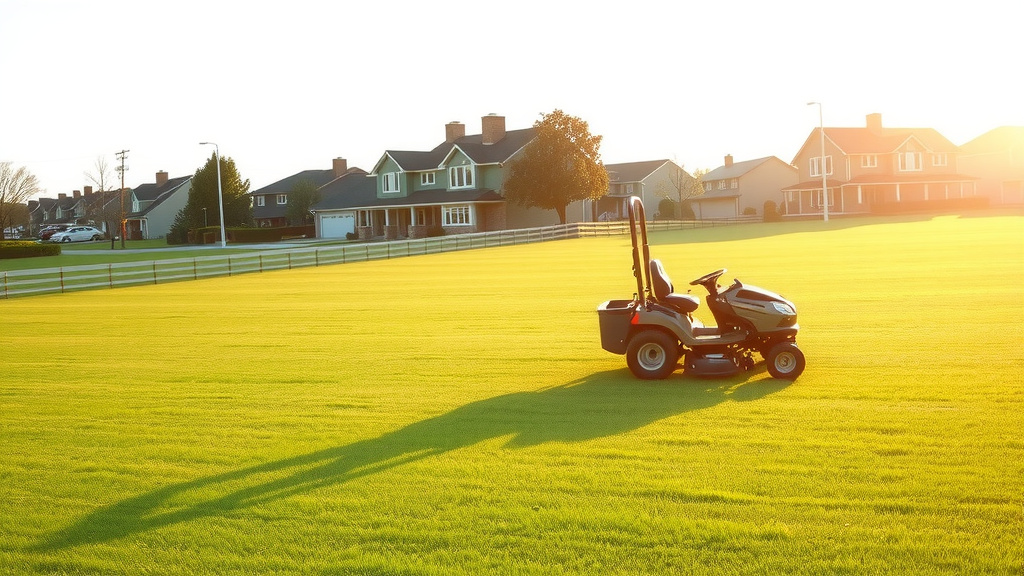
To mow a big lawn efficiently, choose the right equipment, like a zero-turn or riding mower, and plan your mowing pattern to minimize turns and maximize coverage.
A strategic approach helps you conquer your expansive yard with less effort and in much less time.
Here’s the short and sweet on tackling your large lawn:
- Invest in the right mower, typically a riding or zero-turn, to save time and energy.
- Plan your mowing route strategically, focusing on long, straight passes.
- Maintain your equipment and blades for a clean cut and efficient operation.
- Always prioritize safety, especially with larger machinery.
- Consider professional help if the task becomes too overwhelming or complex.
How To Mow A Big Lawn?
Mowing a big lawn feels like a marathon, right? But with the right strategy and tools, it becomes a manageable task, often even enjoyable.
It’s all about making smart choices for your time and your yard.
Map Out Your Strategy
Before you even start your engine, take a moment. Walk your lawn. What are the obstacles? Trees, flowerbeds, playsets?
Planning your route helps you avoid backtracking and saves time (research shows this is a key time-saver).
Clear the Clutter
Many experts agree: remove any sticks or debris. Hitting objects can damage blades or send projectiles flying, a real safety risk.
A quick sweep of the yard prevents headaches later on.
Selecting the Perfect Mower for a Big Lawn
Choosing the right mower makes a huge difference. A push mower for a big lawn? That’s a workout!
For large areas, you’ll want something with more power and speed.
Zero-Turn Mowers: Agile and Fast
These machines are incredibly agile. They can turn on a dime, making quick work of areas with lots of obstacles.
We found that zero-turns often cut mowing time in half compared to traditional riding mowers for complex layouts.
Riding Mowers: Your Comfortable Companion
A classic choice for big yards. Riding mowers are comfortable and cover ground quickly.
They are generally less expensive than zero-turns and excel in open, less cluttered spaces.
Tractor-Style Mowers: For the Heaviest Duty
If your “big lawn” feels more like a small field, a garden tractor might be your best friend. These can handle larger attachments beyond just mowing.
They offer great versatility but often come with a higher price tag.
Push Mowers: When is it Still an Option?
You might use a push mower for small, intricate areas that a larger machine can’t reach.
But for the main event, consider upgrading for your sanity!
Here’s a quick look at common mower types for larger properties:
| Mower Type | Best For | Key Benefit | Approx. Speed/Coverage |
|---|---|---|---|
| Zero-Turn | 1+ acre, obstacles | Fastest, agile turns | Up to 8-10 MPH |
| Riding Mower | 0.5-3 acres, open areas | Comfortable, good coverage | Up to 5-7 MPH |
| Tractor-Style | 2+ acres, versatile tasks | Heavy duty, attachments | Up to 5-7 MPH |
The Art of the Perfect Cut
Your mowing pattern isn’t just about pretty stripes. It’s about efficiency.
Long, straight lines with minimal turns are your friend.
Striping Patterns: For Efficiency and Looks
Start by mowing a perimeter pass or two around the entire lawn. This gives you room to turn at the ends of your rows.
Then, mow in straight, overlapping lines, reversing direction at each end.
The Overlap Secret
Always overlap each pass by a few inches. This ensures you don’t miss any strips of grass.
It’s like painting a wall; you want full coverage, right?
Tackle Slopes Safely
If your big lawn has hills, mow across the slope with a riding mower, not up and down (Occupational Safety and Health Administration guidelines often suggest this for stability).
With a push mower, go up and down the slope for better control.
Your Pre-Mow Game Plan
A little preparation goes a long way. Before starting, quickly go through this checklist:
- Walk the lawn and remove debris.
- Check fuel levels and oil.
- Inspect tire pressure.
- Ensure blades are sharp.
- Adjust cutting height appropriately.
Keep Your Machine Happy
A well-maintained mower is an efficient mower. Dull blades tear grass, making your lawn look ragged and stressing the plant.
Sharp blades provide a clean cut, which promotes healthier growth (many gardening experts confirm this).
Regular Blade Sharpening
Aim to sharpen your blades every 20-25 hours of use, or at least once per season.
It makes a noticeable difference in cut quality and how much effort your mower needs.
Engine Care and Cleaning
Clean under the deck after each use to prevent grass buildup. Check air filters and spark plugs regularly.
Treat your mower well, and it will serve you faithfully for years.
Protect Yourself and Others
Mowing, especially with powerful machines, comes with risks. Never skip safety precautions.
Wear appropriate footwear, eye protection, and hearing protection (hearing loss prevention advice often recommends this).
Knowing When to Delegate
Sometimes, your lawn is just too big, or you lack the time. There’s no shame in seeking professional help.
Lawn care services have the right equipment and expertise to handle even the largest properties efficiently.
Conclusion
Conquering a big lawn doesn’t have to be a daunting task. By choosing the right mower, planning your approach, and maintaining your equipment, you can transform it into a satisfying chore.
Remember, a smart strategy saves time, energy, and results in a beautifully manicured lawn you can be proud of.
How often should I mow a big lawn?
For most lawns, mowing once a week during the active growing season is ideal. If growth slows due to weather or dormancy, you might extend it to every two weeks. Always aim to remove no more than one-third of the grass blade height at a time to keep your lawn healthy.
What is the best cutting height for a large lawn?
The ideal cutting height varies by grass type and climate, but generally, 2.5 to 3 inches is a good starting point. Taller grass shades the soil, reducing weed growth and moisture evaporation. Adjust based on your specific grass and local conditions; many experts suggest avoiding “scalping” your lawn.
Can I use a robotic mower for a really big lawn?
Yes, robotic mowers are becoming more advanced and can cover significant areas, especially newer commercial-grade models. However, they are a considerable investment and might require multiple units or careful boundary setup for very large or complex properties.
How can I reduce the time it takes to mow my big lawn?
To reduce mowing time, invest in a larger, faster mower (like a zero-turn), maintain sharp blades, and plan an efficient mowing pattern. Removing obstacles beforehand also prevents interruptions, making your passes smoother and quicker.
Is it better to bag or mulch grass clippings on a big lawn?
Mulching is often better for your lawn. It returns nutrients to the soil, acting as a natural fertilizer. For very large lawns, bagging can be time-consuming and creates a lot of waste to dispose of. However, if the grass is extremely tall or has seed heads, bagging might be necessary to prevent excessive thatch buildup.
