
How To Put Lawn Mower Bag On?
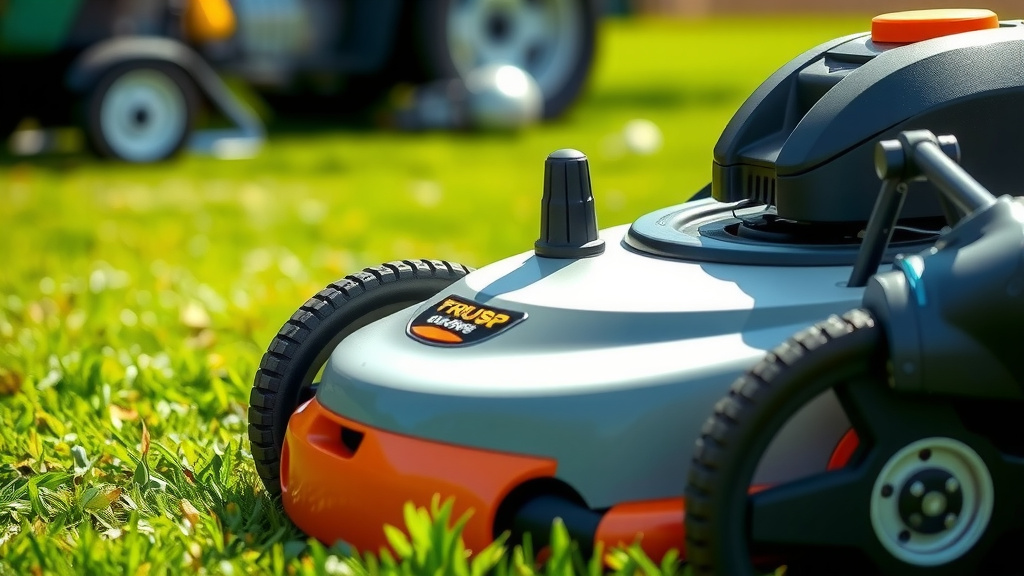
To put a lawn mower bag on, first ensure the engine is off and cool for safety. Locate the mower’s grass discharge chute, lift its cover, and then align the bag’s frame with the mounting hooks or slots provided.
Once aligned, firmly push the bag onto the connection points until it clicks or seats securely, ensuring the opening creates a tight seal to prevent grass clippings from escaping.
- Getting your lawn mower bag attached is simpler than you might think, making clean-up a breeze.
- Safety is key: always power down and wait for the engine to cool before you begin.
- Look for the discharge chute on your mower; this is where the bag connects.
- Align the bag’s frame with the mower’s mounting points, pushing it firmly into place.
- A securely attached bag means no stray clippings and a tidier lawn after mowing.
How To Put Lawn Mower Bag On?
Putting your lawn mower bag on involves identifying the discharge chute and securely attaching the bag’s frame. It is a straightforward process when you know the right steps.
You’ve just finished mowing, or perhaps you’re about to start, and suddenly you remember the grass bag. It’s sitting there, empty, waiting to do its job. But how exactly do you get it on your mower? Don’t worry, it’s a common question, and we’re here to guide you through it.
Many homeowners choose to bag their clippings for a cleaner lawn appearance. It helps prevent thatch buildup and keeps pesky weeds from spreading their seeds (University of Florida IFAS Extension).
Why Use a Grass Bag?
Using a grass bag isn’t just about tidiness; it offers several practical advantages. It collects clippings, stopping them from smothering your lawn. This is especially useful when you’re cutting taller grass.
Some people bag to keep their lawn looking sharp for special occasions. Others find it easier to bag when dealing with leaf litter in the fall. We found that a clean lawn often feels more inviting.
Types of Mower Bag Mounts
Most walk-behind mowers use a rear or side discharge chute for bagging. Rear bags often slide onto a bracket, while side bags clip into place. Riding mowers usually have a collection system with larger bins.
Each design has its own way of connecting, but the core idea remains similar. You’re always looking for a secure fit where the grass exits the deck.
Safety First: A Quick Check
Before you even think about touching that mower, let’s talk safety. This is the absolute most important step. We always say it’s better to be safe than sorry, right?
Make sure your lawn mower is completely off. The engine should be cool to the touch. Disconnect the spark plug wire if your model allows. This prevents any accidental starts while your hands are near the blades.
What You’ll Need
Good news: you typically don’t need any special tools for this. Just your lawn mower and its grass bag. Maybe a pair of gloves if you prefer to keep your hands clean from grass residue.
- Your lawn mower
- The grass collection bag
- Optional: Work gloves
- A clear, flat area to work
Step-by-Step Guide to Attaching Your Mower Bag
Ready to get that bag on and get mowing? Follow these clear steps, and you’ll have it attached in no time. Think of it like connecting two puzzle pieces.
Step 1: Prepare Your Mower
With the mower off and cool, move it to a flat, stable surface. This gives you plenty of room to work safely and comfortably around the discharge area. You want to have a good view of where the bag needs to go.
Step 2: Locate the Discharge Chute
The discharge chute is typically at the rear or side of your mower deck. This is the opening where grass clippings are expelled. It’s usually covered by a plastic or metal flap.
Step 3: Open the Chute Cover
Gently lift the discharge chute cover or flap. Many covers are spring-loaded, so they might want to snap back down. Hold it open with one hand or prop it open if needed. Some models have a small latch to keep it up (Consumer Reports).
Step 4: Position the Bag
Pick up your grass bag. Orient it so the opening of the bag lines up with the discharge chute. You’ll notice the bag often has a rigid frame around its opening designed to fit this spot.
Step 5: Secure the Bag
This is where the actual attachment happens. Most bags either slide onto hooks or clip into a receiving slot. Push the bag firmly until it feels snug and secure. Many experts recommend a gentle wiggle to ensure it’s seated properly.
Different mowers might have slightly different attachment methods. Here’s a quick overview of common bag types:
| Bag Type | Attachment Method | Key Detail |
|---|---|---|
| Rear Discharge Bag | Slides onto a bracket | Often hooks over pins, then drops into place. |
| Side Discharge Bag | Clips or latches on | Usually a lever or clasp secures it to the side opening. |
| Riding Mower Collector | Hinged frame, latches | Larger unit, often has multiple clips/straps. |
Step 6: Double-Check Everything
Once you think it’s attached, give the bag a gentle tug. Does it feel secure? Is the opening sealed against the mower deck? Any gaps could mean clippings fly out where you don’t want them. You want a tight, stable connection.
Troubleshooting Common Bagging Issues
Sometimes things don’t go perfectly the first time, and that’s okay. We’ve all been there! Let’s address a couple of common snags you might encounter.
Bag Not Fitting?
If your bag isn’t fitting, double-check that it’s the correct bag for your mower model. Mowers from different brands or even different years from the same brand can have unique designs. Sometimes, a small amount of dried grass can block the mounting points, so a quick clean might help.
Grass Not Collecting?
If the bag is on but not collecting grass, first ensure the discharge chute cover is fully open and not blocking the bag’s entrance. Check if the bag itself is clogged with damp clippings or debris. We found that mowing wet grass can often lead to clogging inside the bag or chute.
Maintaining Your Grass Bag
A little care goes a long way in keeping your grass bag functional. We found that regular cleaning extends its life and performance. Here’s a quick checklist:
- Empty the bag completely after each use.
- Brush off any loose grass or dirt from the fabric.
- For stubborn clogs, use a hose to rinse out the bag.
- Allow the bag to dry thoroughly before storing it.
- Check for rips or tears periodically and repair if possible.
- Store the bag in a dry, covered area to protect it from the elements.
When to Bag vs. When to Mulch?
This is a classic lawn care debate! Bagging is great for a super clean look or when grass is very tall. However, mulching offers its own set of benefits. Many experts agree that mulching returns valuable nutrients to your lawn (Ohio State University Extension).
When you mulch, the mower cuts clippings into tiny pieces that quickly decompose. It’s like giving your lawn a natural fertilizer treatment. Think of it as feeding your lawn its own nutritious leftovers.
So, when do you choose? If your grass is extremely long, bagging prevents clumps. If you’re tackling weeds that have gone to seed, bag them up! But for regular cuts on healthy grass, mulching is often the more beneficial choice for turf health.
Conclusion
Putting your lawn mower bag on is a straightforward task that simply requires a little attention to detail and, most importantly, prioritizing safety. By following our clear steps—from making sure your mower is off to securing the bag firmly—you can quickly get your mower ready for a tidy lawn. Whether you choose to bag for a pristine look or switch to mulching for lawn health, understanding your equipment makes all the difference. Now, go forth and conquer that lawn!
How do I know if my lawn mower bag is full?
You’ll notice a drop in grass collection efficiency, and often, small amounts of clippings might start escaping around the bag’s seal or through its fabric. Many bags also become noticeably heavier and bulkier when full.
Can I use a universal lawn mower bag?
While some “universal” bags exist, they often don’t provide as precise or secure a fit as bags designed specifically for your mower model. It’s generally best to use the manufacturer-recommended bag to ensure proper attachment and optimal performance, preventing clippings from escaping.
What should I do if the bag keeps falling off?
If your bag keeps falling off, first inspect the attachment points on both the mower and the bag for any damage or wear. Ensure you are pushing it firmly onto the mounts until it clicks or seats securely. Sometimes, a build-up of old grass or debris can prevent a proper connection, so cleaning these areas can help.
How do I clean my lawn mower bag?
Empty the bag completely. For light cleaning, brush off dry grass and dirt. For heavier soil or damp clippings, you can rinse the bag with a garden hose. Always let the bag air dry thoroughly in a shaded, well-ventilated area before storing to prevent mildew and odors.
Is it okay to mow without a bag?
Yes, many mowers are designed to operate without a bag in mulching mode or side-discharge mode. Mowing without a bag in mulching mode can actually return nutrients to your lawn. However, if your mower is set to side-discharge, ensure you’re not directing clippings onto unwanted areas like flowerbeds or pathways.
