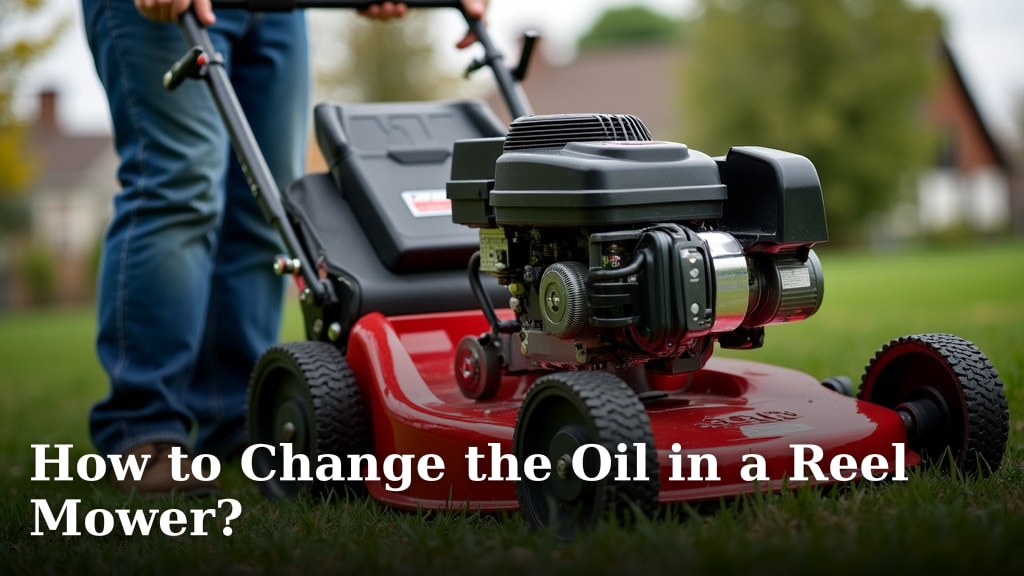
How to Store a Reel Mower for Winter?
On this page (8 sections)
Storing your reel mower for winter is simple when you follow a few key steps. The best way to store a reel mower is to clean it thoroughly, lubricate moving parts, and store it in a dry, protected area. This will help prevent rust and ensure it starts up easily next spring.
Taking care of your reel mower now means less work later. Proper winter storage protects the blades and prevents engine issues, if applicable. You’ll be ready to mow as soon as the grass grows again. Many homeowners find that a little preparation makes a big difference.
- Clean the mower deck and blades carefully.
- Lubricate all moving parts with appropriate oil.
- Check and adjust the blade reel for sharpness.
- Store the mower upright or on its side, depending on the model.
- Choose a dry location, away from moisture and extreme temperatures.
Let’s walk through exactly how to get your reel mower ready for its winter nap, step by step.
Getting Your Reel Mower Ready for Winter Storage
Proper winter storage is key to keeping your reel mower in top shape. You want it ready to go next spring. This guide will walk you through the process. We’ll cover cleaning, lubrication, and where to store it safely. Proper winter storage is key to keeping your reel mower in top shape for next spring.
Step 1: Give It a Thorough Cleaning
Before you tuck your reel mower away, a good cleaning is essential. Think of it like giving your mower a relaxing spa day. Removing dirt, grass clippings, and debris prevents rust and corrosion. It also makes it easier to inspect for any potential problems.
Cleaning the Mower Deck
Start with the mower deck. This is where most of the grass and dirt accumulates. You can use a stiff brush or a putty knife to scrape off any caked-on debris. Be gentle to avoid scratching the paint. For tougher grime, a damp cloth works well.
Make sure you get into all the nooks and crannies. Grass clippings left behind can hold moisture. This moisture is a prime culprit for rust. You want a clean surface to work with for the next steps.
Cleaning the Blades and Reel
The blades and the reel are the heart of your reel mower. They need special attention. Carefully wipe down the blades with a clean rag. You can use a bit of mineral oil on the rag. This helps remove any sap and provides a light protective layer.
Many experts recommend checking the blade edges for any nicks or dull spots at this time (Gale Force Hand Tools). While a full sharpening might be done later, a quick inspection is wise. You don’t want to find a bent blade in the spring.
Cleaning the Wheels and Frame
Don’t forget the wheels and the mower’s frame. Wipe them down with a damp cloth. Check the wheels for any packed-in dirt or debris. If you have a model with rubber tires, inspect them for any cracks or damage.
A clean frame makes it easier to spot any loose bolts or parts. This is also a good time to give the entire mower a once-over. You’re looking for anything that seems out of place or worn.
Step 2: Lubricate Moving Parts for Protection
Lubrication is another critical step for winter storage. It prevents metal parts from seizing up. It also guards against rust, especially in humid storage areas. Think of it as giving your mower a protective coat for the winter months.
Where to Apply Lubricants
Focus on any areas where metal parts rub against each other. This includes pivot points for the handle, wheel axles, and the drive mechanism if your mower has one. Check your owner’s manual for specific lubrication points.
Many people find that a light machine oil or a multi-purpose lubricant works well. Some manufacturers recommend specific types of oil. Always check your manual first. A small amount applied to the right spots goes a long way.
Lubricating the Reel Mechanism
The reel mechanism itself often needs lubrication. Apply a few drops of oil to the bearings or any points where the reel shaft contacts its housing. Some manuals suggest using a graphite-based lubricant for reel-to-bedknife contact. This can help keep the blades moving freely (American Society of Agricultural and Biological Engineers).
Spin the reel a few times after applying lubricant. This helps distribute the oil evenly. You want a smooth, quiet spin. If it feels stiff or makes noise, it might need more attention.
Checking and Adjusting Blade Tension
While you’re dealing with the blades, it’s a good time to check their tension. The bedknife and reel blades should be set at the correct distance. This ensures a clean cut and reduces wear. Refer to your manual for the exact procedure.
Often, you’ll adjust the reel by turning a set screw. Make sure the blades can still spin freely but have minimal play. Too tight, and you’ll cause unnecessary friction. Too loose, and you’ll get a ragged cut.
Step 3: Fuel and Engine Care (for Gas Models)
If your reel mower has a gas engine, there are a few extra steps. You’ll want to treat the fuel system. This prevents stale fuel from causing starting problems next season. Most engine manufacturers offer specific guidelines for storage. If your reel mower has a gas engine, you’ll want to treat the fuel system to prevent stale fuel issues next season.
Add Fuel Stabilizer
The best practice is to add a fuel stabilizer to your gas tank. Fill the tank almost full with fresh gasoline. Then, add the recommended amount of stabilizer. Run the engine for about 5-10 minutes. This allows the stabilized fuel to circulate through the entire fuel system.
Fuel stabilizers work by preventing the breakdown of gasoline. Over time, gasoline can oxidize and form gummy deposits. These deposits can clog fuel lines and carburetors. A stabilizer keeps the fuel fresh (Environmental Protection Agency).
Empty the Fuel Tank (Optional but Recommended)
For long-term storage, some people prefer to completely drain the fuel tank. You can run the engine until it sputters out or use a siphon pump. Then, run the engine for a minute or two more to clear the carburetor bowl. This is an extra layer of protection against fuel system issues.
While fuel stabilizers are effective, completely removing fuel eliminates any risk of gumming up the carburetor. Choose the method that best suits your comfort level and storage duration.
Change the Oil
It’s a good idea to change the engine oil before storing your mower. Old oil can contain contaminants that can damage engine parts over time. Fresh oil provides better protection during the off-season. You’ll want to do this while the engine is still warm, as the oil flows more easily.
Consult your owner’s manual for the correct type and amount of oil. Dispose of the old oil responsibly. Many auto parts stores accept used motor oil for recycling.
Step 4: Prepare for Storage Location
Choosing the right storage spot is just as important as the preparation steps. You want a place that protects your mower from the elements. Moisture and extreme temperatures can cause damage.
Ideal Storage Locations
A dry garage, shed, or basement is ideal. These places offer protection from rain, snow, and direct sunlight. Avoid storing the mower directly on a concrete floor if possible. Concrete can emit moisture, which can lead to rust.
If you must store it on concrete, place a piece of plywood or a tarp underneath. This creates a barrier. Keeping it out of direct sunlight also prevents plastic parts from becoming brittle over time.
Storing Upright vs. On Its Side
How you store your reel mower depends on its design. Most manual reel mowers can be stored upright on their handles. This saves space and keeps the blades off the ground. Some models are designed to be stored on their side.
Check your owner’s manual to see if your mower can be safely stored on its side. If you store it on its side, be mindful of any oil or fuel if you haven’t drained them completely. You don’t want leaks.
Protecting Against Pests
In some areas, rodents or other pests might find your mower an interesting place to nest. You can cover the mower with a breathable tarp or a mower cover. This provides a barrier and discourages pests.
Avoid using plastic sheeting that doesn’t allow for air circulation. Trapped moisture can lead to mold or mildew. A breathable cover is your best bet for keeping it protected and aired out.
Final Checklist for Winter Storage
Here’s a quick checklist to make sure you haven’t missed anything:
- Thoroughly clean the mower deck and blades.
- Lubricate all moving parts and the reel mechanism.
- Check blade sharpness and reel tension.
- For gas models: add fuel stabilizer and run engine, or drain fuel.
- For gas models: change engine oil.
- Store in a dry, protected location, off the concrete if possible.
Conclusion
You’ve now learned how to properly prepare your reel mower for its winter rest. By focusing on thorough cleaning, careful lubrication, and selecting the right storage spot, you’re protecting your investment. Taking these steps now means you’ll avoid potential headaches come springtime. Your mower will be ready for the first mow of the season. So, go ahead and give your reel mower that end-of-season spa treatment. You’ll thank yourself when the grass starts growing again!
Frequently Asked Questions
How do I protect the reel blades from rust during winter storage?
After cleaning the blades, apply a light coat of mineral oil or a rust inhibitor. This creates a protective barrier. Ensure the blades are completely dry before applying any protectant to prevent moisture from being trapped.
Can I store my reel mower horizontally on its side?
Check your owner’s manual first. Some models are designed for side storage, but many are not. If you do store it on its side, be extremely careful about potential oil or fuel leaks.
What kind of lubricant should I use on my reel mower?
Generally, a light machine oil or multi-purpose lubricant works well for most moving parts. For the reel-to-bedknife contact, some manuals suggest a graphite-based lubricant. Always refer to your mower’s manual for specific recommendations.
Do I really need to add fuel stabilizer if I’m only storing it for a few months?
It’s highly recommended, especially if you live in a climate with cold winters. Even short-term storage can allow gasoline to degrade and form gummy deposits. Stabilizer helps keep the fuel fresh and prevents carburetor issues.
Is it okay to just leave my manual reel mower in the garage without doing anything?
While it might survive, it’s not ideal for its longevity. Leaving grass clippings can lead to rust, and unlubricated parts can seize up. A little preparation now will ensure your mower functions correctly and lasts much longer.