
How to Store a Riding Mower for Winter?
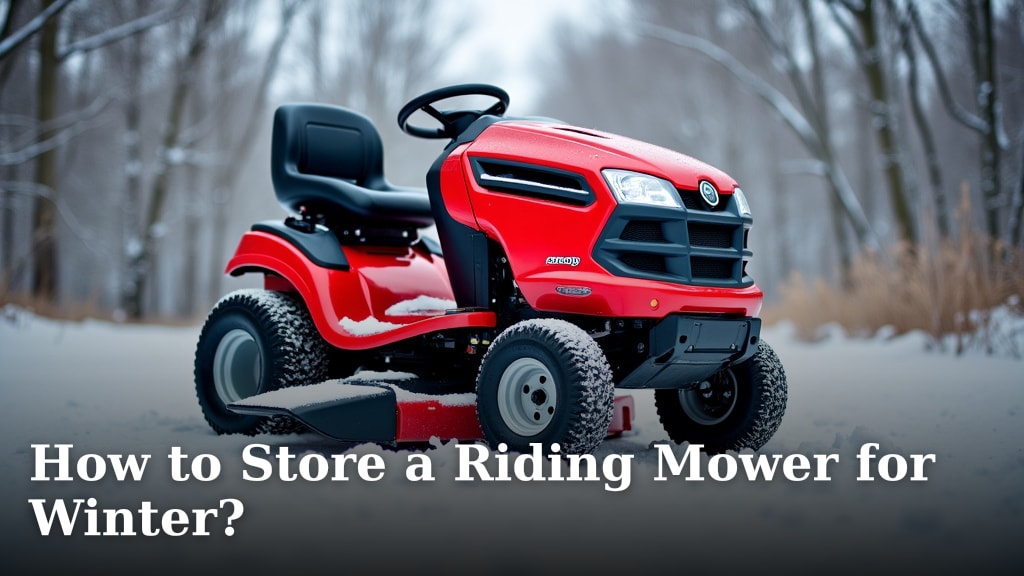
To store a riding mower for winter, you should always Our guide on how to store a lawn mower for winter provides additional tips for preparing your equipment.stabilize the fuel, disconnect the battery, and perform essential maintenance. These steps protect your investment and ensure it’s ready for spring. Proper winterization prevents costly repairs and extends your mower’s lifespan.
You want your riding mower to start reliably next season, right? We found that taking a few preventative measures now saves you headaches later. This includes everything from cleaning the deck to changing the oil. Many experts say that neglecting winter prep is a common mistake for homeowners.
TL;DR:
- Stabilize fuel or drain the tank.
- Clean your mower thoroughly.
- Change the oil and filter.
- Disconnect and store the battery.
- Lubricate moving parts.
Let’s walk through exactly how to prepare your riding mower for its long winter nap, step by step, so you can enjoy a smooth start next spring.
Preparing Your Riding Mower for Winter Storage
Getting your riding mower ready for its off-season rest is easier than you think. It’s all about preventative care. We’ll walk you through the essential steps to ensure it’s protected.
Fuel System Preparation: Stabilize or Drain?
The first thing to tackle is the fuel. This is arguably the most important step for winter storage. Old fuel can cause major problems (EPA).
Choosing Your Fuel Strategy
You have two main options for fuel: stabilization or draining. Both work well, but they have different approaches.
- Fuel Stabilizer: This is often the easiest method. You add a chemical additive to your gas tank.
- Draining the Tank: This involves removing all fuel from the tank, fuel lines, and carburetor.
Using Fuel Stabilizer
If you choose to stabilize, do it correctly. Add the stabilizer to a full tank of fresh gasoline. Why a full tank? This reduces air space and prevents condensation.
Run the engine for about 10-15 minutes after adding the stabilizer. This circulates the treated fuel throughout the entire fuel system. This ensures every part, from the tank to the carburetor, gets coated with the protective stabilizer. Many manufacturers recommend this method (Briggs & Stratton).
Draining the Fuel System
Draining the fuel system completely eliminates any chance of old gas causing issues. This is a good option if your mower will sit for a very long time, or if you prefer not to use additives.
First, you’ll need to siphon the gas from the tank. Then, run the engine until it sputters and dies. This ensures the carburetor bowl and fuel lines are empty. Be careful when handling gasoline; always work in a well-ventilated area away from ignition sources.
Cleanliness is Key: A Thorough Mower Wash
Before storing, give your riding mower a good cleaning. This isn’t just for aesthetics. It helps prevent rust and corrosion.
Cleaning the Mower Deck
The underside of your mower deck collects a lot of grass clippings. These clippings hold moisture and can cause rust. Use a hose and a scraper to remove all caked-on debris. Some people use a pressure washer, but be careful not to damage seals or electrical components.
Consider applying a rust-preventative spray to the clean, dry underside of the deck. This adds an extra layer of protection.
Washing the Exterior
Use a mild detergent and water to wash the exterior of your mower. Pay attention to crevices and tight spots where dirt can accumulate. Rinse thoroughly and let it dry completely before storing. Any remaining moisture can lead to corrosion over time.
Engine Maintenance for Longevity
Just like your car, your mower’s engine needs some end-of-season love. This ensures a healthy start in spring.
Changing the Oil and Oil Filter
Changing the oil before storage is crucial. Used oil contains contaminants and acids that can corrode internal engine parts during long periods of inactivity. Fresh oil protects these components.
Warm up the engine for a few minutes first. This thins the oil, making it drain more easily. Then, locate the drain plug, place a pan underneath, and remove the plug. Don’t forget to replace the oil filter too. Always use the type of oil recommended by your mower’s manufacturer.
Replacing the Spark Plug
A fresh spark plug can make a big difference in starting performance. Remove the old spark plug and check its condition. Look for signs of wear or excessive carbon buildup. Install a new spark plug, making sure it’s properly gapped according to your owner’s manual.
Inspecting Air Filter
The air filter protects your engine from dust and debris. Remove it and inspect it for dirt and blockages. If it’s dirty, either clean it (if it’s a foam filter) or replace it (if it’s paper). A clean air filter ensures proper airflow and engine performance.
Battery Care for the Off-Season
The battery is another critical component that needs attention before winter. Neglecting it can mean a dead battery in spring.
Disconnecting and Cleaning Terminals
First, disconnect the battery terminals. Always disconnect the negative (-) terminal first, then the positive (+). This prevents accidental short circuits.
Clean any corrosion from the battery terminals and cables using a wire brush and a mixture of baking soda and water. This ensures a good connection when you reconnect it later.
Storing the Battery
Remove the battery from the mower. Store it in a cool, dry place where it won’t freeze. A garage shelf or workbench is usually fine.
We found that using a trickle charger or battery maintainer is a smart idea. This device keeps the battery charged throughout the winter, preventing it from losing its charge and extending its lifespan. Many experts say a battery maintainer is one of the best investments for off-season storage.
Lubrication and Protection
Moving parts and exposed metal surfaces benefit from lubrication before storage.
Greasing Moving Parts
Locate all grease fittings on your mower. These are typically found on axles, steering components, and deck linkages. Use a grease gun to apply fresh grease until you see old grease squeeze out. This protects against rust and keeps components moving smoothly.
Protecting Exposed Metal
Spray exposed metal components, such as suspension parts and blade spindles, with a light coating of silicone spray or penetrating oil. This creates a barrier against moisture and prevents rust formation during storage.
Tire Pressure and Storage Location
Don’t forget the tires! Proper inflation prevents flat spots.
Checking Tire Pressure
Inflate your tires to the recommended pressure, usually found in your owner’s manual or on the tire sidewall. Over-inflating slightly (by 2-3 PSI) can help prevent flat spots from forming during long storage periods. Flat spots can lead to a bumpy ride and premature tire wear.
Choosing Your Storage Spot
Store your mower in a dry, protected area. A shed or garage is ideal. Cover it with a breathable tarp or cover to protect it from dust and pests. Avoid storing it outdoors, even under a tarp, as moisture can still get in and cause damage.
| Task | Why It’s Important | Frequency |
|---|---|---|
| Fuel Stabilization/Drain | Prevents fuel system clogs and corrosion. | Every winter |
| Oil Change | Removes contaminants; protects engine internals. | Every 50 hours or annually |
| Battery Disconnect/Charge | Prevents discharge; extends battery life. | Every winter |
| Clean Deck | Prevents rust and corrosion on metal surfaces. | After every few uses & before storage |
| Lubricate Fittings | Ensures smooth operation of moving parts. | Before storage & periodically |
Your Winter Storage Checklist
Here’s a quick summary to make sure you’ve covered all your bases:
- Stabilize or drain all fuel.
- Clean the entire mower, especially the deck.
- Change the engine oil and filter.
- Replace the spark plug and check the air filter.
- Disconnect and store the battery on a maintainer.
- Lubricate all grease points and exposed metal.
- Check and adjust tire pressure.
- Store in a dry, covered location.
Conclusion
Taking the time to properly store your riding mower for winter really pays off. You’re not just putting it away; you’re actively protecting your investment. By following these steps—from fuel prep and cleaning to battery care and lubrication—you prevent common issues like rust, corrosion, and engine problems.
We found that a little effort now ensures your mower is ready to spring into action when the grass starts growing again. You’ll avoid frustrating breakdowns and costly repairs. Make this winterization routine a yearly habit for a reliable machine and peace of mind.
Frequently Asked Questions
Is it better to drain the fuel or use a stabilizer for winter?
Both methods work well, but your choice depends on your preference. Using a fuel stabilizer is often easier, as it involves adding a chemical to a full tank and running the engine briefly. Draining the fuel system completely eliminates old gas, which is ideal for very long storage periods or if you prefer not to use additives.
Can I store my riding mower outside if it’s covered?
While a cover offers some protection, it’s generally best to store your riding mower in a dry, enclosed space like a shed or garage. Outdoor storage, even with a cover, can still expose your mower to moisture and extreme temperatures, increasing the risk of rust and other damage. We recommend a breathable cover if stored indoors to keep dust off.
How often should I charge my battery during winter storage?
If you’re using a trickle charger or battery maintainer, it should be connected for the entire storage period. These devices automatically monitor the battery and provide a charge as needed, keeping it at optimal levels without overcharging. If you don’t use a maintainer, check the battery charge monthly and top it off as necessary.
What kind of oil should I use for an oil change before winter?
Always refer to your riding mower’s owner’s manual for the manufacturer’s recommended oil type and viscosity. Using the correct oil ensures proper lubrication and protection for your engine. We found that manufacturers often specify a particular weight, like SAE 30 or 10W-30, for optimal performance.
Why is it important to clean the underside of the deck before storage?
Grass clippings and debris stuck to the underside of the deck hold moisture, which can lead to rust and corrosion during storage. Cleaning the deck thoroughly prevents this damage and extends the life of your mower. Consider applying a rust-preventative spray after cleaning for extra protection.
