
How to Store a Push Mower for Winter?
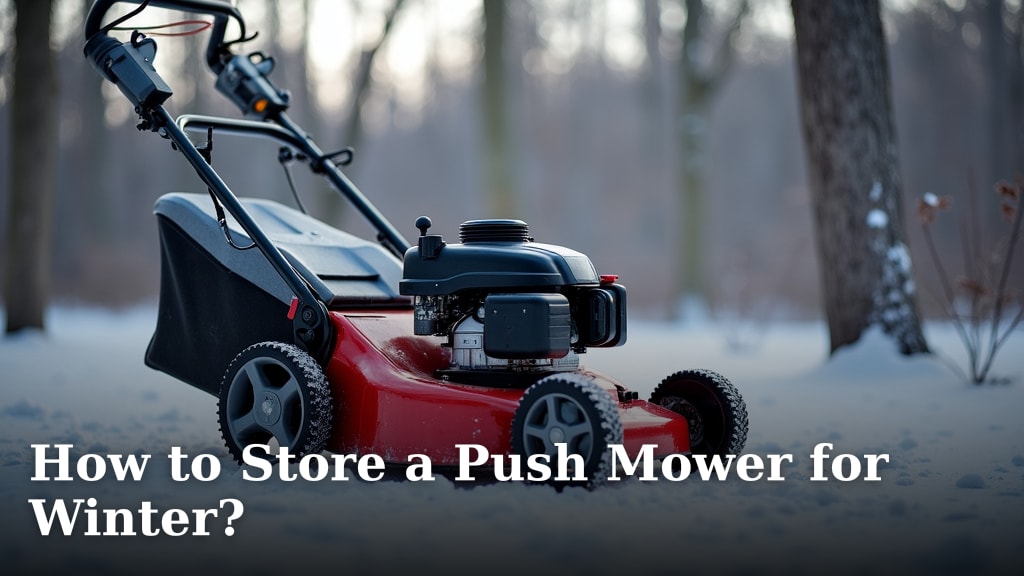
To properly store a push mower for winter, you should always drain the fuel or add a fuel stabilizer, remove the spark plug, and clean the mower thoroughly. Taking these steps helps prevent damage and ensures your push mower is ready to go next spring.
Winterizing your lawn mower is more than just parking it in the shed; it’s about protecting your investment. Neglecting proper storage can lead to costly repairs and a headache when spring arrives. We found that a little effort now saves a lot of trouble later, ensuring your equipment stays in top working order.
- Drain fuel or use a stabilizer.
- Clean the mower deck and blades.
- Disconnect the spark plug.
- Change the oil and air filter.
- Store in a dry, protected area.
Ready to get your mower tucked away safely? Let’s walk through the essential steps to prepare your push mower for its long winter nap.
Preparing Your Push Mower for Winter Storage
Winterizing your push mower is simpler than you might think. We’ve broken down the process into easy-to-follow steps to help you protect your equipment from the harsh winter months. A little prep work now can save you big headaches and repair bills in the spring.
Fuel Management: Drain or Stabilize?
This is arguably the most critical step for winter storage. Gasoline left in your mower’s fuel tank and lines can cause significant problems. Fuel can break down, creating gummy deposits that clog your carburetor and fuel lines. We’ve found this is a leading cause of mowers not starting in the spring.
Draining the Fuel Tank
Many experts recommend draining the fuel completely (Briggs & Stratton). To do this, run your mower until it’s out of gas. This empties the fuel tank and carburetor. Be sure to do this in a well-ventilated area, away from any ignition sources. It’s a simple, effective method for preventing fuel-related issues.
Using a Fuel Stabilizer
If draining isn’t your preferred method, a fuel stabilizer is your friend. Add the stabilizer to a full tank of fresh gasoline. Then, run the engine for about 10-15 minutes. This ensures the treated fuel circulates throughout the entire fuel system. This helps prevent fuel degradation over the winter. Always follow the product’s instructions for the correct mixing ratio.
Spark Plug Care: Disconnect and Inspect
Before you do anything else under the hood, always disconnect the spark plug wire. This is a vital safety measure. It prevents the engine from accidentally starting while you’re performing maintenance. You don’t want any surprises when your hands are near the blades.
Once disconnected, you can remove the spark plug itself. Inspect it for wear and tear. Is it fouled, corroded, or black? If so, it’s a good idea to replace it now. A fresh spark plug means easier starting next season. You can even add a teaspoon of engine oil into the cylinder, then slowly pull the starter cord a few times. This helps to coat the cylinder walls and prevent rust.
Cleaning Your Mower Thoroughly
Don’t just put away a dirty mower! A good cleaning prevents rust and corrosion. It also removes caked-on grass and debris that can harbor moisture. Think of it as giving your mower a spa day before its long nap.
Under the Deck: Scrape and Wash
Flip your mower on its side (carburetor side up to prevent oil or fuel leaks). Use a stiff brush, scraper, or even a putty knife to remove all accumulated grass clippings. These clippings hold moisture and can cause your deck to rust. Some people even use a power washer, but be careful not to spray directly into seals or bearings. Make sure everything is dry before storage.
Exterior Cleaning: Wipe Down and Inspect
Wipe down the entire exterior of your mower. Use a damp cloth to clean off dirt, dust, and any remaining grass. Take this opportunity to inspect for any loose bolts, damaged parts, or potential issues that might need attention come springtime. A quick once-over can prevent small problems from becoming big ones.
Oil and Air Filter Maintenance
Changing your oil and air filter now is a smart move. Old oil can contain contaminants that, over months of storage, can cause harm to engine components. Fresh oil provides For a detailed guide on changing your oil, consult our comprehensive article.maximum protection during storage.
Consult your mower’s manual for the correct type of oil and filter. Draining the old oil when the engine is warm helps it flow out more easily. Replace the oil filter if your model has one. Similarly, inspect your air filter. If it’s dirty, replace it. A clean air filter ensures your engine gets the proper air-fuel mixture when it wakes up from hibernation.
Blade Care: Sharpen or Replace
Sharp blades are crucial for a healthy lawn. A dull blade tears grass, leaving it susceptible to disease. It also makes your engine work harder. Now is the perfect time to address those blades.
- Remove the blade: Be careful! Wear heavy gloves.
- Inspect for damage: Check for bends, nicks, or cracks.
- Sharpen or replace: If it’s just dull, sharpen it. If it’s heavily damaged, replace it.
- Balance the blade: An unbalanced blade can cause vibrations and engine damage. You can buy a simple blade balancer tool.
Many hardware stores offer blade sharpening services if you’re not comfortable doing it yourself. A well-maintained blade gives you a cleaner cut and a happier lawn.
Battery Maintenance (for Electric Start Models)
If your push mower has an electric start and a battery, it needs special attention. Cold weather can be harsh on batteries, potentially reducing their lifespan. We’ve found that proper battery storage significantly extends its life.
| Action | Why It’s Important |
|---|---|
| Remove the battery | Prevents self-discharge and corrosion. |
| Clean terminals | Ensures a good connection and prevents power loss. |
| Store in a cool, dry place | Protects from extreme temperatures. |
| Use a trickle charger | Maintains optimal charge, preventing sulfation. |
A trickle charger, often called a battery maintainer, is designed to keep your battery at a full charge without overcharging. This is crucial for avoiding a dead battery come spring (U.S. Department of Energy).
Final Storage Location Tips
Where you store your mower matters. You want a place that’s dry, protected, and stable in temperature. Garages, sheds, or basements are ideal. Avoid leaving it exposed to the elements, as moisture can lead to rust and damage to electronic components.
Consider covering your mower with a breathable tarp or cover. This protects it from dust and moisture. Just make sure the cover allows for some air circulation to prevent condensation. We often see mowers covered with plastic tarps that trap moisture, doing more harm than good.
Your Winterizing Checklist
Here’s a quick recap to make sure you’ve covered all your bases for storing your push mower:
- Drain or stabilize the fuel.
- Disconnect and inspect the spark plug.
- Clean the mower deck and exterior.
- Change the engine oil and air filter.
- Sharpen or replace the mower blade.
- Address battery care if applicable.
Taking these steps ensures your push mower is not just stored, but stored correctly. You’re ready to enjoy a smooth start to spring lawn care!
Conclusion
You’ve now got a clear roadmap for putting your push mower to bed for the winter. By taking these few preventative steps, you’re not just storing a machine; you’re safeguarding your investment. We’ve seen firsthand how a little effort now prevents big headaches and unexpected costs in the spring.
From fuel care to blade sharpening and proper battery maintenance, each action contributes to a healthier mower. You’ll thank yourself when spring arrives, and your mower fires right up, ready for the first cut of the season. So, go ahead, give your mower the care it deserves, and enjoy a worry-free winter!
Frequently Asked Questions
Can I just leave gas in my mower all winter?
It’s generally not recommended to leave untreated gas in your mower over winter. Untreated fuel can degrade, causing sticky residues that clog the carburetor and fuel lines. This often leads to starting problems and costly repairs in the spring.
How often should I charge my electric start mower battery during winter storage?
If you remove and store your electric start battery indoors, connect it to a trickle charger about once a month. This keeps the battery optimally charged without overcharging. It helps prevent sulfation and extends the battery’s overall lifespan.
What kind of cover is best for a push mower in winter?
A breathable tarp or cover is ideal for winter storage. This protects your mower from dust and moisture while allowing air circulation. Avoid non-breathable plastic covers, as they can trap condensation and promote rust.
Is it okay to store my push mower outside under a patio?
While a patio offers some protection, it’s best to store your mower in a fully enclosed, dry, and temperature-stable area like a garage or shed. Exposure to fluctuating temperatures and humidity, even under a patio, can still lead to rust and other damage.
Should I drain the oil before winter storage?
Yes, changing the oil before winter storage is a smart practice. Old oil contains contaminants that can cause engine wear over time, especially during extended periods of inactivity. Fresh oil provides maximum protection for internal engine components.
