
How To Take Care Of A Lawn Mower?
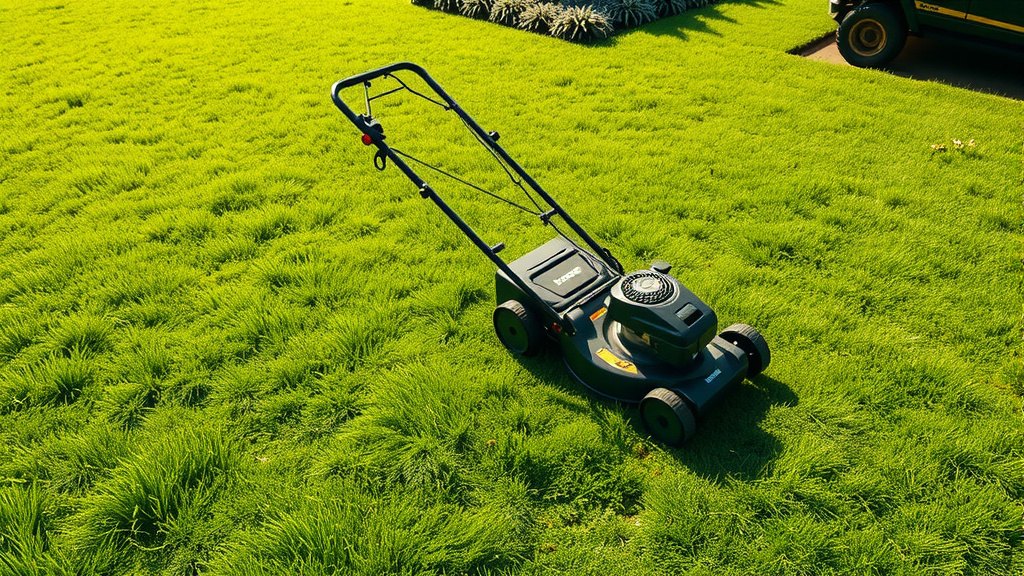
To properly take care of a lawn mower, regularly clean its deck, check the oil, sharpen blades, and replace air filters. Following these steps ensures your machine stays efficient and extends its working life.
A well-maintained lawn mower delivers a clean cut and starts easily, preventing costly repairs and making your lawn care routine much smoother.
Thinking about how to keep your lawn mower in top shape? You’re in the right place! Keeping your mower healthy isn’t just about saving money; it’s about getting a consistently beautiful lawn. Many people forget that a little care goes a long way with these machines.
- Keep your mower deck clean after every use.
- Change the engine oil seasonally or after many hours of use.
- Ensure your mower blades are always sharp for a clean cut.
- Check and clean the air filter regularly to protect the engine.
- Store your mower correctly during the off-season to prevent issues.
How To Take Care Of A Lawn Mower?
Taking care of a lawn mower involves regular cleaning, checking fluids, and blade maintenance to keep it performing at its best. It’s like giving your car regular tune-ups; a little effort prevents big problems.
Imagine your mower as a hardworking athlete. It needs proper care to keep performing at its peak, right? Neglecting it can lead to frustrating breakdowns and uneven cuts. We found that simple, consistent maintenance can double your mower’s lifespan (Consumer Reports often highlight this).
Regular Check-Ups Are Key
Before you even start the engine, a quick visual inspection can catch many issues. Take a moment to look under the deck and around the engine. You might spot loose parts or grass buildup that needs immediate attention.
Are the wheels wobbly? Is anything leaking? A few seconds now can save you a lot of hassle later. Think of it as a pre-flight check for your yard work.
Cleanliness Keeps It Running
This might be the easiest and most effective step you can take. After each mowing session, clean the underside of the mower deck. Grass clippings can accumulate, creating corrosion and blocking airflow.
A simple scraper or stiff brush works wonders. Keeping the deck clean helps prevent rust and ensures your blades can move freely and efficiently. Nobody likes a rusty machine!
Don’t Forget the Air Filter
Your mower’s engine needs clean air, just like you do. A dirty air filter chokes the engine, making it work harder and consume more fuel. We found that checking the air filter every few uses is a good idea.
Many experts say to tap out loose dirt or replace it if it looks really grimy. This small part has a big impact on performance and engine longevity.
Engine Health Starts Here
The engine is the heart of your lawn mower. It needs proper care to pump out the power you need. Ignoring the engine is like ignoring a ticking time bomb, leading to costly repairs down the line.
We found that consistent engine care is often the difference between a mower that lasts years and one that dies young. It’s all about preventative measures.
Oil Change Time
Just like your car, your mower needs fresh oil. Over time, oil breaks down and loses its lubricating properties. Many manuals suggest changing the oil after 50 hours of use or once per season, whichever comes first.
This simple task keeps engine parts running smoothly and reduces wear. You wouldn’t run a marathon without proper hydration, would you? Your engine needs its fresh, clean oil.
Spark Plug Inspection
The spark plug ignites the fuel-air mixture, getting your engine started. If your mower is hard to start or runs rough, a dirty or worn spark plug could be the culprit. Check it annually.
A clean, correctly gapped spark plug ensures a reliable start every time. It’s a small part, but it’s mighty in its function.
Keep Your Blades Sharp
Dull blades don’t cut; they tear your grass, leaving jagged edges. This makes your lawn look unhealthy and can even invite disease. Think of it like a dull kitchen knife trying to slice a tomato – it just mangles it.
Sharp blades give a clean cut, promoting healthier grass growth. We found that sharpening your blades two to three times per season is a good general guideline (many professional landscapers agree).
When to Sharpen or Replace
If your lawn looks ragged after mowing, it’s time to sharpen the blade. You can do this yourself with a grinder or file, or take it to a service center. Always ensure the blade is balanced after sharpening.
If the blade has nicks, bends, or significant wear, it’s safer to replace it. A damaged blade can be dangerous and cause vibration, potentially harming your mower. Safety comes first.
Fuel Storage Best Practices
Old or contaminated fuel can cause big problems for your mower’s engine. Ethanol in gasoline can attract water and separate, leading to corrosion and gumming up the carburetor. Always use fresh fuel.
Adding a fuel stabilizer when storing fuel for more than a month is a smart move. This keeps the fuel fresh and prevents issues. It’s like giving your fuel a little protective shield.
Battery Care for Electric Starters
If your mower has an electric start, its battery needs attention. Keep the battery charged, especially during the off-season. Cold weather can drain batteries quickly.
Many experts suggest using a trickle charger if your mower sits unused for long periods. This prevents deep discharge and prolongs battery life. A charged battery means an easy start.
Winter Storage Tips
When the mowing season ends, proper storage is vital. Clean your mower thoroughly, empty the fuel tank or add stabilizer, and disconnect the spark plug wire. This prevents accidental starts.
Store your mower in a dry, protected area, away from extreme temperatures. Following these steps means your mower will be ready for action next spring (manufacturer guidelines often confirm this).
Quick Maintenance Checklist
- Clean mower deck after each use.
- Check engine oil levels regularly.
- Change engine oil seasonally.
- Inspect and clean air filter.
- Sharpen or replace blades as needed.
- Check spark plug annually.
- Keep fuel fresh with stabilizer.
Lawn Mower Maintenance Schedule
To help you keep track, here’s a simple guide for when to perform common maintenance tasks. Consistency is the secret to a long-lasting mower.
| Task | Frequency |
|---|---|
| Clean Deck | After Every Use |
| Check Oil Level | Before Each Use |
| Check Air Filter | Every Few Uses |
| Sharpen/Balance Blade | 2-3 Times Per Season |
| Change Engine Oil | Annually or 50 Hours |
| Replace Spark Plug | Annually |
| Fuel Stabilizer Use | For Stored Fuel |
When To Call A Pro
While many maintenance tasks are DIY-friendly, sometimes you need professional help. If your mower won’t start, makes strange noises, or has severe vibration, it might be time for an expert. Don’t force it.
A professional service technician has specialized tools and experience. They can diagnose complex issues safely. Knowing when to call them can prevent further damage (many repair shops advise this).
Safety First, Always!
Working with any power tool requires caution. Always disconnect the spark plug wire before performing any maintenance on your mower. This prevents accidental starts.
Wear appropriate safety gear, like gloves and eye protection. Make sure your workspace is clear and well-lit. A moment of carelessness can lead to injury. Your safety is paramount.
Conclusion
Taking care of your lawn mower doesn’t have to be a chore. With a few simple, regular steps, you can ensure it runs smoothly and efficiently for years. Imagine the satisfaction of a perfectly cut lawn, achieved with a machine you know is well-maintained.
From cleaning the deck to changing the oil, each small action plays a part in its longevity. Your mower works hard for you; give it the care it deserves, and it will repay you tenfold.
Can I use car oil in my lawn mower?
While some car oils might work in a pinch, it’s generally best to use oil specifically formulated for small engines. Lawn mower engines often run hotter and have different lubrication needs than car engines. Always check your mower’s manual for the recommended oil type.
How often should I clean under the mower deck?
You should clean under the mower deck after every single use. Grass clippings can quickly build up, harden, and cause issues like rust, poor cutting performance, and reduced airflow. A quick scrape down prevents these problems.
What are the signs of a dull lawn mower blade?
A dull blade will leave your grass looking torn, frayed, or jagged at the tips, rather than cleanly cut. You might also notice the grass tips turning brown shortly after mowing, which indicates a rough cut. Increased vibration from the mower can also be a sign.
Is it necessary to use a fuel stabilizer?
Yes, using a fuel stabilizer is highly recommended, especially if you plan to store your mower with fuel in the tank for more than a month. It prevents ethanol from separating and fuel from degrading, which can gum up the carburetor and cause starting problems when you next use it.
How do I know if my spark plug needs to be replaced?
If your mower is hard to start, misfires, or runs roughly, the spark plug could be the issue. Visually inspect it; a healthy plug should have a light tan or gray electrode. If it’s black, fouled with carbon, or heavily corroded, it’s time for a replacement.
