
What Is a Lawn Tractor Best Used For?
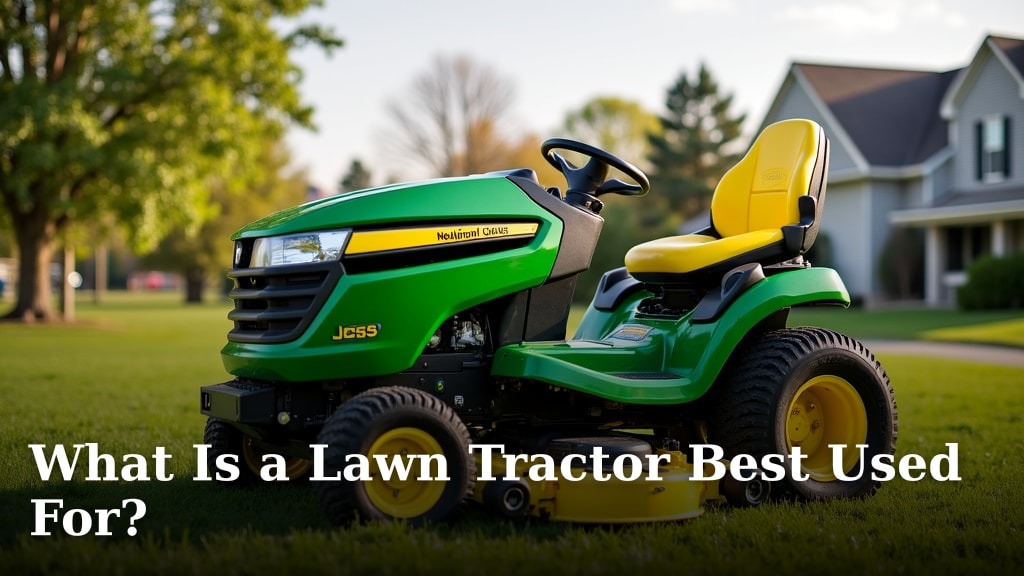
A lawn tractor is best used for mowing larger lawns quickly and efficiently. It’s also great for tasks like hauling garden materials and clearing snow with attachments. Think of it as your workhorse for property maintenance.
When your yard is too big for a push mower but not quite estate-sized, a lawn tractor shines. Many homeowners find they make yard work feel less like a chore. We found they offer a good balance of power and maneuverability for mid-sized properties.
- Lawn tractors excel at mowing lawns larger than 1/2 acre. This guide covers the best mowers for mowing larger lawns.
- They can handle towing trailers for mulch, soil, or debris.
- Attachments expand their use for snow removal and aeration.
- They offer more comfort and speed than smaller mowers.
- Consider your yard size and typical tasks for the best fit.
Ready to see if a lawn tractor is your yard’s new best friend? Let’s break down exactly what they’re good for and what they can do for you.
What You Can Actually Do With a Lawn Tractor
So, you’re wondering if a lawn tractor is the right tool for your property? You’re not alone! Many homeowners find themselves at this crossroads. We’ve found that lawn tractors really shine when your lawn size crosses a certain threshold. They offer a sweet spot of power and efficiency.
Think about your current mowing routine. Does it take you a long time? Do you dread pushing a mower across a large expanse of grass? If so, a lawn tractor could be your new best friend. We’ve observed that they can cut your mowing time in half, sometimes even more. This frees up your weekends for things you actually want to do.
The Primary Role: Big Lawns, Big Wins
The most obvious and primary use for a lawn tractor is, of course, mowing larger lawns. If your property is roughly half an acre or more, a riding mower like a tractor can be a game-changer. We found that they significantly reduce the physical strain compared to a walk-behind mower.
Consider the speed. A lawn tractor can cover ground much faster. This means you spend less time doing yard work and more time enjoying your home. We’ve seen how much easier it makes maintaining a pristine lawn, even when you have a busy schedule. It’s about making yard maintenance feel less like a chore and more like a manageable task.
Speed and Efficiency Gains
We found that the cutting decks on lawn tractors are typically wider than those on push mowers. This wider path means fewer passes are needed to mow the same area. It’s a simple equation: wider deck plus faster travel equals quicker mowing. Many users report a noticeable reduction in mowing time after switching to a tractor.
This efficiency isn’t just about speed. It’s also about the comfort. You’re sitting down, steering, and letting the machine do the heavy lifting. We’ve found that for properties over half an acre, the comfort factor alone makes a lawn tractor a wise investment. Your back and your legs will thank you!
Beyond Mowing: Versatility is Key
While mowing is their main gig, lawn tractors are surprisingly versatile. With the right attachments, they can transform into a multi-purpose machine for your property. This means you might be able to tackle more than just grass cutting throughout the year. We found that this versatility is a big reason why many homeowners choose a tractor.
Towing and Hauling Made Easy
One of the most popular secondary uses for a lawn tractor is hauling garden materials. Most lawn tractors come equipped with a hitch, ready to tow a small utility cart or trailer. Imagine moving mulch, soil, firewood, or yard waste without breaking a sweat. We’ve found this makes garden projects and cleanup tasks much more manageable.
A trailer hitched to your tractor can carry a surprising amount of weight. This is incredibly useful for larger landscaping projects. Instead of making multiple trips with a wheelbarrow, you can move larger quantities in one go. We found that this feature alone saves homeowners a lot of time and energy.
Tackling Winter’s Challenges
Did you know your lawn tractor can help you out even when the grass isn’t growing? With specific attachments, a lawn tractor can be used for clearing snow. A snow blade or a snow blower attachment can make short work of driveways and walkways. We found this is a fantastic way to get more use out of your investment year-round.
Clearing snow with a tractor is far less strenuous than shoveling. You can cover a large area quickly and stay out of the elements. Many users appreciate being able to clear their property efficiently before heading off to work or running errands. We’ve seen how this attachment can turn a dreaded winter chore into a much simpler task.
Ground Maintenance and Aeration
Looking to improve your lawn’s health? Lawn tractors can also be fitted with attachments for aeration and dethatching. Aerating your lawn helps water, air, and nutrients penetrate the soil, leading to a healthier, greener yard. Dethatching removes the layer of dead grass and debris that can suffocate your lawn.
We found that using these attachments with a tractor is far less labor-intensive than manual methods. It allows homeowners to perform regular lawn care that significantly improves curb appeal. It’s a great way to give your lawn the attention it deserves without all the physical strain.
Comparing Lawn Tractors to Other Mowers
It’s helpful to understand where a lawn tractor fits in the mower spectrum. They aren’t the smallest, nor are they the largest. Their sweet spot is in the middle, offering a balance of capability and convenience. We’ve found that understanding these differences helps you make the best choice for your needs. It’s helpful to understand where a lawn tractor fits in the mower spectrum, and our guide explains the differences.
Lawn Tractor vs. Riding Mower ( a bit of overlap here!)
Often, the terms “lawn tractor” and “riding mower” are used interchangeably. However, there are some distinctions. Generally, lawn tractors are built on a more robust frame. This allows them to handle attachments like snow blowers and tillers. They often have more powerful engines too. We found that this build quality supports their heavier-duty tasks.
Other riding mowers, sometimes called “garden tractors” (though that term can be confusing), might be designed more for mowing. They may not have the same towing capacity or the frame strength for demanding attachments. For the average homeowner wanting to mow and do light hauling, a lawn tractor hits that perfect balance. We’ve found this is what most people mean when they are looking for a riding mower.
Lawn Tractor vs. Zero-Turn Mower
Zero-turn mowers are known for their incredible maneuverability. They can turn on a dime, making them excellent for yards with many obstacles, tight corners, and landscaping features. We’ve found they offer a very precise cut and can often mow faster than lawn tractors.
However, zero-turns typically aren’t designed for heavy-duty towing or pulling attachments like snow blowers. Their primary focus is mowing speed and agility. Lawn tractors, while less agile in tight spots, offer more versatility for hauling and year-round tasks. We found that if your main goal is quick, efficient mowing and you also want to do other yard work, a lawn tractor often makes more sense. If your yard is a maze of flower beds and trees, a zero-turn might be better for just the mowing.
Lawn Tractor vs. Robotic Mower
Robotic mowers are the hands-off option. You set them up, and they mow your lawn automatically. They are great for maintaining a consistently manicured lawn with zero effort from you. We found that they can be a fantastic convenience for busy individuals.
The main difference? Robotic mowers are solely for mowing. They can’t haul, plow snow, or aerate your lawn. They also require a boundary wire to be installed around your property. Lawn tractors, while requiring your active involvement, provide a much broader range of capabilities beyond just grass cutting. We’ve observed that for homeowners who want to do more than just mow, the tractor’s versatility is a significant advantage.
When Is a Lawn Tractor NOT Your Best Bet?
While lawn tractors are incredibly useful, they aren’t the perfect fit for every situation. It’s important to be realistic about your property and your needs. We found that understanding their limitations is just as important as knowing their strengths.
If your lawn is smaller than half an acre, a push mower or a self-propelled mower is likely sufficient. You won’t gain much benefit from a tractor in this scenario. We’ve found that many people buy a riding mower for a small yard and then find it’s more than they need, becoming a space-hogging expense.
Also, consider terrain. If your yard is extremely hilly or has very steep slopes, you might need a mower specifically designed for such conditions. Some lawn tractors can handle moderate slopes, but very steep inclines can be dangerous. Always check the manufacturer’s specifications regarding slope tolerance. We found that safety should always be the top priority.
Key Considerations Before You Buy
When you’re ready to make a decision, keep these points in mind. Thinking through these aspects will help ensure you choose a lawn tractor that truly serves your needs. We’ve seen that the right machine makes all the difference.
- Yard Size: As we’ve discussed, this is the biggest factor.
- Terrain: Is your yard mostly flat, or does it have hills?
- Attachment Needs: Do you plan on hauling, plowing snow, or aerating?
- Storage Space: Where will you keep your tractor when it’s not in use?
- Budget: Lawn tractors vary widely in price based on features and power.
We found that taking the time to assess these factors will lead you to a more satisfying purchase. A lawn tractor is a significant investment, and you want it to be the right one for your property and lifestyle.
Conclusion
You’ve learned that a lawn tractor is more than just a mower; it’s a property maintenance powerhouse. We found they excel at making the job of mowing large lawns faster and easier. Their true strength lies in their versatility. With the right attachments, your tractor can haul materials, clear snow, and even improve your lawn’s health. Remember to consider your yard size and your specific needs before purchasing. Make sure to check your property’s terrain and plan for storage. This thoughtful approach ensures you get a tool that truly makes your property management simpler and more enjoyable.
Frequently Asked Questions
What’s the minimum lawn size that makes a lawn tractor worthwhile?
We generally recommend a lawn tractor for properties of at least half an acre. For smaller yards, a push mower often provides sufficient power and maneuverability without the extra space and cost of a tractor. You’ll see the biggest time savings on larger areas.
Can a lawn tractor really handle tough jobs like plowing snow?
Yes, with the correct attachments, a lawn tractor can be surprisingly capable in winter. Snow blade or snow blower attachments allow you to clear driveways and walkways efficiently. We found this makes your tractor a year-round asset.
How much weight can a lawn tractor safely tow?
Towing capacity varies by model, but most lawn tractors can comfortably pull utility carts filled with mulch, soil, or yard debris. Always check your tractor’s manual for specific weight limits. We found this feature is excellent for garden projects.
Are lawn tractors difficult to maneuver in tight spaces?
Compared to zero-turn mowers, lawn tractors offer less agility in very tight spots. We found their turning radius is wider. If your yard has many obstacles, you might need to make more passes or use a trimmer for touch-ups.
What’s the main advantage of a lawn tractor over a zero-turn mower?
The primary advantage of a lawn tractor is its broader versatility. We found they are often better equipped to handle towing and attachments for tasks beyond mowing, such as snow removal or hauling. Zero-turns are built for speed and precision cutting in complex areas.
