
How To Add A Bag To Lawn Mower?
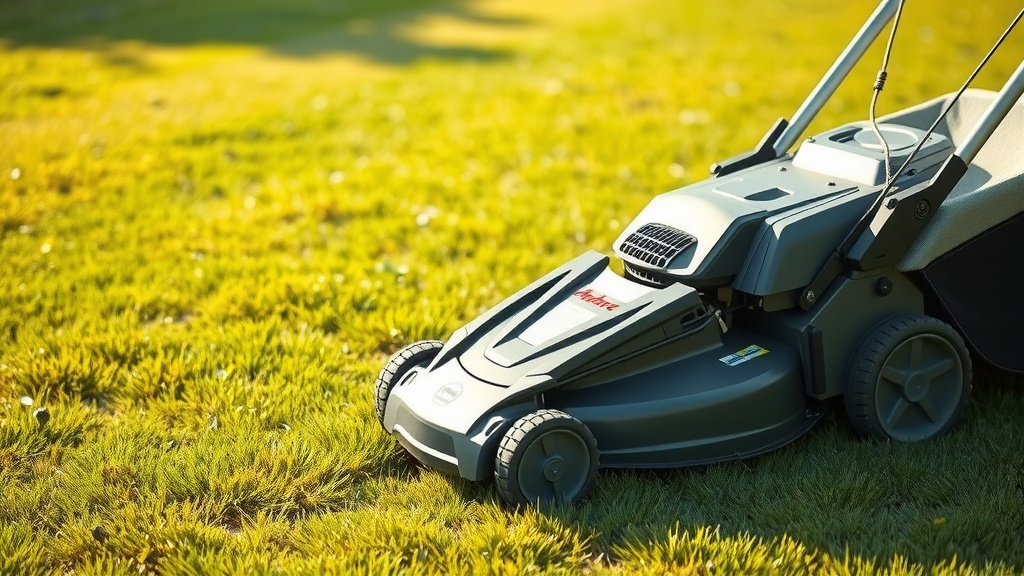
To add a bag to your lawn mower, always start by ensuring the engine is completely off and cool, with the spark plug wire disconnected for safety. Then, locate your mower’s grass discharge chute, which is typically at the rear or side.
Carefully position the bag’s frame onto the designated hooks or slots on the mower deck, making sure it fits snugly and locks into place to prevent it from detaching during operation.
Here’s a quick overview of what you’ll find in this guide about adding a bag to your lawn mower:
- You’ll learn the straightforward steps to attach a grass collection bag to most common lawn mower types.
- We’ll cover the essential safety precautions you need to take before starting any installation.
- Understand the key benefits of bagging your lawn clippings for a tidier yard.
- Discover practical tips for choosing the right bag and keeping it well-maintained for lasting use.
How To Add A Bag To Lawn Mower?
Adding a bag to your lawn mower involves securing the bag’s frame onto the mower’s discharge area. It’s a simple process that keeps your yard neat and tidy.
Always remember to prioritize safety; turn off the engine and remove the spark plug wire before you begin any work on your mower.
Why Bag Your Clippings? The Benefits Are Clear
Many homeowners choose to bag their grass clippings for several good reasons. It keeps your lawn looking incredibly clean and reduces the amount of loose debris.
Research indicates that bagging can also help reduce thatch buildup over time (University of California Agriculture and Natural Resources). This means a healthier lawn for you.
Benefits of Bagging Grass Clippings
Bagging helps prevent the spread of weeds if your lawn has any seed-producing types. It gives your yard that manicured, professional look that many people enjoy.
For those with grass allergies, bagging can be a real game-changer. It removes the clippings and their allergens from your immediate environment, helping you breathe easier.
| Aspect | Bagging Clippings | Mulching Clippings |
|---|---|---|
| Lawn Appearance | Very clean, no visible clippings | Clippings return to lawn, may be visible |
| Nutrient Return | Less (removed with clippings) | More (natural fertilizer) |
| Thatch Potential | Reduces buildup | Can increase if cut too high |
| Effort | Requires emptying bag | No emptying, faster mowing |
Before You Begin: Preparation is Key
Getting ready before you start is super important. A little preparation ensures the process is smooth, safe, and effective when adding your bag.
Think of it like getting your ingredients ready before baking a cake – it makes everything so much easier!
Safety First, Always
This cannot be stressed enough: your safety comes first. We found that most lawn mower accidents happen during maintenance or inspection.
Always turn off the engine and allow it to cool completely. Then, remove the spark plug wire from the spark plug; this stops the engine from accidentally starting.
Checking Your Mower’s Compatibility
Does your mower even have a bagging attachment option? Most modern mowers do, but it’s worth a quick check.
Look for a discharge chute at the rear or side of the mower deck. This is where the bag will connect, channeling the clippings.
Choosing the Right Grass Bag
Mower bags aren’t one-size-fits-all. Many experts recommend using the original equipment manufacturer (OEM) bag designed specifically for your model.
If an OEM bag isn’t available, some universal bags might fit, but always verify compatibility with your mower’s make and model number before purchasing.
Gather Your Tools
You probably won’t need many tools. Sometimes, a flathead screwdriver can help pry open a stiff discharge chute flap.
However, for most installations, your hands are the only tools you’ll truly need to attach the bag properly.
The Step-by-Step Guide to Adding Your Bag
Alright, let’s get down to business! Adding the bag is often simpler than you might imagine, especially once you know where everything goes.
Just follow these steps, and you’ll be ready to mow with a bag in no time, collecting all those pesky clippings.
Locate the Discharge Chute
Your mower’s discharge chute is typically a wide opening on the deck. It’s usually at the rear for walk-behind mowers or sometimes on the side.
This is the funnel through which cut grass exits the mower deck and makes its way into your collection bag.
Prepare the Chute Opening
If your mower has a spring-loaded discharge flap, lift it up. You might also need to remove a mulching plug if your mower has one installed.
This plug often blocks the chute when you’re mulching, so it must be removed to allow clippings into the bag.
Attaching the Grass Bag
Now, take your grass bag. It usually has a frame designed to fit specific points on your mower deck.
Look for hooks, pins, or slots on the mower deck that match the frame of your grass bag. Some bags simply slide onto a track.
Securing the Bag Firmly
Align the bag’s frame with these mounting points. Push it firmly until it clicks or locks into place.
You should hear an audible click or feel it secure. Give it a gentle tug to make sure it’s stable and won’t fall off.
Double-Check Your Work
Before you restart the mower, take a moment to look over your installation. Is the bag squarely seated? Are all connections secure?
This quick check helps prevent the bag from detaching mid-mow, which can be frustrating and messy.
Troubleshooting Common Bagging Issues
Sometimes, things don’t go exactly as planned. Don’t worry, many common issues with grass bags have simple solutions.
We’ve gathered some typical problems and quick fixes you might encounter while using your new setup.
Bag Not Filling Properly
If your bag isn’t filling, check for blockages in the chute. Wet grass often clogs the passage, especially if it’s very thick.
Also, ensure the mower blades are sharp. Dull blades tear grass rather than cut it cleanly, which can affect bagging efficiency.
Bag Falling Off During Mowing
This usually means the bag wasn’t attached correctly. Go back and re-check the mounting points.
Ensure it’s fully seated and locked. Sometimes, worn or damaged bag frames can also cause it to detach.
Maintaining Your Bag and Mower
A little care goes a long way in extending the life of your mower bag and keeping your machine running well. Regular maintenance is a small task with big rewards.
It also ensures that your bagging system continues to work effectively season after season, saving you time and money.
Emptying the Bag Regularly
Don’t wait until the bag is overflowing to empty it. A full bag reduces airflow, which makes bagging less efficient and puts more strain on your mower.
Empty it when it’s about two-thirds full for best performance. This also makes the bag lighter and easier to handle.
Cleaning and Storage Tips
After each use, shake out any remaining clippings from the bag. Periodically, especially at the end of the season, give it a good clean.
Many experts suggest hosing it down and letting it air dry completely before storing to prevent mold and mildew (Purdue Extension).
Pre-Mow Bagging Checklist
- Is the engine off and cool?
- Is the spark plug wire disconnected?
- Are gloves handy for handling?
- Is the mower deck clear of debris?
- Is the bag free of any tears or damage?
Conclusion
Adding a bag to your lawn mower is a straightforward process that significantly enhances your lawn care routine. You’ll enjoy a cleaner yard, fewer clippings, and a more polished look.
Remember to always prioritize safety by turning off the mower and disconnecting the spark plug wire. With the right preparation and these simple steps, you’re all set to collect those clippings efficiently.
Enjoy your tidy lawn and the satisfaction of a job well done!
FAQs About Adding a Bag to Your Lawn Mower
Can I use any grass bag with my lawn mower?
No, not all grass bags are universal. It’s best to use a bag specifically designed for your mower’s make and model. Using an incompatible bag might lead to poor collection, an improper fit, or even damage to your mower.
Why is my lawn mower bag not collecting grass?
Several reasons could cause this. Check for clogs in the discharge chute, especially with wet grass. Ensure your mower blades are sharp; dull blades don’t create enough lift to push clippings into the bag. Also, verify the bag is securely attached and not overfilled.
Do I need to remove the mulching plug when bagging?
Yes, if your mower has a mulching plug, you must remove it before attaching the grass bag. The mulching plug blocks the discharge chute, preventing grass from entering the bag. It needs to be open for effective bagging.
How often should I empty my lawn mower bag?
It’s best to empty your lawn mower bag when it’s about two-thirds full. An overfilled bag reduces airflow, making the bagging less efficient and potentially straining your mower. Emptying it regularly also keeps the bag lighter and easier to manage.
Is it better to bag or mulch grass clippings?
The choice between bagging and mulching depends on your lawn’s needs and your preferences. Bagging provides a cleaner look and removes weeds, while mulching returns nutrients to the soil, acting as a natural fertilizer. Some experts suggest alternating between the two methods for a healthier lawn.
