
How To Build A Drag Racing Lawn Mower?
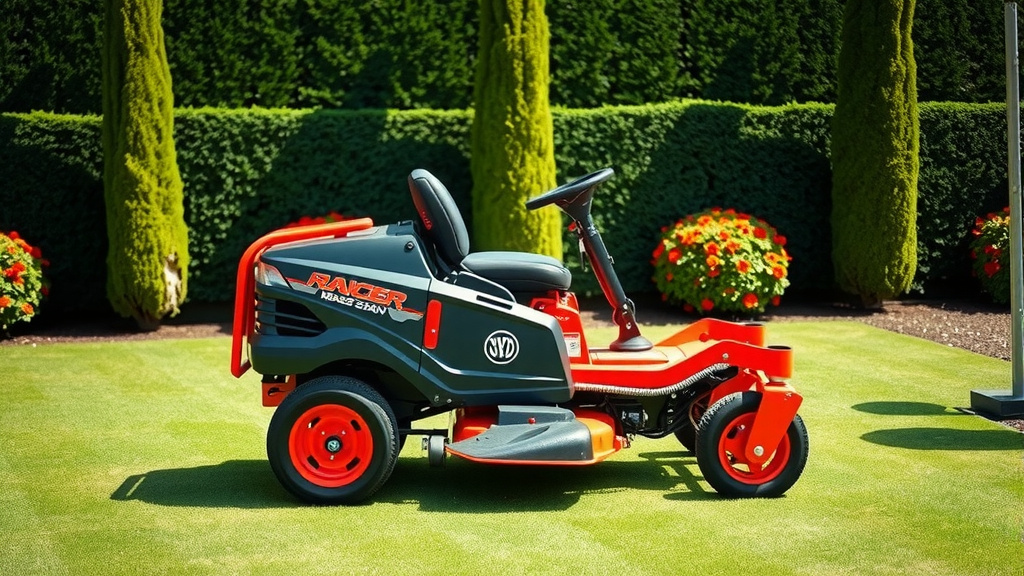
Building a drag racing lawn mower involves swapping the stock engine for a high-performance one, reinforcing the chassis, and upgrading the drivetrain to handle increased speed and power. You’ll focus on boosting horsepower, improving traction, and ensuring rider safety for the drag strip.
You can build a drag racing lawn mower by first stripping the base model, then carefully installing a powerful engine, fabricating a sturdy frame, and adding essential safety features like a roll cage and kill switch. This transformation turns a humble mower into a roaring speed machine.
Here’s a quick overview of what you’ll find in this guide:
- Discover the core reasons people love building these speed demons.
- Understand the critical components needed for a powerful upgrade.
- Walk through the step-by-step process of transforming your mower.
- Learn about essential safety modifications and pre-race checks.
- Get tips on legality and finding racing leagues.
How To Build A Drag Racing Lawn Mower?
Building a drag racing lawn mower transforms a garden tool into a competitive vehicle, focusing on speed and acceleration. It’s a project requiring mechanical skill, dedication, and a clear understanding of safety. We found that the core of this project lies in powerful engine upgrades and chassis modifications.
The Allure of Speed: Why Build One?
Ever look at your lawn mower and think, “What if?” You’re not alone! Many enthusiasts enjoy the challenge of building something unique. Transforming a standard mower into a drag racer offers a satisfying blend of engineering and adrenaline. It’s a fantastic way to stretch your mechanical muscles and join a fun community. Think of it as a creative outlet with a loud, fast reward.
Safety First: A Non-Negotiable
Before any wrench-turning begins, remember this: speed demands safety. A drag racing lawn mower is not a toy. It can reach speeds far beyond its original design. Many experts suggest always prioritizing safety features like roll cages and kill switches (National Motorsports Safety Association guidelines often emphasize this). You’re building a racer, not just a faster mower.
Key Components: What You’ll Need
To build your drag racing lawn mower, you’ll replace most stock components. We found that choosing the right parts is half the battle. This isn’t just about bolting on more power; it’s about creating a harmonious system. Each piece plays a critical role in your mower’s performance and safety on the strip.
Engine Upgrade: Power is Priority
This is where the magic happens! You’ll ditch the standard lawn mower engine for something with serious horsepower. Many builders opt for motorcycle engines or high-performance single-cylinder units. These engines offer a significant power boost. You need an engine that delivers reliable power, often a 250cc or larger, depending on your target speed.
Chassis Reinforcement: Keeping it Stable
A stock lawn mower frame isn’t designed for high speeds. You’ll need to strengthen the frame significantly, often adding tubing or fabricating a new rear section. This reinforcement prevents twisting and ensures the mower can handle the increased power. Stability at speed is absolutely key to controlling your machine.
Transmission Choices: Gear Up for Speed
The original transmission won’t cut it. You’ll want a proper gearbox, often from a motorcycle or a purpose-built racing transmission. This allows for better power delivery and more precise control over your speed. Many builders research and found that a manual transmission offers the most control. Finding the right gear ratios will be a fun challenge.
Wheels and Tires: Grip for the Strip
Traction is everything in drag racing. You’ll swap the skinny lawn mower tires for wider, stickier drag-specific tires, especially in the rear. These tires grip the asphalt, launching your mower forward with force. Front wheels might be smaller and lighter to reduce drag. Think about maximizing that contact patch. (Motor Racing Industry reports often discuss tire selection science).
Braking System: Stopping Power Matters
Going fast is exciting, but stopping is vital. Your stock brakes are inadequate for racing speeds. You’ll need to install a robust braking system, often disc brakes from a motorcycle or ATV. Many experts agree that reliable stopping power is just as crucial as acceleration. Don’t compromise here; it’s for your safety.
Here’s a quick comparison of key components:
| Component | Stock Lawn Mower | Drag Racing Lawn Mower |
|---|---|---|
| Engine | Single-cylinder (8-20 HP) | Motorcycle engine (20-60+ HP) |
| Chassis | Lightweight stamped steel | Reinforced steel tubing |
| Transmission | Hydrostatic or gear drive (limited speeds) | Multi-speed manual (motorcycle-based) |
| Rear Tires | Narrow, turf-friendly | Wide, sticky drag slicks |
| Brakes | Basic drum or disc | High-performance disc brakes |
The Build Process: Step-by-Step
Ready to get your hands dirty? This process takes time, patience, and some mechanical know-how. But don’t worry, you can tackle this project one step at a time. Breaking it down makes the task less intimidating and more enjoyable. Remember, every successful build starts with a solid plan.
Stripping Down the Mower
First, remove everything non-essential: the original engine, deck, cutting blades, and unnecessary wiring. You want a bare frame to start with. This step helps you visualize the space you have for new components. A clean slate is your best friend here.
Mounting the New Engine
This is often the most challenging part. You’ll need to fabricate custom motor mounts to securely hold your new, more powerful engine. Ensure the engine is aligned correctly with your planned transmission. Precision here will prevent vibration and wear later on.
Reinforcing the Frame
Weld in additional steel tubing to strengthen the chassis, especially around the engine and rear axle. We found that a solid frame provides the foundation for safe, high-speed operation. You might even consider extending the wheelbase slightly for better stability. Many builders look to existing designs for inspiration.
Installing New Drivetrain
Mount your chosen transmission and connect it to the engine and the rear axle. This often involves custom chain or belt drives. Proper alignment is absolutely essential to prevent premature wear and power loss. Take your time and double-check all connections.
Steering and Braking Adjustments
Upgrade your steering linkage if necessary for better control at speed. Install your new, stronger braking system. This might include new master cylinders and brake lines. You need to feel confident in your ability to steer and stop the machine.
Fuel System and Electrics
Install a proper fuel tank, lines, and an appropriate carburetor or fuel injection system for your new engine. Wire up the ignition, kill switch, and any essential gauges. Many enthusiasts simplify the electrical system to only what’s needed for racing.
Safety Modifications (Roll Cage, Kill Switch)
Fabricate and install a sturdy roll cage to protect the rider in case of a rollover. Mount a kill switch within easy reach that cuts power to the engine. These additions are not optional; they are paramount for your well-being. (Racing safety bodies strongly advocate these measures).
Before you hit the track, run through this quick safety checklist:
- Engine mounts are secure and tight.
- All brake lines are properly bled and functional.
- Steering linkages are free of play.
- Roll cage is securely welded and bolted.
- Kill switch functions correctly.
- Tire pressure is set according to recommendations.
Tuning Your Drag Mower
Once built, your drag mower will need tuning. This involves adjusting the carburetor, timing, and suspension to get the best performance. Small adjustments can make a big difference in quarter-mile times. We found that even experienced builders spend hours fine-tuning their machines. It’s an ongoing process of refinement.
Legality and Racing Leagues
Operating these machines on public roads is often illegal. You’ll need to find local or national lawn mower drag racing leagues. These organizations provide a safe and regulated environment for competition. Many regions have established communities; a quick online search can reveal events near you. Always check their specific rules before attending.
Conclusion
Building a drag racing lawn mower is a rewarding project that blends mechanical skill with the excitement of speed. From selecting a powerful engine to meticulously reinforcing the chassis and integrating crucial safety features, every step brings you closer to a roaring, custom-built machine. Remember to prioritize safety above all else, and enjoy the unique thrill of the drag strip. It’s a journey of learning, building, and ultimately, exhilarating speed.
What kind of engine is best for a drag racing lawn mower?
Many builders use motorcycle engines (like 250cc-600cc units) or high-performance single-cylinder engines designed for go-karts or small tractors. The key is finding an engine with high horsepower for its weight and a reliable power delivery for quick acceleration.
Do I need to reinforce the frame of my lawn mower?
Yes, absolutely. A stock lawn mower frame is not built to withstand the stresses of high-speed drag racing and powerful engines. You must reinforce it with additional steel tubing to prevent bending, twisting, or failure during operation, ensuring both performance and rider safety.
Are there specific tires I should use for drag racing lawn mowers?
For drag racing, you should use wide, soft-compound slick tires on the rear for maximum traction and grip on the asphalt. The front tires can be smaller and lighter to reduce rolling resistance. These specialized tires are critical for efficient power transfer and launches.
Is drag racing lawn mowers legal on public roads?
No, drag racing lawn mowers are generally not legal for use on public roads or property. They are purpose-built racing vehicles. You should only operate them in designated, sanctioned racing events or on private tracks with proper safety measures in place.
What is the most important safety feature for a drag racing lawn mower?
Many experts agree that a properly designed and installed roll cage, combined with an easily accessible engine kill switch, are among the most important safety features. These protect the rider in case of a rollover and allow for immediate engine shutdown in an emergency.
