
How To Care For Lawn Mower?
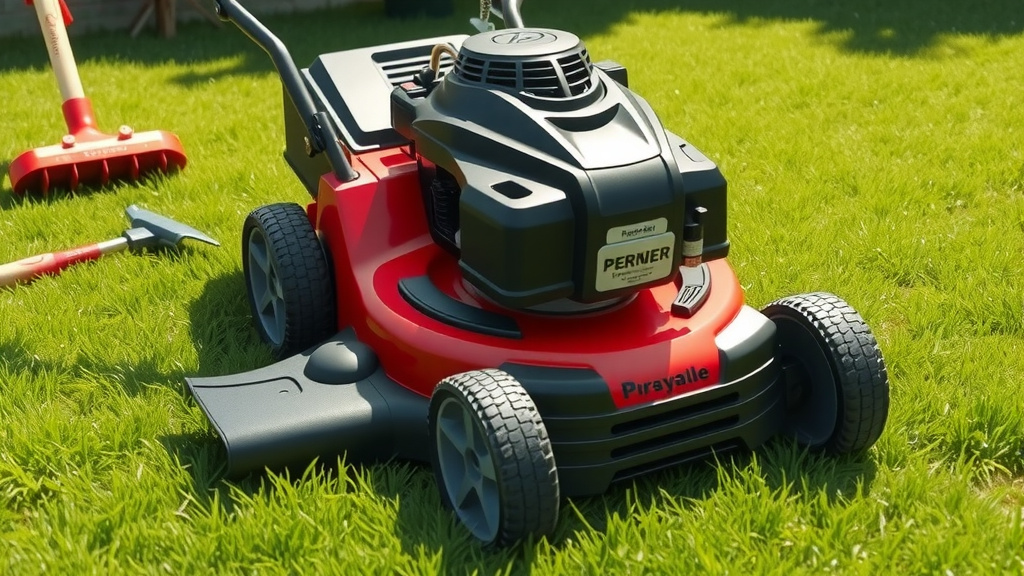
To properly care for your lawn mower, you need to perform routine maintenance like cleaning, sharpening blades, and regular engine checks. These simple steps prevent costly repairs and help your mower last for many seasons.
Effective lawn mower care extends its lifespan, ensures a healthy lawn, and keeps your machine running smoothly and efficiently. Consistent attention is key for peak performance.
- Regularly clean your mower deck to prevent grass buildup and rust.
- Keep blades sharp for a clean cut that promotes healthier grass.
- Change engine oil and air filters annually for optimal performance.
- Check spark plugs and fuel lines to ensure reliable starting.
- Properly prepare and store your mower for the off-season.
Every homeowner knows the joy of a neatly manicured lawn. But behind that perfect green carpet is often a well-maintained lawn mower. Think of your mower as a loyal workhorse; it needs your attention to keep delivering its best. Neglecting it is like not changing the oil in your car – it will eventually lead to bigger problems and headaches.
How To Care For Lawn Mower?
Caring for your lawn mower involves routine cleaning, blade sharpening, and engine maintenance to keep it performing at its best.
Why Mower Care Matters?
A well-cared-for mower not only cuts grass better but also lasts much longer. You save money by avoiding frequent repairs or premature replacements. We found that consistent maintenance can add years to your machine’s life (Consumer Reports).
Beyond the machine itself, proper care helps your lawn. Sharp blades give a clean cut, which helps the grass recover faster and reduces disease risk. Dull blades tear the grass, making it look ragged and prone to browning.
The Importance of a Clean Mower
Keeping your mower clean is perhaps the easiest and most overlooked step. Grass clippings, dirt, and debris can cause many problems. Imagine working out in dirty clothes; it just doesn’t feel right, does it?
Clearing the Deck
After each use, always scrape or hose down the underside of the mower deck. Accumulated grass clogs the discharge chute and can lead to rust. Many experts say a clean deck ensures proper airflow for better cutting and bag filling.
Disconnect the spark plug wire before tilting your mower to clean the deck. This is a vital safety step to prevent accidental starting. Always tilt the mower with the carburetor side facing up to prevent oil or fuel leaks.
Engine Area Dust-Off
Don’t forget the engine area! Dirt, dust, and grass can build up around the cooling fins and air filter. Use a brush or compressed air to keep these areas clear. A clean engine runs cooler and prevents overheating issues.
Keeping Those Blades Sharp
Think about cutting paper with dull scissors; it tears rather than cuts cleanly. Your mower blades are no different. Sharp blades are a non-negotiable part of effective lawn care.
When to Sharpen Blades
Many experts recommend sharpening your mower blade at least once per season, or more often if you mow frequently or hit obstacles. Research often connects dull blades with unhealthy lawn appearance (University of California Extension).
You can remove the blade and sharpen it yourself with a file or grinder, or take it to a professional. Just ensure the blade is balanced after sharpening. An unbalanced blade can cause vibrations and damage engine components.
Engine Health: Oil and Filters
Your mower’s engine is its heart, and like any heart, it needs clean fluids and proper airflow. Ignoring these components is a recipe for disaster. It’s a bit like giving your body good fuel versus junk food.
Changing the Oil
Most push mowers need an oil change at least once a season, or after every 25-50 hours of use. We found that regular oil changes significantly extend engine life. Always refer to your owner’s manual for specific oil type and change intervals.
Draining old oil and refilling with fresh, clean oil is a straightforward process. This simple task prevents premature wear on internal engine parts. Think of it as a small investment that yields big returns in longevity.
The Air Filter’s Role
The air filter protects your engine from dust and debris. A clogged air filter starves the engine of air, causing it to run poorly or lose power. Check your air filter frequently, especially in dusty conditions.
Some air filters can be cleaned, while others need to be replaced. Paper filters generally need replacement, while foam filters can often be washed and re-oiled. A clean air filter ensures your engine breathes freely, leading to better fuel efficiency and performance.
Spark Plug and Fuel Line Checks
These small components play a massive role in how your mower starts and runs. They are often overlooked but are simple to inspect and maintain. It’s like checking the batteries in your remote control – a small fix for a big impact.
Inspecting the Spark Plug
A fouled or worn spark plug can cause starting problems and rough engine running. Inspect it annually; look for deposits or corrosion. If it looks rough, simply replace it.
Replacing a spark plug is usually an inexpensive and easy DIY task. Make sure you use the correct type of plug for your mower. A fresh spark plug means easier starts and more reliable ignition.
Fuel System Pointers
Fuel lines can crack or become brittle over time, leading to leaks or air entering the system. Check them for any signs of damage. If you spot a problem, replace the line promptly to avoid fuel spills.
If your mower has a fuel filter, check it and replace it if it looks clogged or dirty. Many experts recommend adding a fuel stabilizer before storing your mower for more than a month. This prevents fuel from degrading and clogging the carburetor.
Off-Season Storage Tips
When the mowing season ends, your mower doesn’t just get shoved in the corner. Proper storage prepares it for its long winter nap and ensures it wakes up ready for spring. Think of it as tucking it in for hibernation.
Preparing for Winter
Before storing, run your mower until the fuel tank is empty, or add a fuel stabilizer. This prevents stale fuel from gumming up the carburetor. Clean the entire mower thoroughly, including the deck and engine.
Change the oil and air filter before storage, so it starts the next season with fresh fluids. Store your mower in a dry, covered area, away from harsh elements. This prevents rust and degradation of parts.
Here’s a quick checklist to keep your mower in top shape:
- Clean deck after every use.
- Check and sharpen blades regularly.
- Change oil annually.
- Inspect and clean air filter often.
- Replace spark plug yearly.
- Stabilize fuel for storage.
Here’s a simple guide for common maintenance tasks:
| Task | Frequency | Why It Matters |
|---|---|---|
| Clean Deck Underside | After Each Use | Prevents grass buildup and rust. |
| Check & Sharpen Blades | Monthly / Seasonally | Ensures clean cuts, healthier lawn. |
| Check Air Filter | Every 25 hours / Monthly | Maintains engine performance, fuel efficiency. |
| Change Engine Oil | Annually / Every 50 hours | Extends engine life, prevents wear. |
| Inspect Spark Plug | Annually | Ensures easy starts and reliable ignition. |
| Check Fuel Lines | Annually | Prevents leaks and fuel delivery issues. |
Conclusion
Caring for your lawn mower doesn’t need to be a complicated chore. By following these straightforward maintenance tips, you can ensure your machine is always ready for action. Regular cleaning, sharp blades, and consistent engine care are your best allies. These steps save you money on repairs and give you the peace of mind that your mower will perform reliably season after season. A little effort now means a beautiful lawn and a happy mower later.
What are the signs my lawn mower blades need sharpening?
You’ll notice your lawn grass looking torn, frayed, or shredded at the tips after mowing, instead of having a clean, even cut. If your lawn appears ragged or brownish after mowing, it’s a clear indication your blades are dull and need attention.
How often should I change the oil in my lawn mower?
For most residential push mowers, it’s recommended to change the oil at least once per mowing season or every 25-50 hours of use, whichever comes first. Always check your specific owner’s manual for the precise recommendation and oil type.
Is it better to store a lawn mower with a full or empty fuel tank?
Many experts advise either running the fuel tank completely empty or filling it with fresh fuel treated with a fuel stabilizer. An empty tank prevents old fuel from degrading and clogging the carburetor, while stabilized fuel remains good over long periods.
Can I clean my air filter, or do I always need to replace it?
It depends on the type of filter. Foam air filters can often be washed with soapy water, thoroughly dried, and re-oiled. Paper or pleated filters, however, typically need to be replaced when they appear dirty or clogged to ensure proper engine airflow.
What’s the most important safety tip when performing mower maintenance?
The most important safety tip is to always disconnect the spark plug wire before performing any maintenance, especially when cleaning the blades or working near the deck. This prevents the engine from accidentally starting, which could cause serious injury.
