
How To Change Lawn Mower Filter?
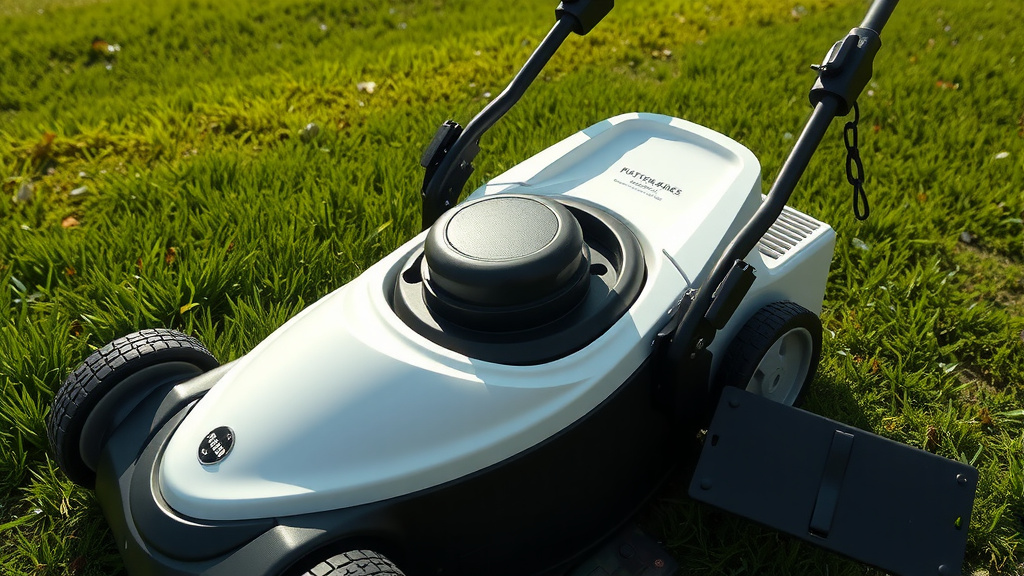
To change a lawn mower filter, first disconnect the spark plug for safety. Then, locate the filter housing (air or fuel), remove the old filter, clean the area, and install the new one, ensuring a secure fit.
Properly changing your lawn mower filter ensures optimal engine performance, improves fuel efficiency, and extends the life of your machine, preventing common issues like sputtering or power loss.
For those short on time, here’s the quick rundown:
- Always prioritize safety: disconnect the spark plug before starting.
- Locate either the air or fuel filter, typically in an easy-to-reach housing or inline.
- Carefully remove the old filter, noting its orientation.
- Clean any surrounding debris before installing the new, correct filter.
- Replacing filters regularly keeps your mower running strong, saving you headaches and money.
How To Change Lawn Mower Filter?
Changing your lawn mower’s filter is a straightforward maintenance task that can make a huge difference. You’re giving your engine clean air or fuel, helping it run smoothly and last longer.
Why Your Lawn Mower Needs a Clean Filter
Think of your lawn mower’s engine as a living thing. Just like you need clean air to breathe, your engine needs clean air to mix with fuel. It also needs clean fuel to burn.
A dirty filter is like trying to breathe through a pillow. It chokes the engine, making it work harder. This leads to reduced power and fuel waste, nobody wants that on a Saturday morning.
We found that regular filter changes improve your mower’s life. Many experts say it prevents costly engine repairs down the road (Consumer Reports).
Discovering Your Mower’s Filter Types
Your lawn mower probably has at least two types of filters: an air filter and a fuel filter. Some may also have an oil filter. Knowing what each one does helps you keep your machine in top shape.
| Filter Type | What It Does | Location | Signs It Needs Changing |
|---|---|---|---|
| Air Filter | Keeps dirt and debris out of the engine’s combustion chamber. | Inside a plastic or metal housing, often on the side or top of the engine. | Engine struggles, black smoke, visible dirt. |
| Fuel Filter | Stops sediment and contaminants from reaching the carburetor. | Inline on the fuel line between the tank and carburetor, or inside the fuel tank itself. | Mower starts then dies, sputtering, loss of power under load. |
The Vital Air Filter
The air filter protects your engine from dust, grass clippings, and other airborne gunk. If you mow in dry, dusty conditions, your air filter will get dirty faster. This is why checking it often is smart.
There are different types, too. You might find a pleated paper filter, a foam filter, or a combination of both. Always use the type recommended for your specific mower.
The Essential Fuel Filter
Your fuel filter is the silent hero, ensuring only clean fuel reaches the carburetor. Water, rust, and debris can collect in your fuel tank. This filter catches these things before they cause trouble.
A clogged fuel filter starves the engine of fuel. This can cause frustrating starting problems or mid-mow shutdowns. Imagine getting halfway through your yard only for the mower to quit.
Safety First: Preparing for the Job
Before you touch anything, let’s talk safety. This isn’t just a suggestion; it’s a rule. You’re working with fuel and moving parts, even if they aren’t moving right now.
A simple mistake could cause a bad injury. Many guidelines point to disconnecting the spark plug as a crucial first step (OSHA safety guidelines).
Here’s a quick safety checklist:
- Make sure the engine is completely cool.
- Place your mower on a flat, stable surface.
- Disconnect the spark plug wire to prevent accidental starting.
- Wear gloves to protect your hands.
- Consider eye protection, especially when working with fuel.
- Have a clean rag and appropriate tools handy.
Replacing Your Lawn Mower’s Air Filter
This is probably the most common filter you’ll change. It’s a bit like giving your mower a fresh pair of lungs. You’ll be amazed at how much gunk can collect in there.
Finding and Removing
The air filter housing is usually a plastic or metal box. It’s often on the side of your engine, secured by clips or screws. Open it up, and you’ll see the old filter nestled inside.
Carefully remove the old filter. Take a mental picture of how it sits. Some filters have a specific orientation, and you want the new one to fit just right.
Cleaning and Installing
Take a moment to clean inside the housing. Use a clean cloth or a small brush to remove any dirt or grass clippings. You don’t want old debris falling into your engine with the new filter.
Now, place the new air filter in the housing. Make sure it seats properly, following the orientation of the old one. Close the cover, securing it tightly with the clips or screws.
Swapping Out Your Lawn Mower’s Fuel Filter
Changing a fuel filter can feel a little more involved, mainly because you’re dealing with fuel. But don’t worry, it’s totally doable with a bit of care.
Fuel Line Prep
Before anything, make sure your fuel tank is as empty as possible. You can also pinch off the fuel line with clamps if you can’t empty it. Have a small container ready to catch any spills.
Locate the fuel filter. It’s typically a small, transparent cylinder inline on the rubber fuel hose. This hose runs from the fuel tank to the carburetor.
Removal and Replacement
You’ll see two clamps, one on each side of the filter, holding it to the fuel line. Gently loosen these clamps, then carefully pull the fuel lines off the old filter. Be ready for a small amount of fuel to drip out.
Insert the new fuel filter into the line, paying attention to the arrow on the filter. This arrow shows the direction of fuel flow, which is towards the carburetor. Reattach the clamps securely.
Reconnect the spark plug wire. Add fresh fuel, if you drained it, and check for any leaks around the new filter. Then, you’re ready to start it up and listen for that smooth purr.
What Are the Warning Signs of a Dirty Filter?
Your mower usually tells you when something is wrong. Paying attention to these signals helps you catch problems early. A dirty filter often gives clear hints.
- Engine Sputtering: Does your mower sound like it’s clearing its throat?
- Loss of Power: Does it bog down easily in thick grass?
- Difficulty Starting: Does it crank and crank without catching?
- Excessive Smoke: Black smoke can signal a lack of air.
- Visible Dirt: A quick visual check often shows a filter choked with debris.
Selecting the Correct Replacement Filter
Don’t just grab any filter off the shelf. Using the wrong filter can cause more problems than it solves. It’s like putting mismatched parts into a finely tuned machine.
Always check your mower’s owner’s manual for the exact part number. This is the most reliable way to ensure compatibility. If you don’t have the manual, the mower’s model number can guide you.
We found that using OEM (Original Equipment Manufacturer) filters often provides the best fit and performance. However, high-quality aftermarket options are also available and can save you a few dollars.
How Often Should You Change Mower Filters?
There isn’t a single answer, as it depends on how much you use your mower and your mowing conditions. However, general guidelines exist.
Many experts suggest changing your air filter at least once per mowing season, or every 25 hours of operation. If you mow in dusty areas, consider doing it more often. Think of it as a small investment in your mower’s health.
For fuel filters, many manufacturers suggest annual replacement. This helps keep your fuel system clean year-round. Always refer to your owner’s manual for specific recommendations.
Conclusion
Changing your lawn mower filters is a small task that yields big rewards. It keeps your mower running efficiently, extends its lifespan, and helps you avoid frustrating breakdowns. By following these straightforward steps, you’re not just replacing a part; you’re investing in the longevity and smooth operation of your valuable lawn care equipment. So, grab your tools, embrace the satisfaction of DIY maintenance, and keep your lawn looking fantastic.
What tools do I need to change a lawn mower filter?
Generally, you’ll need a screwdriver (flathead or Phillips, depending on your filter housing), a wrench or socket set for some fuel line clamps, a clean rag, and possibly fuel line clamps if you’re changing the fuel filter. Always consult your mower’s manual for specific tool recommendations.
Can I clean my lawn mower air filter instead of replacing it?
It depends on the type. Foam filters can often be washed with soapy water, rinsed, and allowed to air dry, then lightly oiled. Pleated paper filters, however, should typically be replaced. You can gently tap them to dislodge loose debris, but washing or using compressed air can damage the paper elements.
How do I know which direction to install a new fuel filter?
Most inline fuel filters have an arrow molded onto the casing. This arrow indicates the direction of fuel flow. Always install the filter so the arrow points towards the carburetor and away from the fuel tank.
What happens if I don’t change my lawn mower filters?
Neglecting filter changes can lead to several problems. For air filters, it can cause poor engine performance, reduced power, increased fuel consumption, and eventually engine damage. For fuel filters, it can cause the engine to sputter, lose power, fail to start, or suddenly stop while operating.
Is it better to use OEM or aftermarket filters?
OEM (Original Equipment Manufacturer) filters are designed specifically for your mower and often offer the best fit and performance. Aftermarket filters can be a more affordable option, but it’s important to choose reputable brands known for quality. We found that matching the specifications and quality of the original filter is key, regardless of brand.
