How To Cut Lawn Grass Without Mower?
Yes, you can absolutely cut lawn grass without a traditional mower.
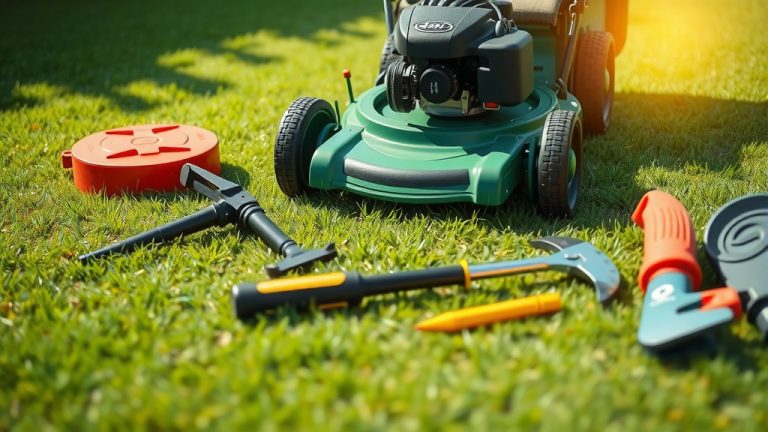
Many effective manual and powered alternatives exist for maintaining a tidy yard, including hand shears, scythes, and string trimmers.
- You can maintain your lawn without a mower using several tools.
- Hand shears offer precise control for smaller areas and detailed work.
- Scythes provide a traditional, quiet, and satisfying way to cut larger lawns.
- String trimmers, also known as weed whackers, are a powerful, modern alternative for bigger spaces.
- Proper preparation, safety measures, and consistent technique are key to a neat finish.
How To Cut Lawn Grass Without Mower?
You can cut lawn grass without a mower using tools like hand shears, scythes, or string trimmers. These methods offer control and are suitable for various lawn sizes and situations.
Why Go Mower-Free?
Life throws curveballs, right? Maybe your mower decided to quit mid-summer, or perhaps you’re seeking a quieter, more eco-friendly way to keep your lawn looking sharp. We get it. There are many reasons you might need to skip the traditional machine.
Some people enjoy the peace of mind that comes from a less noisy approach. Others see it as a fantastic way to get some extra exercise. Whatever your motivation, know that keeping your lawn tidy without a mower is entirely possible.
The Low-Tech Approach: Shears and Scissors
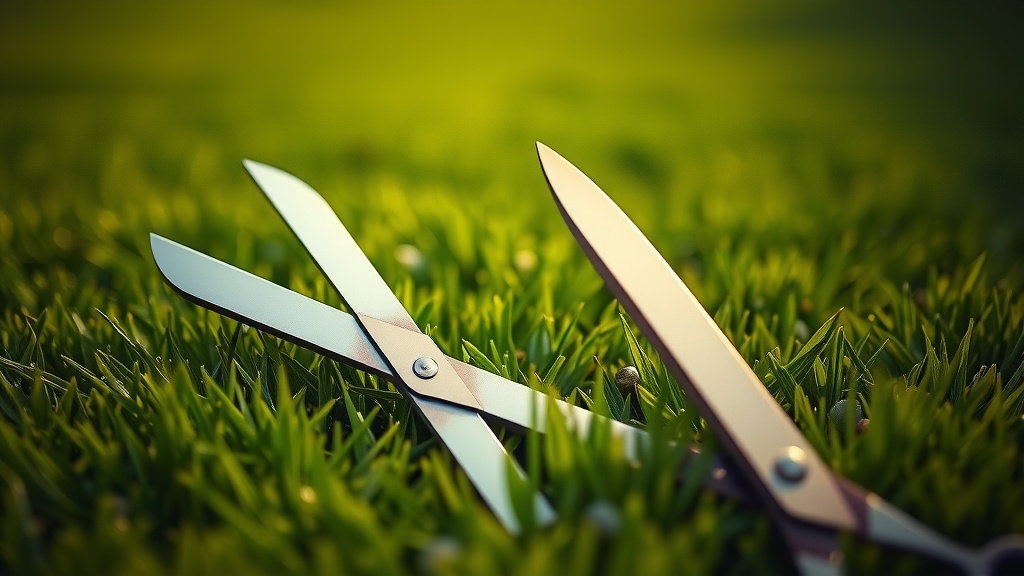
Think about getting a haircut. Precision is often key. For smaller lawns, or when tackling just a few unruly patches, hand shears or even sturdy household scissors work surprisingly well. They give you complete control.
This method is perfect for those quiet mornings in the garden. You can snip away at stray blades, ensuring a very clean finish around flower beds or pathways. It’s a bit like giving your lawn a trim with surgical precision.
Scythes: The Classic Way to Mow
Ever seen old paintings of farmers in fields? They’re often wielding a scythe. This ancient tool is designed for cutting large areas of grass by hand, offering a rhythmic, almost meditative process. Many experts say it’s quite satisfying once you learn the technique.
A well-sharpened scythe can make surprisingly quick work of taller grass, especially if your lawn is larger than a postage stamp but too big for hand shears alone. It’s a zero-emission option that also gives you a great arm and core workout.
Tools for a Mower-Less Lawn
Choosing the right tool depends on your lawn’s size and the effort you’re willing to put in. Each option brings something different to the table. Let’s compare a few common alternatives.
| Tool | Best Use | Effort Level | Pros | Cons |
|---|---|---|---|---|
| Hand Shears | Small lawns, edging, detail work | High | Precise, quiet, great for tight spots | Slow, physically demanding |
| Scythe | Medium to large lawns with taller grass | Medium to High | Efficient for large areas, quiet, eco-friendly | Requires skill, maintenance (sharpening) |
| String Trimmer | Medium to large lawns, overgrown areas | Low to Medium | Fast, powerful, cuts thick grass | Noisy, less precise, uses fuel/electricity |
Hand Shears for Precision
When you need to get into those tight corners, around trees, or along fences, hand shears are your best friend. They’re lightweight and incredibly maneuverable. We found that they are fantastic for giving your lawn a manicured look without needing a big machine.
Just grab a comfortable pair, kneel down, and start snipping. You’ll have absolute control over the grass length. This method also lets you snip individual weeds as you go, keeping your lawn pristine.
String Trimmers: Power Without Wheels
A string trimmer, often called a weed whacker, is probably the closest you’ll get to a mower’s power without the wheels. These tools use a rapidly spinning line to cut grass and weeds. They’re perfect for larger areas or when the grass has gotten a bit too tall.
You can find them in electric (corded or battery-powered) or gas models. Electric ones are lighter and quieter, great for smaller to medium yards. Gas models offer more power for tougher jobs, but they are louder and require fuel. Always wear proper safety gear with a string trimmer.
Preparation Is Key
Before you start any cutting project, a little prep work goes a long way. Think of it like cooking: you gather your ingredients first. Clear your lawn of any sticks, stones, toys, or other debris. This prevents damage to your tools and keeps you safe.
Consider the timing too. Cutting when the grass is dry is always best. Wet grass can clump, make a mess, and be harder to cut cleanly. Aim for a dry afternoon for the best results.
Getting Started Safely
Your safety is top priority, no matter how you’re cutting grass. Even with hand tools, you’ll be bending and moving quite a bit. Always wear sturdy shoes, long pants, and consider gloves to prevent blisters. When using a scythe or string trimmer, safety glasses are a must.
Staying hydrated is also important, especially if you’re working in warm weather. Take breaks when you need them. Remember, it’s not a race; it’s about getting the job done well and safely. Many health organizations, like the CDC, stress the importance of hydration during outdoor work.
Techniques for a Tidy Finish
No matter which tool you choose, a good technique will help you achieve a neat, even lawn. Consistency is your friend here. Try to cut the grass at a uniform height across your entire yard.
When using hand tools, aim for small, overlapping sections. With a scythe, a wide, sweeping motion works best. For string trimmers, move in a side-to-side arc, letting the tip of the line do the cutting. Think of it as painting a wall; you want smooth, even strokes.
The “One-Third Rule” Still Applies
You’ve probably heard of the one-third rule for mowing. It means you should never remove more than one-third of the grass blade’s total height at one time. This rule is just as important when cutting manually. Many gardening experts agree this promotes a healthier, greener lawn.
Cutting too much can stress the grass, making it weaker and more prone to disease or weeds. If your grass has gotten very long, plan to cut it in stages over a few days. This gradual reduction helps the lawn recover better.
Dealing with Tricky Areas
Every lawn has its challenges—maybe a steep slope, an awkward corner, or decorative elements. These spots can be tough for a mower but are often easier with manual tools. Hand shears are perfect for those intricate areas where precision counts.
For slopes, working across the incline rather than up and down can be safer and less tiring. String trimmers can handle uneven terrain well. Just take your time and adjust your stance for better balance and control.
What About Lawn Health?
Cutting your grass without a mower doesn’t change the basic needs of a healthy lawn. You still want to ensure it gets enough water and nutrients. In fact, cutting with manual tools often leaves longer clippings, which can act as a natural fertilizer as they break down.
Leaving grass a bit taller, which is often easier with manual methods, can help shade the soil. This reduces water evaporation and can even discourage weeds, as we found through various gardening guides. Taller grass means deeper roots and better drought resistance.
When a Mower Might Still Win
While cutting grass without a mower is certainly doable, it’s honest to say it’s not always the quickest option. If you have a very large property, say an acre or more, or if your time is severely limited, a traditional mower might still be the most practical choice.
However, for smaller urban yards, or those looking for a specific aesthetic, the manual approach holds its own. It’s all about balancing your needs with your available tools and time. There’s no single right answer for everyone.
A Quick Checklist for Mower-Free Lawn Care
- Clear debris from your lawn before starting.
- Choose the right tool for your lawn size and grass height.
- Wear appropriate safety gear, like gloves and eye protection.
- Cut when the grass is dry for the best results.
- Follow the one-third rule to maintain grass health.
- Take regular breaks to avoid fatigue.
Conclusion
Cutting your lawn grass without a mower is not only possible but can also be a rewarding experience. Whether you’re embracing the quiet precision of hand shears, the rhythmic motion of a scythe, or the power of a string trimmer, you have great options. This approach offers benefits like increased physical activity, reduced noise pollution, and a deeper connection to your outdoor space. By preparing properly, staying safe, and using the right techniques, you can achieve a beautifully maintained lawn that reflects your effort and care. So go ahead, step outside, and see what you can accomplish with a little elbow grease and the right tool.
Can I use kitchen scissors to cut my grass?
While you theoretically could use kitchen scissors for a tiny patch of grass, it’s not recommended for anything more than a few stray blades. Kitchen scissors aren’t designed for cutting grass; they’ll dull quickly, be uncomfortable to use, and won’t provide a clean, even cut. Dedicated hand grass shears are far more effective and comfortable.
How long does it take to cut an average-sized lawn with a scythe?
The time it takes to cut a lawn with a scythe varies significantly based on skill level, grass height, and lawn size. For someone experienced, a scythe can be surprisingly efficient, cutting a medium-sized lawn (e.g., 5,000 sq ft) in an hour or two. Beginners will need more time to master the technique.
Is cutting grass by hand better for the lawn?
Cutting grass by hand can be very beneficial for the lawn. Hand tools often provide a cleaner cut than dull mower blades, reducing stress on the grass. This method also allows for more precise trimming, and the longer clippings left behind can return valuable nutrients to the soil as they decompose, supporting healthier growth.
What safety precautions are essential when using a string trimmer?
When using a string trimmer, always wear eye protection (safety glasses or a face shield) to guard against flying debris. Long pants, closed-toe shoes, and gloves are also highly recommended. Be aware of your surroundings, keep bystanders and pets at a safe distance, and never use the trimmer above waist height.
Are there any battery-powered alternatives to traditional mowers for larger yards?
Yes, many modern battery-powered string trimmers and even manual reel mowers are suitable for larger yards. High-voltage battery string trimmers offer extended run times and power comparable to some gas models without the noise or emissions. Manual reel mowers, while requiring physical effort, can handle surprisingly large areas quietly and without fuel.