How to Choose a Lawn Edger for Your Yard
The best lawn edger tool matches your border, workload and power source: choose a dedicated edger for deep, straight lines, a cordless trimmer-edger for flexible yard work, or a 3-in-1 tool for compact lawns.
On this page (9 sections)
- How do you choose the best lawn edger tool?
- What border are you cutting?
- Do you need a dedicated edger or a trimmer-edger?
- Which power source fits your yard?
- How much edging does your yard need?
- What setup should you complete before edging?
- How should you edge a lawn?
- What care does a lawn edger need?
- Which lawn edger should you choose?
The best lawn edger tool depends on your border type, yard size, workload and power source. Choose a dedicated blade edger for crisp lines and trenching, a cordless trimmer-edger for flexible maintenance, or a 3-in-1 tool when a small lawn needs mowing, trimming and edging from one machine.
A lawn edge can meet a sidewalk, driveway, garden bed, fence, retaining wall or another lawn area. Each border changes how much control, depth and protection you need.
The WORX Electric Lawn Edger is the strongest match here for a defined blade edge and trenching work. For specific buying options, see our lawn edger deals guide.
The WORX 20V model fits buyers who want trimming and edging in one lighter cordless tool, while the BLACK+DECKER 3-in-1 suits compact lawns where mowing is part of the same job.
How do you choose the best lawn edger tool?
Choose the best lawn edger tool by answering 4 questions: what border you cut, how often you maintain it, how much ground you cover and where power comes from.
A dedicated edger has a focused job. A trimmer-edger offers more flexibility, while a mower-trimmer-edger saves storage space by combining several lawn tasks.
Use this quick guide:
| Your situation | Best match | Why |
|---|---|---|
| Straight sidewalk or driveway borders | Dedicated blade edger | A guide and blade make the cut easier to keep aligned |
| Garden beds with plants nearby | Trimmer-edger with a guard | A spacer or flower guard helps protect nearby plants |
| Large or separated lawn areas | Cordless tool | You can move between areas without managing an extension cord |
| Small lawn needing several tasks | 3-in-1 mower, trimmer and edger | One machine covers mowing, trimming and edging |
| Border that needs a narrow trench | Edger with depth settings | Adjustable depth helps match the cut to the task |
Before choosing, decide whether you want a visible line only or a deeper separation between turf and soil. A light maintenance edge needs less cutting depth than a border that has grown together over several weeks.
If you are still comparing the basic tool types, our guide to what is a weed trimmer explains how string trimmers differ from dedicated edgers and other lawn tools.
What border are you cutting?
The border material and shape should decide how much blade control you need. Hard, straight borders favor a dedicated edger, while irregular garden beds often favor a guarded trimmer-edger.
Sidewalks and driveways usually reward a straight, repeatable line. A wheel or cutting guide can help you keep the tool moving at a consistent distance from the hard surface.
Garden beds need more care because flowers, shrubs, landscape ornaments and loose soil may sit close to the grass. A spacer guard can reduce the chance of moving too close to plants, but you still need to guide the tool slowly.
Fences and walls can make access awkward. A tool with an adjustable handle or shaft can help you find a comfortable position without leaning the machine into the border.
If the edge has become wide or uneven, you may need more than a surface trim. Follow this guide to use a manual lawn edger for controlled edge cleanup.
A blade edger with selectable depth can cut into the soil to restore a clearer boundary.
For an uneven property, compare the options in our guide to the lawn edger and trencher. A trenching task needs more planning than a simple pass along a sidewalk.
Do you need a dedicated edger or a trimmer-edger?
A dedicated edger is best when edge quality is the main goal. If you use a zero-turn mower, this guide explains how to choose its string trimmer.
A trimmer-edger is best when you also need to cut grass around obstacles and want one tool to switch between tasks.
A dedicated blade travels along a fixed path and removes a narrow strip of grass or soil. That setup can make it easier to repeat the same line each time you maintain the yard.
A trimmer-edger uses line rather than a rigid blade. For the terminology difference, see weed eater vs string trimmer.
It can trim grass around posts, beds and uneven spots, then move into an edging position for a border pass.
The trade-off is specialization. A dedicated edger may be less useful for general grass trimming, while a trimmer-edger may take more attention to keep the edge straight.
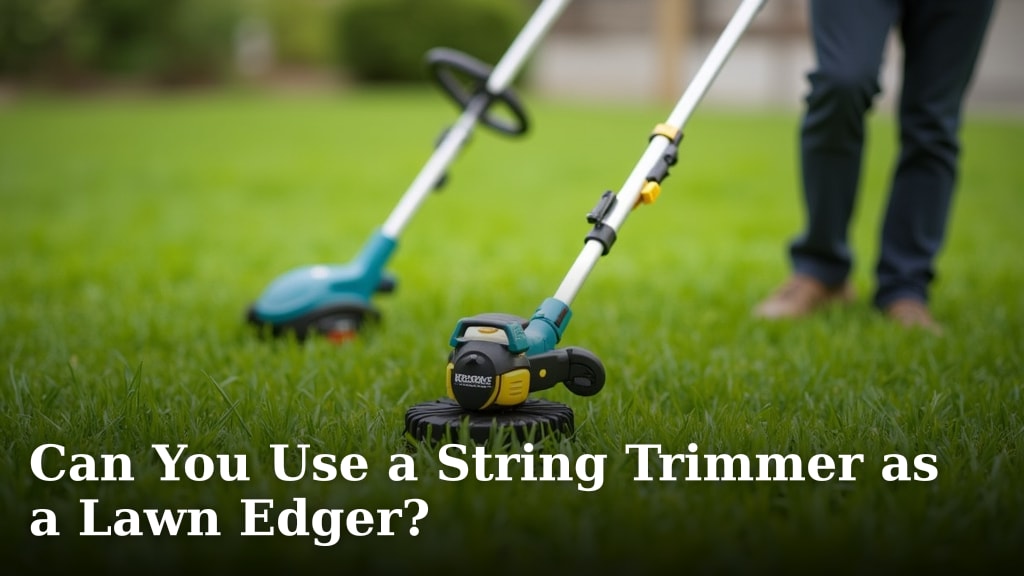
Read Can You Use a String Trimmer as a Lawn Edger? if you already own a trimmer and want to understand when that approach makes sense.
For a direct comparison of the two tool types, see edger vs trimmer. The right choice depends on whether you value a defined border or a broader lawn-care role.
Which power source fits your yard?
Power source affects movement, setup and working time. Corded electric tools provide continuous power but require an extension cord, while battery tools move freely but depend on charged batteries.
Corded electric edging
A corded edger suits a yard with an accessible outdoor outlet and a route that does not require crossing too many obstacles. It can be a practical choice when you prefer to work without stopping for battery changes.
The WORX Electric Lawn Edger has a 12 Amp motor, a 7.5 in blade and a built-in 1 ft power cord. It requires an extension cord for operation, so plan the cable route before starting.
Its 3 depth settings cut at 1, 1.25 or 1.5 in. That range lets you choose a shallower maintenance pass or a deeper cut when the border needs more separation.
The adjustable shaft and D-grip handle can help users of different heights find a workable position. The tool weighs 14 lb, so you should still consider how long you plan to push it around the yard.
The 7.5 in blade is suited to edging and trenching rather than broad grass cutting. Its role is clear: follow the border, control the depth and maintain a repeatable line.
Cordless battery edging
A cordless tool suits yards with several disconnected borders or areas that are far from an outlet. Freedom from an extension cord is the main benefit, but you need to keep the batteries charged.
The WORX 20V 12 in 2-in-1 Cordless String Trimmer & Electric Lawn Edger changes from a string trimmer to an inline edger. It weighs 5.5 lb and has a 90-degree tilting head for sloped ground and hard-to-reach areas.
The rubberized wheels help support the tool and guide the edging path. The adjustable spacer guard is intended to help protect plants, landscape features and lawn ornaments during trimming and edging.
Its 12 in cutting diameter is broader than the dedicated WORX edger's 7.5 in blade. The larger diameter helps when trimming grass, while the inline edging setup gives the tool a separate role along the border.
The Command Feed system adds line at the press of a button. The unit includes 2 20V batteries, a 20V charger, a trimmer spool, support wheels and a safety guard.
WORX says its Power Share batteries work with its 20V and 40V tools, outdoor power and lifestyle products. That platform detail matters most if you already use compatible WORX equipment or plan to add more.
Corded 3-in-1 lawn care
A 3-in-1 tool can suit a compact lawn where storage space matters. You can mow, trim and edge with one corded machine, but the edging function is part of a wider design rather than the machine's only purpose.
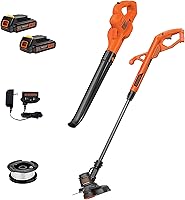
The BLACK+DECKER Electric Lawn Mower, Weed Eater and Edger 3-in-1 Combo has a 6.5 Amp motor, a 12 in cutting width and a corded electric power source. It includes a BESTA512 string trimmer, an MTD100 detachable mower deck, an AF-100 spool, an auxiliary handle and a guard.
The mower deck detaches so you can use the machine as a string trimmer. Rotating the trimmer head changes it into a wheeled edger.
Its adjustable cutting height is 1.6 in, and the machine reaches speeds up to 8,000 RPM. The automatic feed spool helps provide line without bumping or manual adjustments.
The cord retention system helps reduce accidental disconnects while you work. Because the tool is designed for compact spaces, measure your lawn and storage area before choosing it for a larger property.
How much edging does your yard need?
Your workload should determine whether you prioritize cutting depth, light handling or multi-purpose use. A small lawn that needs weekly touch-ups has different needs from a long driveway with overgrown edges.
For a short sidewalk and one garden bed, a light cordless trimmer-edger may be easier to move and store. The WORX 20V model weighs 5.5 lb and can switch between trimming and edging.
For long straight borders, a dedicated blade tool can reduce the need to improvise. The WORX Electric Lawn Edger has a cutting line indicator and adjustable depth settings for repeated passes.
For a small property where mowing is also part of the task, the BLACK+DECKER 3-in-1 reduces the number of separate lawn tools. Its 12 in cutting width and 9.9 lb weight fit the compact-lawn use case described for this type of machine.
Do not choose only by cutting width. A wider trimming diameter can cover more grass during trimming, while a narrower blade can give you more focused control at a border.
What setup should you complete before edging?
Prepare the border before starting so the tool can follow a clear path. Remove loose objects, identify plants and mark the line you want to maintain.
Walk the entire edge and look for stones, sticks, toys, irrigation parts and decorative objects. Move anything that could interfere with the blade, line or wheels.
Check where the grass meets the border. If soil has washed away or the edge has collapsed, decide whether you need a light cleanup or a deeper reshaping job.
For a corded tool, place the extension cord away from the cutting path and keep it behind you as you move. Do not allow the cord to cross the blade's route.
For a cordless tool, confirm that the batteries are charged before you start. If the yard has several sections, plan a route that avoids unnecessary walking between the charger and the work area.
Set the shaft, handle or head position before edging. The goal is to keep the tool balanced without twisting your wrists or leaning toward the border.
How should you edge a lawn?
Start with a shallow, slow pass and let the tool follow the border. Good edging comes from steady movement and a clear guide, not from forcing the machine into the soil.
Place the wheel or blade guide where you want the border to run. Keep the tool upright and move at a controlled pace so the cut does not wander.
Use the shallowest depth that creates the line you need. If the edge still looks joined to the lawn, make a second pass or increase the setting rather than pushing down hard.
Keep plants and decorations outside the tool's path. A guard can help, but it does not replace visual control, especially near delicate flowers or uneven soil.
At corners, slow down and make a smooth change in direction. Sharp turns can widen the cut or move the tool away from the intended line.
When using a trimmer-edger, keep the head in the correct edging position. Support wheels can help keep the path straight, while the spacer guard can help maintain distance from plants.
After the pass, remove loose grass and soil from the border. A clean edge makes it easier to see any place that needs a small correction.
What care does a lawn edger need?
Basic care starts with disconnecting the power before clearing debris or working near the cutting parts. Unplug corded tools and remove or isolate batteries according to the tool's instructions before maintenance.
Clear grass and soil from the blade area, guard, wheels and housing after use. Packed debris can make the next job harder and can hide wear around the cutting parts.
Inspect the blade or line before the next session. A worn blade may produce a less defined edge, while a low line supply can reduce trimming coverage.
The WORX Electric Lawn Edger has a heavy-duty steel blade with serrated edges and a wear indicator. Unplug it before clearing clogs or replacing the blade.
For the WORX cordless trimmer-edger, keep the spool and line area clear. Its Command Feed system adds line through a push button, so check that the feed area is free of packed grass.
For the BLACK+DECKER 3-in-1, check the mower deck, spool, guard and auxiliary handle before switching between functions. Keep the cord retention area clear so the cord stays connected during use.
Store each tool in a dry place with the cord, batteries and accessories arranged so they are ready for the next job. Do not leave a battery in a tool if the manufacturer's instructions say to remove it for storage.
Which lawn edger should you choose?
Choose the WORX Electric Lawn Edger if your priority is a defined blade line, adjustable depth and trenching along established borders. Its corded design suits yards where an extension cord can reach the work area.
Choose the WORX 20V 12 in 2-in-1 Cordless String Trimmer if you want one lighter tool for trimming and edging. Its 5.5 lb weight, support wheels, tilting head and included batteries suit buyers who value movement between lawn sections.
Choose the BLACK+DECKER Electric Lawn Mower if you have a compact lawn and want mowing, trimming and edging from one corded machine. Its 3-in-1 design saves separate-tool storage, but it is less focused than a dedicated lawn edger.
The best lawn edger tool is the one that matches the border you maintain most often. Pick the dedicated WORX blade edger for straight or deeper cuts, the cordless WORX for flexible trimming and edging, or the BLACK+DECKER for compact 3-in-1 lawn care.
Frequently asked questions
What is the best lawn edger tool for straight borders?
A dedicated lawn edger is usually the best choice for straight borders because its blade and guide keep the cut aligned with the edge. The WORX Electric Lawn Edger has a 7.5 in blade, a cutting line indicator and 3 cutting depths of 1, 1.25 and 1.5 in.
Should I choose a corded or cordless lawn edger?
Choose a corded lawn edger when you have an outdoor outlet and want continuous operation. Choose a cordless model when you need to move around trees, beds and separate lawn areas without an extension cord.
Battery runtime and charging access matter more for larger yards.
Can a string trimmer edge a lawn?
A string trimmer can edge a lawn when it converts to an edging position or when you use a careful vertical technique. A model with support wheels, a spacer guard and a dedicated edging mode can make the line easier to control than a standard trimmer.
Is a 3-in-1 mower, trimmer and edger useful?
A 3-in-1 tool can suit a compact lawn where one corded machine needs to mow, trim and edge. The BLACK+DECKER BESTA512CM combines a 12 in mower, string trimmer and wheeled edger, but it is less specialized than a dedicated edger.
How deep should a lawn edger cut?
Start with a shallow cut that separates grass from the border without exposing too much soil. Increase depth only when the edge needs more definition or you are creating a trench.
The right depth depends on the border material, grass growth and how often you maintain the edge.