
How to Drain Gas from a Lawn Mower?
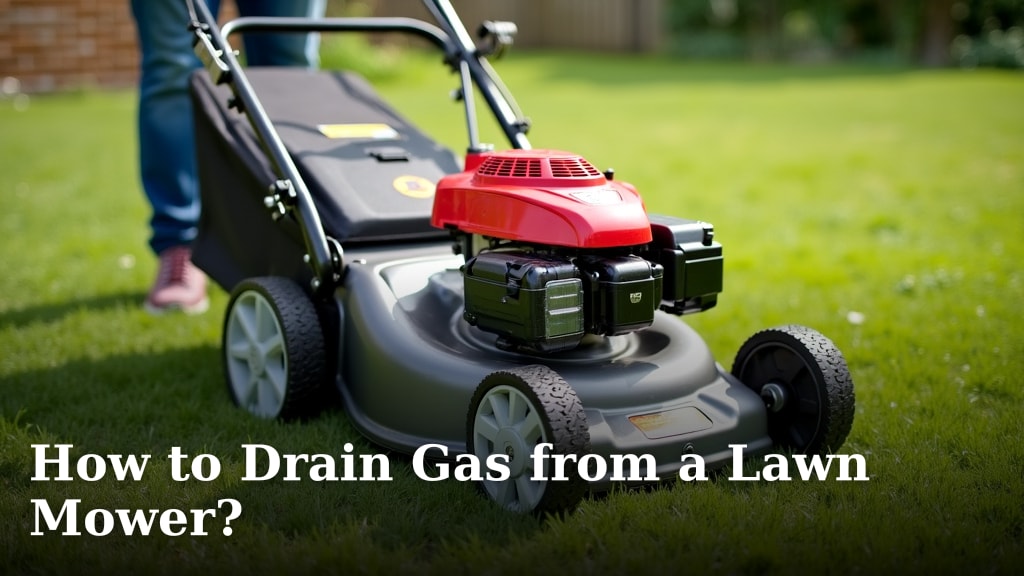
The easiest way to drain gas from a lawn mower is by using a siphon pump or disconnecting the fuel line directly into a gas-safe container. This helps prevent damage and ensures your mower is ready for storage or maintenance. You’ll want to remove all old fuel before it causes problems.
Draining old fuel is super important for mower longevity, especially before winter storage. Old gas can gum up your carburetor and fuel lines, leading to expensive repairs. We found that fresh fuel makes a big difference in how well your mower starts and runs next season.
- Safety First: Always work in a well-ventilated area away from sparks.
- Gather Tools: You’ll need a siphon, fuel container, and possibly wrenches.
- Siphon Method: Easiest for most people; just pump the fuel out.
- Fuel Line Disconnect: More direct but can be a bit messier.
- Proper Disposal: Never pour old gas down the drain; recycle it.
Ready to get that old fuel out? Let’s walk through exactly how to drain gas from your lawn mower safely and effectively, step by step.
Prepping Your Mower for Fuel Removal
Before you even think about touching that gas tank, it’s critical to prepare your workspace and your mower. This isn’t just about convenience; it’s about your safety and preventing a big mess. Taking a few minutes now can save you a lot of headache later.
First things first, make sure your mower is completely cool. If you just finished mowing the lawn, give it at least an hour to settle down. Working on a hot engine with flammable liquids is a recipe for disaster, and we definitely want to avoid that.
Next, find a good spot. You need a well-ventilated area, preferably outdoors, and away from any ignition sources. Think about a gas grill, pilot lights, or anything that could spark. Your garage might work if you open the door wide, but outdoors is always best.
Safety Gear You’ll Need
Protecting yourself is non-negotiable when working with fuel. Gasoline fumes are strong, and contact with skin or eyes can be irritating. A few simple items will keep you safe.
- Safety Glasses: Fuel splashes happen. Protect your eyes from irritation or injury.
- Gloves: Nitrile or chemical-resistant gloves are ideal. They prevent skin contact and keep your hands clean.
- Old Clothes: Seriously, wear something you don’t mind getting dirty or smelling like gas. It happens!
- Fire Extinguisher: Have a small fire extinguisher handy, just in case. It’s better to have it and not need it.
It might seem like a lot, but these items provide peace of mind. You’ll feel much more confident tackling the job when you’re properly protected.
Essential Tools for Draining Gas
Having the right tools makes the job much smoother. You probably have most of these lying around your garage already. Let’s make a quick checklist.
- Gas-Safe Container: This is a must-have. It needs to be clearly labeled for fuel and have a secure cap. Don’t use an old milk jug!
- Siphon Pump: The easiest and cleanest method for most mowers. You can find these at auto parts stores or online.
- Wrench Set: If you plan to disconnect the fuel line, you’ll need the right size wrench for the clamp.
- Pliers: Helpful for gripping stubborn fuel line clamps.
- Funnel: Essential for preventing spills when transferring fuel.
- Rags or Shop Towels: For cleanup, because a little spill is almost inevitable.
Gathering everything beforehand means you won’t be scrambling mid-task. Trust us, it makes a big difference.
Two Main Methods to Empty the Fuel Tank
When it comes to getting that old gas out, you essentially have two reliable options. Each has its pros and cons, and the best choice for you might depend on your mower type or your comfort level. We’ll break down both so you can pick the best fit.
Method 1: Using a Siphon Pump (Easiest for Most)
This is generally the cleanest and safest method. A siphon pump uses suction to draw the fuel out of the tank. It’s a great option if your fuel tank has an accessible opening and you want to minimize direct contact with the fuel. Many people prefer this because it’s less messy.
Step-by-Step Siphon Process
Here’s how you can use a siphon pump to drain your mower’s gas tank:
- Position Your Mower: Place your mower on a level surface. You might want to slightly tilt it towards the side where you can best access the fuel tank opening.
- Prepare the Container: Set your gas-safe container on the ground, lower than the mower’s fuel tank. Gravity will help the siphon work more effectively.
- Insert Siphon Tube: Push one end of the siphon pump’s tube into the mower’s fuel tank until it reaches the bottom.
- Place Other End: Put the other end of the tube (the discharge end) into your gas-safe container. Make sure it’s secure and won’t pop out.
- Start Pumping: Operate the siphon pump according to its instructions. Most involve a squeezing bulb or a hand pump. You’ll start to see fuel flowing.
- Monitor and Finish: Keep an eye on the fuel level in your container and the mower’s tank. Once the fuel stops flowing or you can’t get any more out, remove the siphon.
This method usually leaves a small amount of fuel at the very bottom, but it’s usually negligible. The key is to get most of the old fuel out.
Method 2: Disconnecting the Fuel Line (More Direct)
This method is a bit more involved and can be messier, but it ensures you get virtually every drop of fuel out of the tank. It’s often necessary for mowers where the fuel tank opening isn’t easily accessible for a siphon tube.
How to Disconnect the Fuel Line Safely
Follow these steps carefully to drain fuel by disconnecting the fuel line:
- Locate the Fuel Line: The fuel line is a rubber or plastic hose that runs from the bottom of your gas tank to the carburetor. It’s usually pretty easy to spot.
- Place Container Below: Position your gas-safe container directly underneath where you plan to disconnect the fuel line. This is crucial for catching the fuel.
- Clamp the Line (Optional but Recommended): Some people use a fuel line clamp (looks like pliers with flat jaws) to pinch the fuel line just above the connection. This can help control the flow when you disconnect it.
- Disconnect the Line: Use pliers or a wrench to loosen the clamp holding the fuel line to the tank or carburetor. Carefully pull the fuel line off. Fuel will immediately start flowing out.
- Drain Completely: Let all the fuel drain into your container. You might need to gently shake the mower a bit to get the last drops out.
- Reattach the Fuel Line: Once empty, reattach the fuel line securely. Make sure the clamp is tightened properly to prevent leaks.
We found that this method gives you the most complete drain. Just be prepared for a bit of a spill, even with the best precautions.
Addressing Remaining Fuel and Proper Disposal
After you’ve drained the bulk of the fuel, you might wonder what to do next. There are always a few drops left, and then there’s the important question of what to do with the old gasoline itself. Don’t just leave it sitting around!
Dealing with Residual Fuel in the Tank
Even after a thorough draining, a small amount of fuel will likely remain. For short-term storage (a few weeks), this isn’t a huge concern. For longer storage (like over winter), you have a couple of options.
- Run it Dry: Once the tank is mostly empty, you can try starting the mower and letting it run until it sputters and dies. This will burn off the remaining fuel in the carburetor and fuel lines. We often do this for winter storage.
- Fuel Stabilizer: If you can’t run it dry or prefer not to, add a small amount of fuel stabilizer to the tank and run the engine for a few minutes. This treats the remaining fuel and prevents it from going bad. Many manufacturers recommend this (Briggs & Stratton, for example, suggests this for long-term storage).
The goal is to prevent any old, stale fuel from sitting in delicate engine parts and causing problems later.
Disposing of Old Gasoline Safely
This is a critical step you absolutely cannot skip. Gasoline is a hazardous material and needs to be disposed of properly. You cannot pour it down the drain, onto the ground, or into regular trash.
Here’s what you need to do:
- Find a Recycling Center: Most municipal hazardous waste facilities or recycling centers accept old gasoline. Check your local city or county website for specific instructions and locations.
- Auto Parts Stores: Some auto parts stores offer recycling programs for used oil and sometimes gasoline. Call ahead to confirm.
- Keep it Separate: Never mix old gasoline with used oil or other fluids. Keep it in its clearly labeled, gas-safe container until disposal.
Proper disposal protects the environment and prevents potential hazards. It’s a small effort with a big impact.
Why Draining Your Mower’s Gas is So Important
You might be thinking, “Is all this effort really necessary?” And the answer is a resounding yes! Draining your mower’s gas isn’t just a recommendation; it’s a practice that saves you money and extends your mower’s life. We’ve seen countless mowers come into shops with fuel-related issues that could have been easily avoided.
Protecting Your Engine from Stale Fuel
Gasoline doesn’t last forever. Over time, it breaks down, especially the ethanol in many modern fuels. This breakdown creates a sticky, gummy residue that can clog fuel lines, carburetors, and fuel filters. It’s like trying to drink syrup through a tiny straw!
Stale fuel can also attract moisture, leading to rust in your fuel tank and other components (Environmental Protection Agency). This kind of damage can be expensive to repair. By draining the old fuel, you’re essentially giving your mower a clean slate for its next use.
Ensuring Easy Starts Next Season
Have you ever tried to start a mower after winter only to have it sputter and refuse to turn over? Chances are, old fuel is the culprit. Fresh fuel ignites cleanly and consistently. Old, varnished fuel can lead to hard starting, rough idling, or even no start at all. If you’re dealing with a stubborn engine, our guide on how to start a lawn mower that won’t start offers more troubleshooting tips.
Imagine the frustration of a sunny spring day, ready to tackle your lawn, and your mower just won’t cooperate. Draining the gas now means you’ll avoid that headache and enjoy a smooth start when you need it most.
| Benefit of Draining Gas | Why It Matters to You |
|---|---|
| Prevents Carburetor Clogs | Saves you from costly repairs and frustrating breakdowns. |
| Avoids Fuel System Corrosion | Extends the lifespan of your fuel tank and lines. |
| Ensures Easy Starting | No more wrestling with a stubborn mower in the spring. |
| Improves Engine Performance | Your mower will run smoother and more efficiently. |
| Reduces Fire Hazard | Old, leaky fuel lines pose a greater fire risk. |
| Better for Long-Term Storage | Essential for winterizing your equipment properly. |
Checklist for Draining Mower Gas
Here’s a quick recap to make sure you’ve covered all your bases when you drain your lawn mower’s gas:
- Mower is cool and off.
- Workspace is well-ventilated and ignition-free.
- Safety gear is on (glasses, gloves).
- Gas-safe container is ready.
- Siphon or wrench is at hand.
- Funnel and rags are prepared.
- Old fuel will be properly disposed of.
Following this checklist ensures a safe and effective fuel draining process. You’re setting yourself and your mower up for success!
Conclusion
Draining the gas from your lawn mower might seem like a chore, but it’s a simple step that pays off big time. By removing old fuel, you protect your engine from costly damage and ensure smooth starts every time you need to mow. We’ve seen firsthand how fresh fuel can transform a stubborn mower into a reliable workhorse. Take the extra time to do it right, follow those safety precautions, and properly dispose of that old fuel. Your mower—and your wallet—will thank you next season!
Frequently Asked Questions
Can I just leave old gas in my mower if I add fuel stabilizer?
While fuel stabilizer helps, it’s not a perfect solution for very long periods. We’ve found it best to drain most of the old gas, especially for winter storage. Then, you can add stabilizer to the small amount remaining and run the engine briefly to treat the entire fuel system.
How often should I drain the gas from my lawn mower?
You should drain the gas any time you plan to store your mower for more than 30 days, or at the end of the mowing season before winter storage. For mowers used infrequently, draining after each major use period can also be beneficial.
What kind of siphon pump works best for lawn mowers?
A simple hand-operated siphon pump with a squeeze bulb is usually sufficient and very effective for lawn mowers. Look for one with a small diameter hose that can easily fit into your mower’s fuel tank opening.
What if my mower’s fuel tank doesn’t have a drain plug?
Most smaller lawn mowers don’t have a dedicated drain plug. In these cases, your best options are using a siphon pump or carefully disconnecting the fuel line at the carburetor or fuel filter to drain the tank.
Is it okay to put the old, drained gas into my car?
We advise against putting old, stale gas from your mower into your car. Modern car engines are very sensitive to fuel quality. Old gas can cause performance issues or damage your car’s fuel system. It’s always best to dispose of old gas properly at a hazardous waste facility.
