How to Fix a Reel Mower That Won’t Start?
On this page (8 sections)
If your reel mower won’t start, the fix is often simpler than you think. Usually, it comes down to a few common issues like a dull blade, a clogged mower deck, or a problem with the engine’s fuel or spark. We’ll help you get that grass-cutting machine roaring back to life.
A reel mower that refuses to budge can be frustrating, especially when your lawn is begging for a trim. We’ve found that most starting problems stem from basic maintenance oversights rather than major mechanical failures. Addressing these common culprits can save you a lot of headaches and possibly a repair bill.
- Check for blade obstruction or dullness.
- Ensure the engine has fresh fuel and a clean air filter.
- Verify the spark plug is clean and properly gapped.
- Make sure the mower’s drive mechanism isn’t jammed.
- Confirm you’re following the correct starting procedure.
Let’s walk through exactly how to troubleshoot and fix your stubborn reel mower, step by step, so you can get back to enjoying a perfectly manicured lawn.
Troubleshooting Your Reel Mower When It Won’t Start
It’s a sunny Saturday morning, and your lawn is looking a little shaggy. You grab your trusty reel mower, give it a pull, and… nothing. This can be incredibly frustrating, but don’t worry! Most reel mower starting issues are quite common and fixable with a little patience. We’re here to guide you through the most likely culprits.
Many of these problems boil down to basic maintenance. You’ll often find that a simple adjustment or cleaning can get your mower roaring back to life. Let’s break down the most frequent reasons your reel mower might be playing hard to get and how you can solve them.
Checking the Basics: Fuel, Spark, and Air
Before we dive into anything too mechanical, let’s cover the absolute essentials for any engine to run: fuel, spark, and air. If any of these are missing or compromised, your mower simply won’t turn over.
Is There Enough Fresh Fuel?
This might sound obvious, but it’s amazing how often a mower won’t start because it’s simply out of gas. Always check your fuel level first. But it’s not just about the quantity; the quality of the fuel matters a lot too.
Gasoline can go stale. Over time, especially if it’s been sitting for months, the fuel can degrade. This stale fuel can clog up your engine’s fuel system. If your mower was stored with old gas, you’ll likely need to drain it and refill with fresh gasoline. Many experts recommend using a fuel stabilizer if you plan to store your mower for an extended period (Small Engine Repair Blog). If your mower sat through the winter, our guide on using a fuel stabilizer can help prevent issues.
Draining the old fuel usually involves tilting the mower to empty the tank into an approved container. Then, refill with clean, fresh gasoline. Make sure you’re using the correct octane rating specified in your mower’s manual.
Is the Spark Plug Doing Its Job?
The spark plug is like the match that ignites the fuel in your engine. If it’s dirty, fouled, or worn out, it won’t produce a strong enough spark. You’ll need to check and potentially clean or replace it.
First, locate the spark plug. It’s usually a small ceramic-topped component with a wire attached. Disconnect the wire, then use a spark plug wrench to carefully remove the plug. Inspect it for any signs of damage, oil, or heavy carbon buildup.
If it looks dirty, you can try cleaning it with a wire brush. You’ll also want to check the gap on the spark plug. The gap is the tiny space between the electrodes, and it needs to be set precisely for the spark to jump effectively. Your mower’s manual will tell you the correct gap size. You can use a feeler gauge to measure and adjust it.
If the plug looks damaged or heavily worn, it’s best to replace it with a new one. They are inexpensive and easy to install. Many lawn care guides suggest replacing spark plugs annually as part of routine maintenance (Lawn Care Monthly).
Is the Air Filter Clean and Clear?
Your mower’s engine needs air to breathe, just like you do. A clogged air filter restricts airflow, making it difficult for the engine to get the oxygen it needs to combust fuel. This can lead to starting problems or a mower that runs poorly.
Find the air filter housing; it’s usually a plastic box attached to the side of the engine. Open it up (often with clips or screws) and remove the filter. If it’s a paper filter and it looks dirty or dusty, you’ll likely need to replace it. If it’s a foam filter, you can often clean it with mild soap and water, let it dry completely, and then lightly re-oil it with a specific foam filter oil.
A clean air filter ensures your engine gets the right mix of air and fuel. This is a simple check that can make a big difference in starting performance.
Mechanical Obstructions: Blades and Decks
Sometimes, the problem isn’t with the engine’s ability to start, but with something physically preventing the mower from turning over or operating correctly. Reel mowers have spinning blades, and these can be the source of starting troubles.
Is Something Jamming the Blades?
Reel mower blades spin against a stationary bedknife. If grass clippings, debris, or even thick weeds get jammed between the blades and the bedknife, they can create enough resistance to stop the engine from turning over. This is especially true for manual reel mowers, but can also affect powered ones.
Always disconnect the spark plug wire before you start inspecting the blades and deck. This is a vital safety step to prevent accidental starts. Carefully examine the cutting reel and the bedknife. Look for any tangled grass, twigs, or other foreign objects.
Use a brush or a stick to carefully remove any obstructions. If the grass is particularly thick and wet, you might need to use a scraper or even a hose to clear it out. You want the reel to spin freely without excessive resistance.
Are Your Blades Too Dull?
While dull blades are more likely to cause poor cutting performance rather than a complete no-start situation, in very stubborn cases, extreme dullness combined with dense grass could potentially make it harder for the engine to engage and turn the reel.
If your mower has been cutting poorly or you haven’t sharpened the blades in a long time, this is a good time to consider it. Sharpening reel mower blades is a bit different from sharpening rotary mower blades. It often involves a process called “backlapping,” where a grinding compound is applied to the blades while they spin, or a full sharpening and adjustment on a grinder.
A properly sharpened blade cuts grass cleanly, reducing the strain on the engine and the mower’s components. Many lawn care professionals recommend sharpening reel mower blades at least once a year (Lawn & Garden Magazine).
Drive System and Engagement Issues
Your reel mower has a system that transfers power from the engine to the cutting reel. If this system isn’t engaging correctly or is jammed, it can prevent starting or proper operation.
Is the Drive Mechanism Engaged Properly?
Most powered reel mowers have a lever or control that engages the cutting reel. Ensure this lever is in the correct position. Sometimes, it might be a safety feature that prevents the engine from starting if the reel is engaged.
Consult your owner’s manual to understand how your specific mower’s drive system engages. Make sure you’re following the correct sequence when starting. For example, some mowers require the drive to be disengaged before starting the engine.
Checking for Drive Belt or Gear Problems
If you have a powered reel mower, there might be a drive belt or a gear system connecting the engine to the cutting reel. If this belt is broken, loose, or a gear is damaged, the reel won’t spin even if the engine is running.
With the spark plug wire disconnected, visually inspect the drive belt. Is it intact? Is it frayed or excessively worn? Is it properly tensioned? A belt that’s too loose won’t effectively transfer power.
If your mower uses gears, a thorough inspection is harder without some disassembly. However, listen for any unusual grinding noises when you attempt to start or engage the reel. Any signs of damage or excessive wear to the belt or gears would require repair or replacement, which might be best handled by a service center if you’re not comfortable with more involved repairs.
Fuel System Deep Dive: Carburetor and Gas Lines
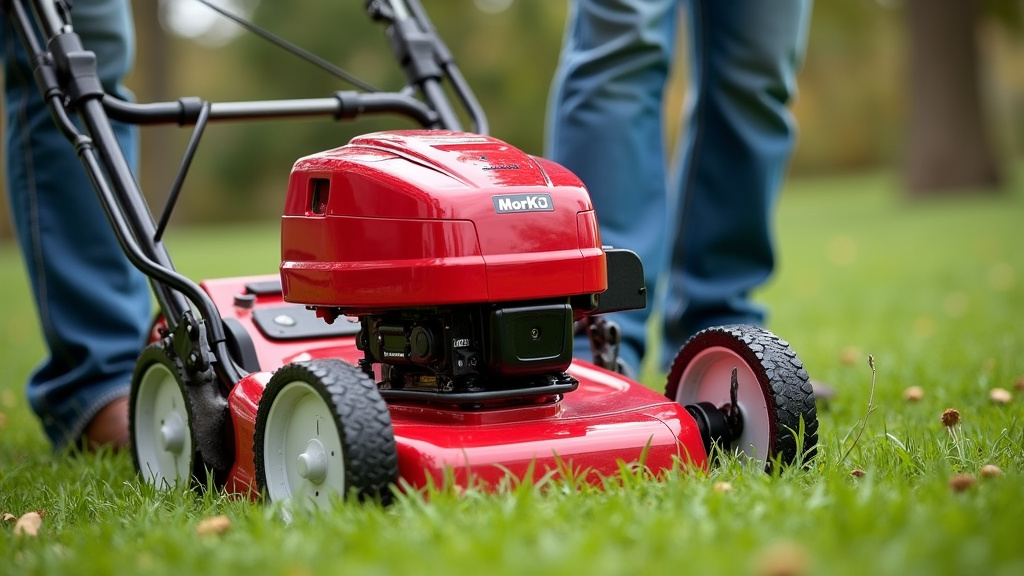
If you’ve checked the spark and air, and the mechanical parts seem okay, the issue might be deeper within the fuel system. The carburetor is a key component here.
Is the Carburetor Clogged?
The carburetor mixes fuel and air in the correct ratio for combustion. Over time, especially if old fuel has been left in the tank, small deposits can form and clog the tiny passages inside the carburetor. This is a very common reason for engines not starting or running rough.
Cleaning a carburetor can be straightforward or complex, depending on its design. Often, you can try a carburetor cleaner spray. You might need to remove the air filter to access it. Spray the cleaner into the carburetor’s throat (where the air enters) while trying to start the engine. Sometimes, this is enough to clear a minor clog.
For more serious clogs, you might need to remove the carburetor and clean it more thoroughly. This usually involves dismantling it, soaking the parts in a cleaning solution, and then reassembling it. If you’re not comfortable with this, it’s a good time to seek professional help.
Checking the Fuel Lines
While less common, fuel lines can become kinked, cracked, or clogged. Ensure the fuel line running from the tank to the carburetor is unobstructed and not damaged. Sometimes, a simple replacement of a fuel line can solve persistent starting issues.
Quick Checklist for Reel Mower Starting Problems
Here’s a quick recap of the most common fixes to try:
- Check Fuel Level: Ensure there’s enough fresh gasoline in the tank.
- Inspect Spark Plug: Clean or replace it if it’s dirty or worn.
- Clean Air Filter: Make sure it’s clear for proper airflow.
- Remove Blade Obstructions: Clear any grass or debris jamming the reel.
- Verify Engagement: Ensure the drive mechanism is correctly set for starting.
- Fresh Fuel: If the mower sat all winter, drain old gas and refill.
Conclusion
Getting your reel mower started again often boils down to a few key areas we’ve covered. You’ve learned how to check the basics like fuel, spark, and air, and also how to tackle mechanical issues like blade obstructions and drive system problems. By systematically working through these common culprits, you’re likely to find the fix you need.
Don’t let a stubborn mower keep your lawn from looking its best. Take these steps one by one, and you’ll be back to enjoying a perfectly cut yard in no time. If you’re still stuck after trying these solutions, it might be time to consult your owner’s manual or seek professional help.
Frequently Asked Questions
How often should I sharpen my reel mower blades?
For best results and to prevent engine strain, most experts recommend sharpening your reel mower blades at least once a year. If you notice your grass is being torn rather than cleanly cut, it’s definitely time for sharpening.
Can old gasoline really prevent my mower from starting?
Yes, absolutely. Stale gasoline can degrade and clog your mower’s fuel system. If your mower sat through the winter with old gas, draining it and refilling with fresh fuel is a critical first step.
What’s the safest way to check for obstructions around the blades?
Always disconnect the spark plug wire before inspecting the blades. This safety measure prevents accidental engine starts while you’re working near the cutting mechanism. Use a brush or stick to clear debris.
My reel mower engine starts, but the blades won’t spin. What could be wrong?
This usually points to an issue with the drive system. Check if the engagement lever is properly set or if there’s a problem with the drive belt, such as it being loose, broken, or frayed. The drive mechanism may need adjustment or repair.
How do I know if my spark plug needs cleaning or replacing?
Inspect the spark plug for heavy carbon buildup, oil, or signs of wear. If it looks dirty, try cleaning it with a wire brush and checking the gap. If it appears damaged or significantly worn, replacing it with a new one is usually the best course of action.