How to Fix a Lawn Mower That Won’t Start After Winter?
On this page (3 sections)
The easiest way to fix a lawn mower that won’t start after winter is to check the fuel and spark plug first. Often, old fuel causes problems. A dirty or bad spark plug also prevents starting. These are the most common issues you’ll face.
You’ve probably pulled that starter cord many times with no luck, right? If it still refuses to start after those checks, see these mower reset instructions. Many people face this spring headache. Your mower sat all winter, and now it’s being stubborn. We found that a few simple checks can get you back to mowing. Don’t worry, it’s usually fixable without a mechanic.
- Old fuel often causes starting issues.
- The spark plug might be dirty or bad.
- Check the air filter for clogs.
- A dead battery can stop electric start models.
- The carburetor might need cleaning.
Let’s walk through exactly how to diagnose and fix these common problems, step by step. You’ll be back to a healthy lawn in no time.
Getting Your Lawn Mower Started After Winter
You’re ready to tackle that overgrown lawn, but your mower has other plans. Don’t worry! We found that a few common culprits are usually to blame when your lawn mower won’t start after sitting all winter. Let’s walk through the steps to get it purring again. If the engine will not turn over, see how to unseize a lawn mower.
Fuel System Checks: The Number One Culprit
The first place to look is almost always the fuel system. Did you leave fuel in your mower over the winter? Many homeowners do, and that’s often the root of the problem. Old fuel degrades quickly and can cause all sorts of starting issues.
Draining Old Fuel and Refilling
Gasoline doesn’t have an infinite shelf life, especially when it sits in a small engine. It can separate, get gummy, and even attract moisture. This process starts after about 30 days (Briggs & Stratton advises this).
You’ll want to drain any old fuel from the tank. You can usually do this by disconnecting the fuel line from the carburetor and letting it drain into an approved container. Be careful and have some rags handy.
Next, it’s time for fresh fuel. Always use fresh, clean gasoline. Many experts recommend using a fuel stabilizer if you plan to store your mower for more than a month or two. This helps prevent fuel degradation.
Pour the new fuel into the tank. For the filling steps, see our guide to filling a lawn mower. Before you try to start it, pump the primer bulb a few times if your mower has one. This helps get that fresh fuel into the carburetor.
Inspecting the Fuel Filter
While you’re checking the fuel, take a moment to find the fuel filter. It’s typically a small, inline filter located in the fuel line between the tank and the carburetor. If it looks clogged or dirty, you’ll want to replace it.
A restricted fuel filter means that even fresh gas won’t reach the engine properly. This is a cheap and easy part to replace, and it can make a big difference. We found that a clean fuel filter ensures a steady flow.
Spark Plug Examination: Is it Firing?
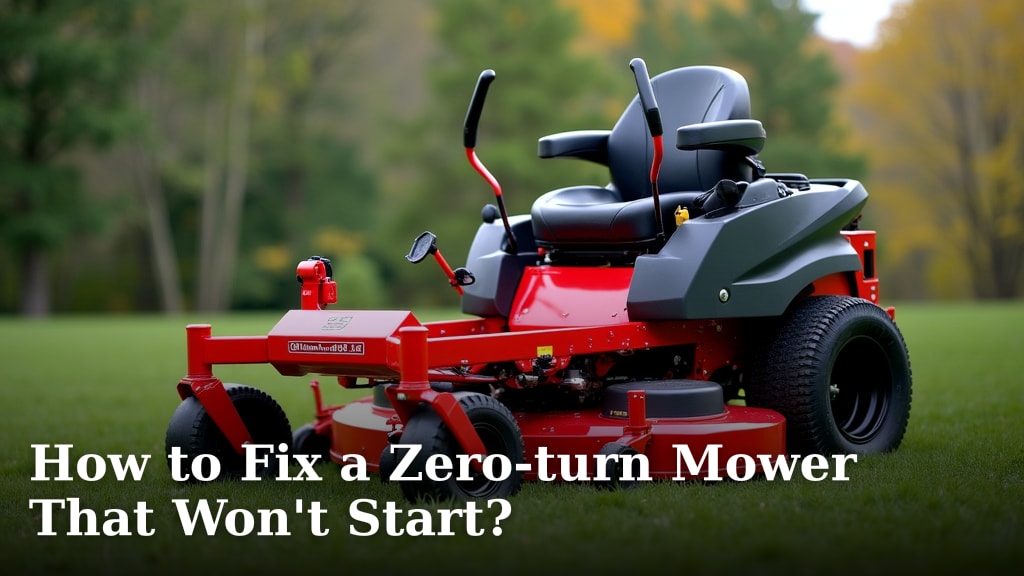
After checking the fuel, your next stop should be the spark plug. This tiny component is responsible for creating the spark that ignites the fuel-air mixture. If it’s dirty, damaged, or wet, your mower won’t start. For model-specific steps, see our guide to starting a zero-turn mower.
Removing and Inspecting the Spark Plug
First, locate the spark plug. It’s usually a single wire leading to a rubber boot on the top or side of the engine. Gently pull off the boot. Then, use a spark plug wrench to carefully unscrew the plug.
Once removed, take a good look at the electrode end. Is it covered in black soot? Is it oily? Is there visible damage? A healthy spark plug typically has a light brown or grayish color (Consumer Reports). If it’s black and fouled, it’s a problem.
You might try cleaning a slightly dirty plug with a wire brush, but often, it’s better to just replace it. They aren’t expensive, and a new one provides a much stronger spark.
Testing for Spark
To confirm if your spark plug is actually firing, you can perform a quick test. Reconnect the spark plug boot, then hold the threaded part of the spark plug against a clean, unpainted metal surface on the engine block.
Have a helper pull the starter cord (or turn the key for electric start). You should see a blue spark jump across the gap. If you don’t see a spark, or if it’s weak and yellow, your spark plug might be bad, or you could have an ignition system issue. Always use insulated gloves for safety during this test.
Air Filter Inspection: Breathe Easy, Mower!
Just like you need clean air to breathe, your engine needs clean air for combustion. A clogged air filter can choke the engine, making it impossible to start or run properly. This is especially true after a dusty season of mowing.
Checking and Cleaning or Replacing the Air Filter
The air filter is typically housed in a plastic or metal casing near the carburetor. You’ll usually unclip or unscrew the cover to access it. What do you see?
If the filter is caked with dirt, grass, or debris, it’s time for a new one. Some foam filters can be cleaned with soap and water, allowed to dry, and then lightly oiled. Paper filters, however, should always be replaced if they’re dirty. We found that most manufacturers recommend replacing air filters annually or every 25 hours of use, whichever comes first.
A new, clean air filter allows the proper air-to-fuel ratio, helping your engine start and run more efficiently. Don’t overlook this simple, yet vital, component.
Battery Check (For Electric Start Models)
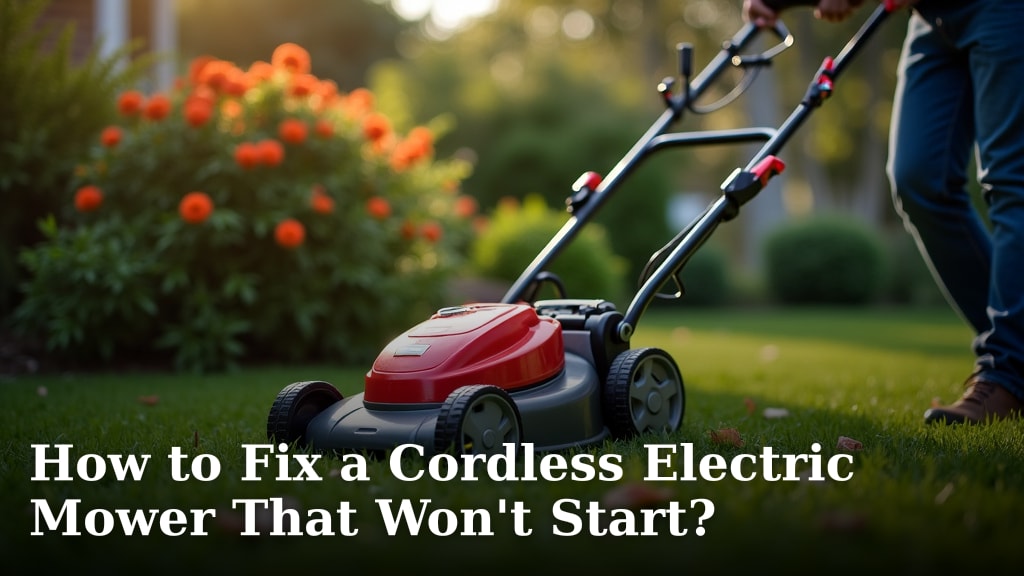
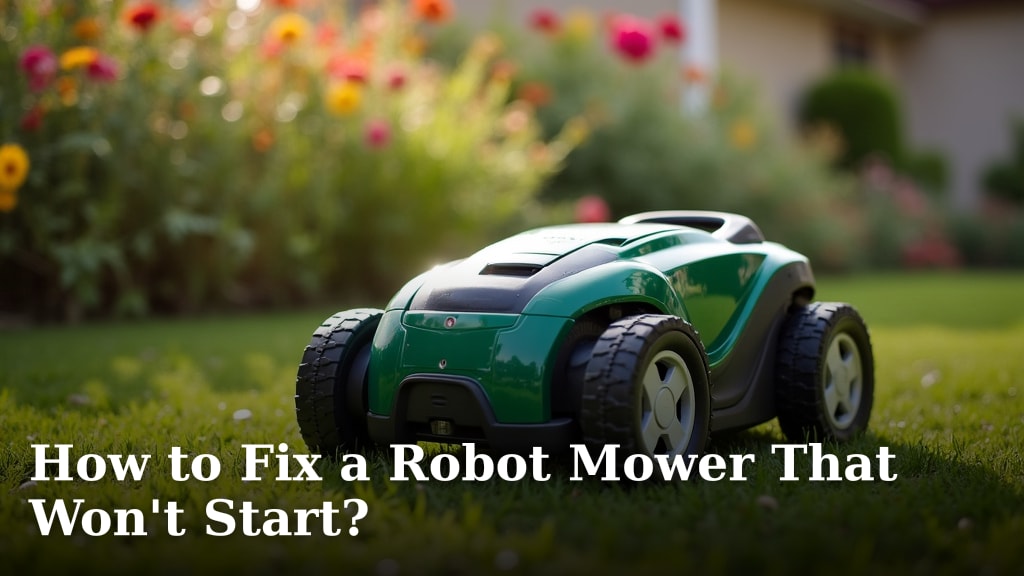
Does your mower have an electric starter? If so, a dead or weak battery could be preventing it from cranking over. For robot mower starting problems, see our troubleshooting guide. This is a common issue after a cold winter storage, as batteries can slowly discharge. For battery powered equipment, see our guide to cordless mower starting checks.
- Check connections: Ensure battery terminals are clean and tight.
- Test battery voltage: Use a multimeter to check the voltage. A fully charged 12V battery should read around 12.6 volts or higher.
- Charge the battery: If the voltage is low, try charging it with a trickle charger.
- Replace if necessary: If the battery won’t hold a charge, it needs to be replaced.
Carburetor Troubleshooting: When Things Get Sticky
If you’ve checked everything else and your mower still won’t start, the problem might lie within the carburetor. If repeated starting attempts have flooded the engine, see our guide to unflooding a lawn mower. The carburetor mixes air and fuel in the correct proportions for combustion. Old, gummed-up fuel is notorious for clogging the tiny passages inside it.
Initial Carburetor Cleaning Attempts
Sometimes, a light cleaning can do the trick. You can try spraying carburetor cleaner directly into the carburetor’s air intake while attempting to start the engine. This can sometimes dissolve minor blockages.
Another approach is to remove the air filter and spray carburetor cleaner into the intake and also into the fuel bowl (if accessible). Let it sit for a few minutes, then try starting the engine. Be careful not to use too much cleaner, as it can foul the spark plug.
Deeper Carburetor Cleaning or Replacement
If simple spraying doesn’t work, you might need to remove and disassemble the carburetor for a more thorough cleaning. This involves taking apart the carburetor, cleaning each small part with carburetor cleaner, and using compressed air to clear passages. Many small engine repair manuals offer detailed instructions for your specific model.
We found that carburetor kits are available that include new gaskets and sometimes jets. If the carburetor is heavily corroded or damaged, replacement might be your best option. While more involved, a clean carburetor is essential for proper engine function.
Quick Checklist for No-Start Mowers
Feeling overwhelmed? Here’s a quick run-through of the most common issues:
| Problem Area | Common Cause After Winter | Quick Fix |
|---|---|---|
| Fuel | Stale, old gasoline; clogged fuel filter | Drain old fuel, add fresh gas & stabilizer, replace fuel filter |
| Spark Plug | Fouled, dirty, or damaged plug | Clean or replace spark plug |
| Air Filter | Clogged with dirt/debris | Clean or replace air filter |
| Battery (Electric Start) | Dead or low charge | Charge or replace battery |
| Carburetor | Gummed up from old fuel | Spray with cleaner, or remove and clean/replace |
| Oil Level | Too low or too high (less common for starting) | Check and adjust oil level to recommended range |
Final Tips and When to Call for Help
You’ve gone through the common steps, but your mower is still refusing to cooperate? Sometimes, more advanced issues might be at play. We found that even experienced DIYers know their limits, and there’s no shame in seeking professional help.
Consider calling a small engine mechanic if you suspect problems with:
- The ignition coil (if no spark, even with a new plug)
- Engine compression (worn rings or valves)
- More complex carburetor issues you’re not comfortable tackling
Most issues you’ll encounter are usually solved with fresh fuel, a new spark plug, or a clean air filter. You’ve got this!

Conclusion
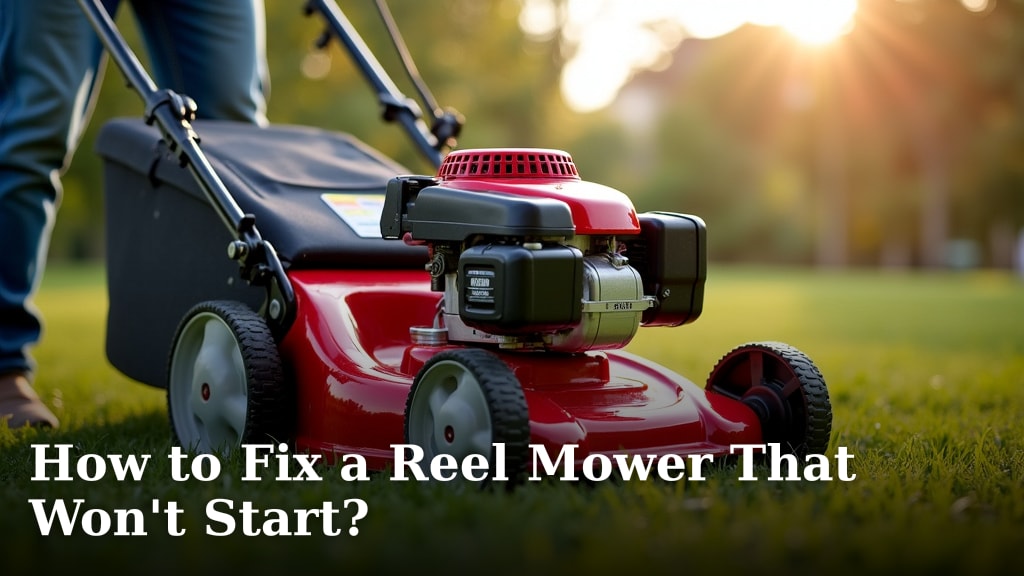
Getting your lawn mower to start after winter can feel like a challenge, but we’ve seen it’s often a straightforward fix. By systematically checking the fuel, spark plug, and air filter, you address the most frequent issues. Remember, preventative maintenance saves headaches. If you use a walk behind model, see our guide to push mower starting problems.
You now have the knowledge to diagnose and fix many common problems yourself. Don’t let a stubborn mower win the battle against your spring chores. Take these steps, and you’ll likely get your machine humming again. For model specific guidance, see our guide to riding mower starting help. If not, you’ll know exactly when it’s time to call a professional.
Frequently Asked Questions
How can I prevent my lawn mower from not starting next spring?
The best prevention is proper winterization. We recommend adding a Our guide to proper winterization explains how to prepare your mower for cold storage.fuel stabilizer to a full tank of gas before storage, then running the engine for a few minutes. Also, change the oil, clean or replace the air filter, and remove the spark plug to add a teaspoon of oil to the cylinder.
What if my mower starts but quickly dies after winter?
If your mower starts then dies, it often points to a fuel delivery issue. This could be a partially clogged fuel filter, a dirty carburetor, or still some old fuel causing problems. Recheck your fuel system steps carefully to ensure a consistent flow of fresh gasoline.
Can a dirty air filter really stop a mower from starting?
Yes, absolutely. A severely clogged air filter restricts the amount of air getting to the engine. Without the correct air-to-fuel ratio, the engine won’t be able to ignite properly and start. Always check your air filter as a key diagnostic step.
Is it okay to use car gasoline in my lawn mower?
Generally, yes, but use fresh, regular unleaded gasoline (87 octane). Avoid using premium or ethanol-heavy fuels if your mower manual advises against it, as ethanol can degrade plastic and rubber components over time. Many recommend using ethanol-free gas for small engines if available.
When should I replace my lawn mower’s spark plug?
Most manufacturers suggest replacing the spark plug annually or every 25 operating hours, whichever comes first. Even if it looks okay, a new spark plug provides a stronger, more reliable spark, which is crucial for easy starting and efficient engine performance.