
How to Fix a Riding Mower That Won’t Start?
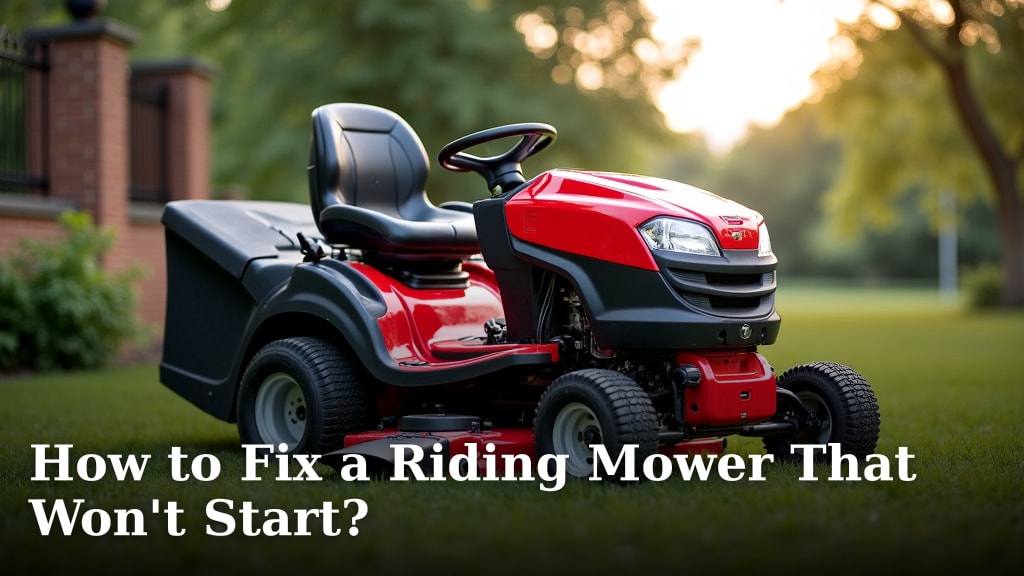
To fix a riding mower that won’t start, begin by checking the battery and fuel supply. Many starting issues stem from a dead battery or old, contaminated fuel. Next, inspect the spark plug and all safety switches.
You probably just want to mow your lawn, not play mechanic, right? We get it. A riding mower that won’t start is a common, frustrating problem for many homeowners. We found that most problems are often simple fixes, requiring just a little troubleshooting and basic tools.
TL;DR:
- Check your battery first.
- Look at the fuel and fuel filter.
- Inspect the spark plug.
- Test all safety switches.
- Ensure the carburetor isn’t clogged.
Ready to get your mower purring again? Let’s walk through the most common reasons your riding mower isn’t starting and exactly how to fix them, step by step.
Troubleshooting Your Riding Mower’s Starting Problems
When your riding mower refuses to start, it’s usually one of a few common culprits. We found that the vast majority of starting issues can be traced back to the battery, fuel, spark, or safety systems. Let’s tackle these one by one, helping you identify and fix the problem.
Is Your Battery Dead or Weak?
The battery is often the first thing to check. A weak or dead battery won’t have enough power to turn over the engine. This is a very common issue, especially if your mower sat unused for a while (Consumer Reports).
Checking the Battery Terminals
First, inspect the battery terminals. Are they clean and tight? Loose or corroded terminals can prevent a good electrical connection. Use a wire brush to clean any white, crusty buildup. Make sure the cables are securely fastened.
Testing Battery Voltage
You’ll need a voltmeter for this step. Connect the voltmeter to the battery terminals. A fully charged 12-volt battery should read around 12.6 volts or higher. If it reads significantly lower, say below 12 volts, your battery likely needs charging or replacement.
Jump-Starting Your Mower
If the battery is just weak, you might be able to jump-start it. Use jumper cables and another 12-volt battery (like from your car). Connect the positive (+) terminals first, then the negative (-) terminals. Try starting your mower. If it starts, let it run for a while to charge its battery. If it dies shortly after, the battery may not be holding a charge, or your charging system has a fault.
Addressing Fuel-Related Issues
Bad fuel is a surprisingly frequent reason for no-starts. Fuel can go stale, especially with ethanol blends, and can gum up your fuel system. The average shelf life for gasoline without a stabilizer is about 3-6 months (Briggs & Stratton). To prevent fuel issues from occurring in the first place, learn how to winterize a lawn mower for proper off-season storage.
Inspecting the Fuel Tank and Line
Check the fuel tank. Is there enough fresh fuel? Old gasoline can smell sour or like varnish. If your fuel looks cloudy or discolored, drain it and refill with fresh, ethanol-free gasoline if possible. Also, check the fuel line for any kinks or blockages preventing fuel flow.
The Fuel Filter
A clogged fuel filter will stop fuel from reaching the engine. The fuel filter is usually a small plastic canister in the fuel line. It’s designed to catch debris. If it looks dirty or dark, it’s time for a replacement. This is a quick and inexpensive fix.
Is the Carburetor Clogged?
The carburetor mixes air and fuel. If it’s clogged, your engine won’t get the proper fuel mixture. Old, stale fuel often leaves gummy deposits in the carburetor. You might try adding a carburetor cleaner to your fuel tank. For severe clogs, the carburetor may need to be disassembled and cleaned, or even replaced. This is a more advanced task, so don’t hesitate to consult a professional if you’re uncomfortable.
Spark Plug: The Ignition Source
Your engine needs a spark to ignite the fuel-air mixture. A faulty spark plug is a common reason for a non-starting engine. It’s often neglected but simple to check.
Checking the Spark Plug
Remove the spark plug wire, then unscrew the spark plug using a spark plug wrench. Look at the tip. Is it black, oily, or corroded? These are signs of a bad plug or an engine issue. A healthy spark plug should be tan or grayish-brown.
Testing for Spark
Connect the spark plug wire back to the plug. Hold the plug against a metal part of the engine (not painted) and have someone try to start the mower. You should see a strong, blue spark. Be careful not to touch the plug or wire during this test to avoid an electrical shock. If there’s no spark, the plug is bad, or you have an issue with the ignition coil or spark plug wire.
Safety First: Check All Safety Switches
Riding mowers have several safety switches to prevent accidents. If any of these are engaged, your mower simply won’t start. These are usually the easiest “fixes.”
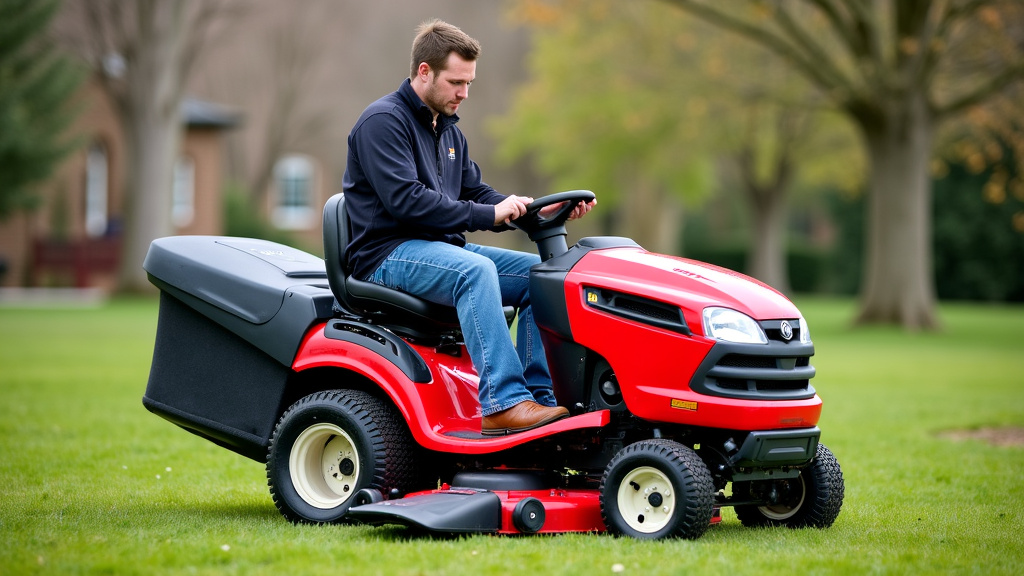
- Seat Switch: Are you firmly seated? The mower won’t start if it doesn’t detect your weight on the seat.
- Brake Pedal Switch: Is the brake pedal fully depressed? Your mower requires the brake to be engaged to start.
- PTO (Power Take-Off) Lever: Is the blade engagement lever disengaged? It must be in the “off” position.
- Gear Shift/Neutral Switch: Is the mower in neutral? Many mowers won’t start unless the transmission is in neutral.
Jiggle these controls and ensure they are all in their correct starting positions. Sometimes, simply shifting into gear and then back into neutral can reset a finicky switch.
Final Checks and Considerations
If you’ve gone through the battery, fuel, spark, and safety checks and your mower still won’t start, here are a few more things to consider.
The Starter Solenoid
When you turn the key, do you hear a click but no engine turn-over? This could be a problem with the starter solenoid. The solenoid is an electrical switch that sends power to the starter motor. You can sometimes test it by using a screwdriver to jump the two large terminals (be very careful!). If the starter motor engages, your solenoid is likely bad.
Compression Issues
For an engine to run, it needs good compression. If you hear the engine cranking but it sounds weak or “airy,” you might have a compression problem. This is a more complex issue, often involving valves or piston rings, and usually requires professional service.
Troubleshooting Checklist
Here’s a quick checklist to guide you through the common starting issues:
- Check battery terminals for corrosion and tightness.
- Verify battery voltage with a multimeter.
- Ensure the fuel tank has fresh, clean gas.
- Inspect and potentially replace the fuel filter.
- Remove and check the spark plug for wear; test for spark.
- Confirm all safety switches (seat, brake, PTO, neutral) are correctly engaged/disengaged.
Most of the time, the fix is straightforward. Don’t feel discouraged if it takes a little detective work to get your mower running again. You’re doing a great job troubleshooting!
Conclusion
Getting your riding mower back in action doesn’t have to be a major headache. We’ve walked through the most common culprits: the battery, fuel, spark, and safety switches. Most of the time, the solution is simpler than you think and within your grasp with basic tools. A bit of systematic checking can save you time and money.
If you’ve tackled these steps and your mower is still refusing to cooperate, don’t despair. It might be time to call in a professional. Remember, consistent maintenance will keep your mower running smoothly for seasons to come.
Frequently Asked Questions
Why does my riding mower just click when I try to start it?
A clicking sound often points to a weak or dead battery that doesn’t have enough power to turn the engine over. It could also indicate loose or corroded battery terminals. Check the battery’s charge and clean the terminals to see if that resolves the issue.
Can old gas really prevent my riding mower from starting?
Absolutely. Old gasoline, especially with ethanol, can degrade and leave gummy deposits that clog the fuel filter and carburetor. This prevents proper fuel flow and ignition. Always use fresh fuel, and consider a fuel stabilizer if your mower sits for extended periods.
How do I know if my spark plug is bad?
A bad spark plug often looks discolored, black, oily, or corroded at the tip. You can also test for a strong, blue spark by holding the plug against the engine block while someone tries to start it. No spark, or a weak, yellow spark, means it’s likely bad.
What are the most overlooked safety switches on a riding mower?
Many homeowners forget about the seat switch, which requires your weight to be properly detected. The PTO (blade engagement) lever and the neutral position for the gear shift are also frequently overlooked. Ensure all these are correctly set for starting.
When should I consider calling a professional for my non-starting mower?
If you’ve systematically checked the battery, fuel, spark, and all safety switches, and your mower still won’t start, it might be time for expert help. More complex issues like a faulty starter solenoid, carburetor rebuilds, or compression problems often require professional diagnosis and repair.
