
How To Lubricate Lawn Mower Cables?
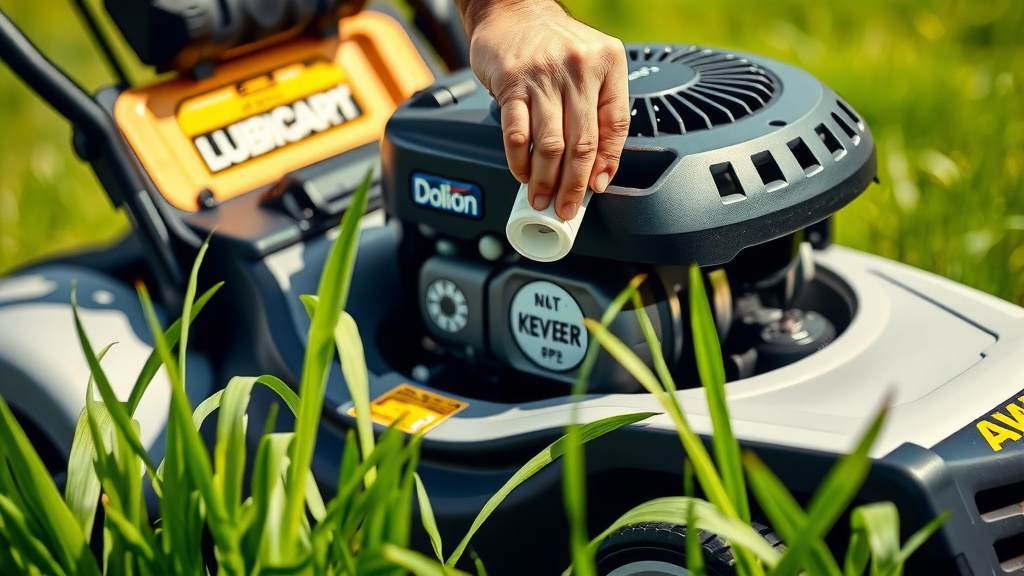
To lubricate lawn mower cables, you need to disconnect the cable from its connection point, attach a cable lubricator tool to the cable housing, and then inject a suitable lubricant, such as a dry graphite spray or silicone-based oil, slowly into the housing until it emerges from the other end. This process helps ensure smooth operation and prolongs the cable’s lifespan.
This simple maintenance task can prevent sticking, fraying, and premature wear, ultimately saving you frustration and potential repair costs, and it only takes a few minutes of your time.
TL;DR:
- Your mower’s cables need lubrication to prevent sticking and wear.
- Use a cable lubricator tool for best results and select the right lubricant.
- Always disconnect the spark plug first for safety.
- Lubricate before each season or whenever you notice stiffness.
- This quick task boosts your mower’s performance and longevity.
How To Lubricate Lawn Mower Cables?
Lubricating your lawn mower cables keeps your machine running smoothly. It prevents frustrating sticking and extends the life of those crucial control wires. Think of it as giving your mower a little spa treatment.
You want to ensure your throttle, clutch, and drive cables move freely. This simple step can prevent breakdowns and keep your yard work easy. Let’s get into the details, shall we?
Why Lubricate Your Mower Cables?
Have you ever tried to push a mower with a sticky throttle? It’s no fun. Lubricating cables prevents friction and corrosion inside the cable housing. This keeps them moving freely.
Many experts say regular lubrication can significantly extend the cable’s lifespan (Briggs & Stratton). You avoid buying replacements too soon. Plus, a smooth-acting mower makes your lawn care more enjoyable.
When Should You Lubricate Your Cables?
Timing is everything, right? We found that lubricating your mower cables at least once a year is ideal. The best time is typically before the mowing season starts.
You should also lubricate if you notice any stiffness or resistance when engaging controls. If your throttle feels sluggish, that’s a clear sign. Some people even lubricate before putting the mower away for winter storage.
What You’ll Need: The Right Tools for the Job
You don’t need a full toolbox for this task. But having the right gear makes it much easier. You’ll want a few specific items to do the job properly.
Gathering these items beforehand will save you time. Nobody likes running back and forth to the garage, right?
| Item | Why You Need It |
|---|---|
| Cable Lubricator Tool | Creates a seal to inject lubricant effectively. |
| Penetrating Lubricant | Helps clean and free up sticky cables. |
| Dry Graphite or Silicone Spray | Ideal long-term lubricant for smooth movement. |
| Clean Rags | Wipe away excess lubricant and grime. |
| Wrench or Pliers | To detach and reattach cables if needed. |
Choosing Your Lubricant Wisely
This is a bit like choosing the right oil for your car. Some lubricants are better than others for cables. We found that dry graphite or silicone-based lubricants are often recommended.
They don’t attract as much dirt and grime as heavier oils. Penetrating oils like a popular multi-purpose spray can help clean, but you might want to follow up with a dry lubricant for lasting protection.
Safety First: A Quick Check
Before you touch anything, always disconnect the spark plug wire. This prevents the engine from accidentally starting. It’s a small step that can avoid a big headache (or worse!).
Also, it’s a good idea to wear work gloves. This keeps your hands clean and offers a bit of protection. Safety is always worth the extra moment.
Step-by-Step Cable Lubrication Guide
Let’s walk through the process together. It’s pretty straightforward once you know the steps. You’ll be a cable-lubricating pro in no time.
Preparation: Getting Ready
First, ensure your mower is on a flat, stable surface. Then, as we mentioned, disconnect the spark plug. Take a moment to locate the cables you want to lubricate.
You’ll typically find throttle cables near the engine’s carburetor. Clutch and drive cables usually run from the handle to their respective mechanisms. Just trace them to their connection points.
Disconnecting the Cable
You’ll need to detach one end of the cable from its connection point. This might be a lever on the handle or a bracket on the engine. Often, a small spring or clip holds it in place.
Carefully use a wrench or pliers if needed. Be gentle; you don’t want to bend or break anything. The goal is to free the end of the inner cable so you can work with it.
Using a Cable Lubricator Tool
This tool is a game-changer. It clamps around the cable housing, creating a seal. This allows you to inject the lubricant directly into the cable without making a huge mess.
Simply open the tool, place the cable inside, and then close it tightly. Some tools have a small screw to help secure it. Make sure it’s snug.
Applying the Lubricant
Now, attach your lubricant spray can nozzle to the small hole in the lubricator tool. Spray the lubricant in short bursts. You want to see the lubricant emerge from the other end of the cable.
Keep a rag handy to catch any excess. It might take a few minutes for the lubricant to work its way through. You can gently work the inner cable back and forth to help distribute it. This ensures full cable saturation.
Reconnecting and Testing
Once you see lubricant coming out the other side, you’re good. Remove the lubricator tool and wipe away any excess. Then, carefully reconnect the cable to its mechanism.
Reattach the spark plug wire. Now, test the controls. Do they move freely? Does the throttle snap back? You should feel a noticeable difference. It’s like magic, almost!
Common Mistakes to Avoid
Don’t just spray lubricant anywhere. Avoid over-lubricating with heavy grease, as it can attract more dirt. Also, make sure you’re using the right kind of lubricant.
We found that skipping the cleaning step can hinder effectiveness. If the cable is already full of gunk, simply adding more lubricant won’t help much. Clean it out first.
Troubleshooting Sticky Cables
What if lubrication doesn’t fix it? If your cable still feels sticky or doesn’t move freely, it might be damaged. Look for signs of fraying or kinking in the inner wire.
Sometimes the cable housing itself can be bent or crimped. In these cases, lubrication isn’t a cure-all. You might need to consider replacing the cable entirely. Many repair shops can help if you’re unsure.
Maintaining All Your Mower Cables
Remember, it’s not just the throttle cable that needs attention. Your clutch cables and drive cables also benefit from this care. They are all vital for your mower’s function.
A little attention to all these components means a more reliable mower. It’s about keeping the whole system in top shape, not just one part. Consistency is key for long-term mower health.
Checklist for Cable Care
- Disconnect the spark plug wire before you start.
- Locate all essential cables (throttle, clutch, drive).
- Detach one end of the cable from its connection.
- Use a cable lubricator tool for efficient application.
- Apply a suitable lubricant until it exits the other end.
- Wipe away any excess lubricant with a clean rag.
- Reconnect the cable securely and test for smooth operation.
- Consider replacement if cables remain stiff or are visibly damaged.
Conclusion
Lubricating your lawn mower cables is a simple yet powerful maintenance step. It ensures your mower’s controls respond smoothly, making your time in the yard much more pleasant. By preventing wear and tear, you’re also protecting your investment and avoiding costly repairs down the line.
So, next time you’re prepping your mower for the season, remember this quick task. Your mower, and your back, will thank you for it. Keeping your cables in top shape is about more than just maintenance; it’s about having a reliable tool for a beautiful lawn. It truly is a small effort for a big reward.
How often should I lubricate my lawn mower cables?
You should aim to lubricate your lawn mower cables at least once a year, typically at the beginning of the mowing season. If you use your mower frequently or notice any stiffness, consider lubricating them more often.
Can I use WD-40 to lubricate lawn mower cables?
While WD-40 can help to clean and free up sticky cables temporarily, many experts suggest following up with a longer-lasting lubricant like a dry graphite or silicone-based spray. WD-40 can attract dirt over time, which might lead to new problems.
What if my cable is already frayed or damaged?
If your cable is visibly frayed, kinked, or severely damaged, lubrication won’t fix the underlying problem. At that point, the safest and most effective solution is to replace the cable entirely. Continuing to use a damaged cable can lead to control issues or complete failure.
Do electric lawn mowers have cables that need lubrication?
Electric lawn mowers, especially battery-powered ones, generally have fewer mechanical cables compared to gas models. However, they may still have throttle or drive cables depending on their specific design. Always check your owner’s manual for maintenance recommendations for your particular model.
Is it really okay to skip this lubrication step?
Skipping cable lubrication might not cause immediate problems, but over time, cables can become stiff, corroded, or even seize up. This can make your mower harder to control, cause excessive wear, and ultimately lead to a more expensive repair or replacement of the entire cable assembly down the road. It’s a small task that offers significant preventive benefits.
