
Is It Safe to Mow the Lawn in the Rain?
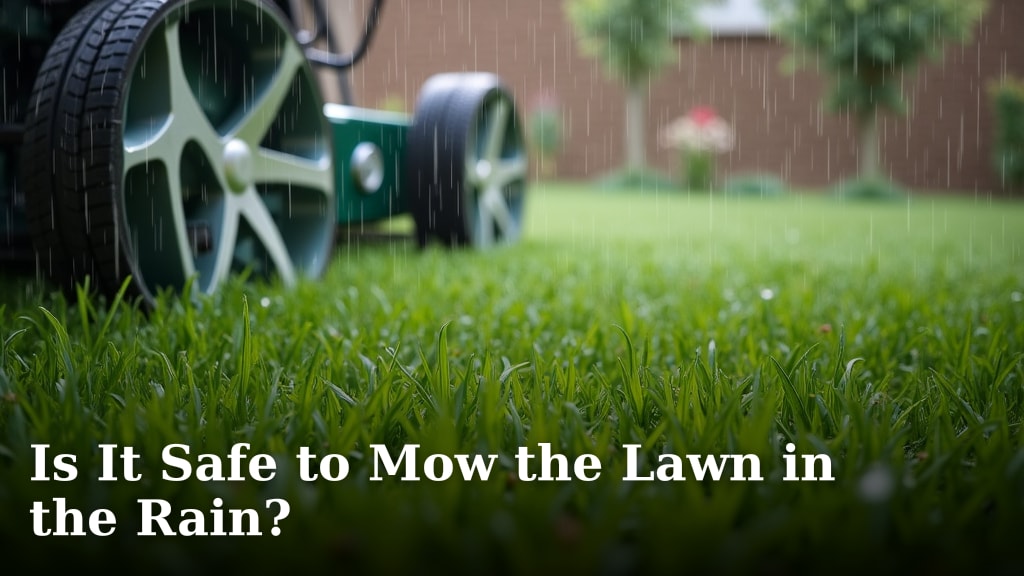
Mowing the lawn in the rain is generally not recommended for safety and practical reasons. While you might be tempted to get it done, the slick conditions can make it dangerous, and wet grass doesn’t cut well. Plus, it can be tough on your mower.
Many homeowners wonder if it’s okay to mow when it’s wet. We’ve found that the risks involved often outweigh the benefits. Wet grass clumps badly, can clog your mower, and the slippery ground increases your chance of a fall. It can also be harder on your lawn’s health.
- Rain makes lawns slippery and dangerous.
- Wet grass clumps and can damage your mower.
- Mowing wet grass isn’t good for your lawn’s health.
- It’s best to wait for dry conditions.
Let’s break down why mowing in the rain isn’t the best idea and what you should do instead.
“`htmlConsidering Lawn Mowing During a Downpour? Think Twice.
You’re standing there, looking at your overgrown lawn. The rain is coming down, but maybe it’s not a torrential downpour. You might be wondering, “Can I just get this done quickly?” It’s a common thought, especially when you’re busy. However, research and expert advice strongly suggest that mowing your lawn in the rain is a bad idea.
We’ve found that the risks involved often outweigh any perceived benefits of getting the job done when it’s wet. Safety, mower health, and lawn health are all compromised. Let’s break down why you should put down those mower handles when the weather turns wet.
Safety First: Why Wet Lawns Are Slippery Traps
Your lawn might look lush and inviting, but when it’s wet, it transforms into a surprisingly treacherous surface. Think about walking on wet grass – you’re more likely to slip. Now, imagine you’re pushing a heavy machine with spinning blades over that same surface.
The Danger of Slips and Falls
The primary concern is your personal safety. Wet grass creates a slick environment. This is especially true on slopes or uneven terrain. If your mower’s wheels lose traction, you could easily slip and fall. This fall could happen in front of the mower, which is a terrifying thought.
We’ve heard from safety experts who warn that even a minor slip can lead to serious injuries. This includes broken bones, sprains, or even more severe trauma. A moment of haste could lead to weeks or months of recovery. It’s simply not worth the risk.
Electrical Hazards with Electric Mowers
If you use an electric mower, whether corded or battery-powered, the danger increases. Water and electricity are a recipe for disaster. Pushing an electric mower through wet grass significantly raises the chance of an electrical shock. This is true even with modern safety features.
The cord on a corded mower could become a tripping hazard, and if it gets damaged while wet, the risk of electrocution is very real. Battery-powered mowers are generally safer in wet conditions than corded ones, but the wet ground itself remains a slip hazard. The U.S. Consumer Product Safety Commission (CPSC) strongly advises against using electrical equipment in wet conditions.
Mower Mayhem: How Rain Harms Your Machine
Your lawn mower is a piece of machinery. Like most machines, it performs best under specific conditions. Mowing wet grass puts undue stress on your mower and can lead to damage.
Clogging and Performance Issues
Wet grass is heavier and sticks together much more than dry grass. When you try to mow it, this wet grass will clump. These clumps can easily clog the mower deck and the discharge chute. This clumping leads to poor cutting performance. You’ll end up with an uneven, patchy lawn instead of a neatly trimmed one.
A clogged mower has to work harder. This extra strain can overheat the motor. It can also cause premature wear and tear on various mower components. We found that many mower manufacturers specifically state that their machines are not designed for wet grass.
Rust and Corrosion Concerns
Mowers are often made with metal parts. When these parts are exposed to moisture for extended periods, they can rust. If you mow in the rain, water will get into nooks and crannies. This moisture can sit there, especially if you store the mower without drying it thoroughly.
Rust not only looks bad, but it can also weaken metal components. It can seize up moving parts, making your mower difficult to operate or even breaking it. Regular maintenance is key, but avoiding unnecessary moisture exposure is even better for your mower’s longevity.
Damage to the Undercarriage
The underside of your mower deck is particularly susceptible to damage from wet grass and debris. When wet grass clumps and builds up, it creates a heavy, sticky mass. This can put stress on the deck itself. It can also impede the rotation of the blades.
Beyond the grass, the wet soil can be churned up. This can lead to mud and debris being thrown against the mower’s undercarriage. Over time, this can contribute to corrosion and wear. Many lawn care professionals recommend cleaning the underside of your mower after each use, but mowing in the rain makes this cleaning far more intensive and less effective.
Lawn Health: The Impact of Wet Mowing
It’s not just about your safety or your mower’s health. Mowing a wet lawn can actually be detrimental to the health and appearance of your grass and soil.
Uneven Cutting and Ripping
As we mentioned, wet grass clumps. This means your mower won’t cut evenly. Instead of a clean slice, the wet blades of grass tend to bend and then get ripped out rather than cleanly cut. This ragged tearing can stress the grass. It can also leave your lawn looking ragged and unhealthy.
For a healthy lawn, you want clean cuts. These cuts heal quickly. Ripped grass blades take longer to heal. They are also more susceptible to disease. We found that following best practices for lawn care consistently highlights the importance of proper cutting techniques, which are impossible in the rain.
Spreading Diseases and Pests
If your lawn has any fungal diseases or pest issues, mowing in the rain can spread them. The wet grass clippings can carry disease spores or tiny pests. When the mower moves through affected areas, it picks up these pathogens. Then, it deposits them in new, healthy areas of your lawn.
This can quickly turn a minor problem into a widespread infestation. Many horticultural experts advise against spreading potentially diseased clippings across your lawn. Letting the grass dry allows for more targeted treatment and less risk of accidental propagation.
Soil Compaction and Rutting
Wet soil is much softer and more prone to compaction than dry soil. When you push a heavy mower across saturated ground, the weight of the machine can compress the soil. Soil compaction makes it harder for water, air, and nutrients to penetrate the ground.
This is bad for grass roots. It can also lead to increased runoff and erosion. In severe cases, you can create ruts in your lawn. These ruts can collect water, creating breeding grounds for mosquitoes and making the lawn even harder to mow in the future. The American Society of Agronomy has published research indicating that soil compaction negatively impacts turfgrass health significantly.
Alternatives to Mowing in the Rain
So, what do you do when the rain keeps you from mowing? Don’t despair! There are smart strategies you can employ.
The Simple Solution: Wait It Out
The most straightforward and effective solution is to simply wait for the rain to stop and the lawn to dry. Check the weather forecast. Often, a rainy spell is followed by clear skies. A day or two of drying is usually all it takes.
You might be tempted to mow an inch or two of growth, but the grass will still be there tomorrow or the day after. Patience is a gardener’s best friend. Allowing your lawn to dry prevents all the issues we’ve discussed.
Prioritize Other Yard Tasks
If you have other yard work that can be done while it’s raining, focus on those! Tasks like weeding, pruning (if the rain isn’t too heavy), or cleaning garden tools can be done. You could also use this time for indoor tasks like planning your garden layout or organizing your shed.
It’s all about adapting. Rainy days don’t have to be unproductive days for your yard. They can be a chance to catch up on other important chores that don’t require dry conditions.
Adjust Your Mowing Schedule
If you consistently find yourself facing a wet lawn, it might be time to adjust your mowing schedule. Consider mowing more frequently during dry periods. This means you’ll be taking off less grass each time, which is healthier for the lawn anyway.
You could also consider planting grass varieties that are more drought-tolerant or that require less frequent mowing. Consulting with a local garden center or extension office can provide tailored advice for your region and soil type.
Quick Checklist: When in Doubt, Don’t Mow!
To help you remember, here’s a quick checklist. If you find yourself in any of these situations, it’s best to put the mower away:
- If you can see water pooling on the lawn.
- If the grass feels slick or squishy underfoot.
- If your shoes are getting muddy just walking on it.
- If the mower deck is already visibly wet from previous use.
- If there’s standing water on the mower itself.
- If the weather forecast predicts more rain soon.
The Verdict on Wet Grass Mowing
While the temptation to push through a rainy day mowing session is understandable, the consensus from safety guidelines, mower manufacturers, and lawn care experts is clear: don’t do it.
The increased risk of slips, electrical hazards, mower damage, disease spread, and soil compaction far outweighs any perceived benefit of mowing in the rain. Your safety, your mower’s health, and your lawn’s overall well-being will thank you for waiting for dry conditions. A healthy lawn is a beautiful lawn, and that beauty is best achieved with careful, proper maintenance.
“`Conclusion
You’ve learned why mowing in the rain isn’t your lawn’s best friend or your safest option. We’ve covered the dangers of slippery conditions and electrical hazards, the strain on your mower, and the harm to your lawn’s health. The risks simply outweigh any convenience. Your lawn will look better and last longer if you let it dry thoroughly. So, next time a shower hits, consider it a sign to tackle other tasks or simply relax. Patience truly pays off for a healthier, safer yard.
Frequently Asked Questions
What if it’s just a light drizzle? Is it still unsafe?
Even a light drizzle can make your lawn slick and increase the risk of slips. Wet grass also clumps more easily, which can clog your mower. We recommend waiting until the ground is dry to ensure both your safety and your mower’s optimal performance.
Will mowing in the rain really hurt my electric mower?
Yes, electric mowers are particularly susceptible to hazards in wet conditions. Water can increase the risk of electrical shock, even with safety features. The dampness can also lead to rust and corrosion on internal components over time, potentially shortening its lifespan.
How long should I wait after rain before mowing?
Generally, it’s best to wait until the grass blades are visibly dry and the ground isn’t squishy underfoot. This might be a few hours after the rain stops, or it could take a full day or two depending on how much rain fell and your lawn’s drainage. Checking the forecast for more rain is also a good idea.
Can I mow if the rain stops but the grass is still wet?
Even if the rain has stopped, if your grass blades are still wet, it’s best to wait. Wet grass tends to clump and can be ripped rather than cut cleanly, stressing the grass. This can also lead to an uneven appearance and make your mower work harder.
What’s the best way to clean my mower after it accidentally got wet?
After any mowing, but especially if it was damp, you should clean your mower. Use a brush or hose to remove grass clippings from the deck and chute. Make sure to dry all metal parts thoroughly to prevent rust. Allowing the mower to air dry completely in a sheltered spot is also recommended before storing it.
