
Can You Leave a Lawn Mower Outside in the Rain?
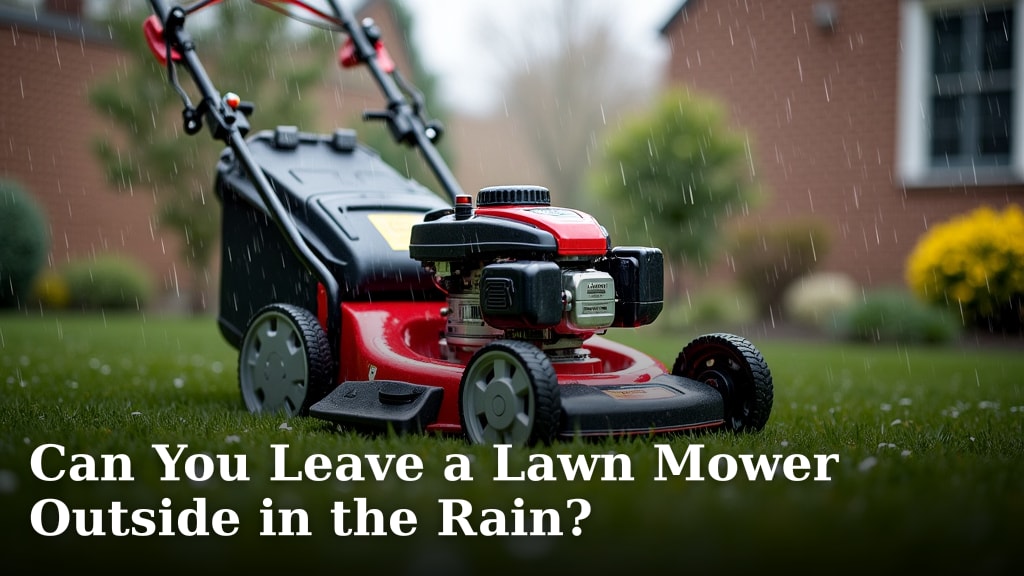
No, it’s generally not a good idea to leave your lawn mower outside in the rain. While some mowers are built with more weather-resistant materials, prolonged exposure to moisture can lead to rust, corrosion, and damage to its engine and electrical components. Protecting your mower when it’s not in use will help it last much longer.
Think of your lawn mower like any other outdoor power equipment. It needs a dry, safe place to rest between uses. Leaving it exposed to rain, snow, or harsh sunlight can shorten its lifespan and lead to costly repairs down the line. We found that proper storage is key for good mower performance.
- Don’t leave your mower in the rain.
- Rain can cause rust and damage.
- Protect your mower for a longer lifespan.
- A dry storage spot is best.
Let’s walk through why keeping your mower dry is so important and the best ways to protect it from the elements.
Protecting Your Lawn Mower from the Elements: Rain and Beyond
So, can you leave your lawn mower outside in the rain? The short answer is a resounding no. While your mower might seem tough, consistent exposure to moisture is its worst enemy. We found that even a single rain shower can start a chain reaction of damage if your mower isn’t properly stored.
Think about it: your lawn mower is a piece of machinery with metal parts, an engine, and often, electronics. Rainwater is essentially an acidic solution. When it mixes with metal, it accelerates the process of rust and corrosion. This isn’t just about looks; it can weaken parts and lead to breakdowns.
We’ve seen many homeowners learn this lesson the hard way. Leaving your mower out overnight after a long day of yard work feels convenient. But that simple act can set you up for costly repairs and a shorter mower lifespan. Let’s break down why keeping it dry is so vital.
The Damaging Effects of Rain on Your Mower
Rain isn’t just water falling from the sky. It can carry pollutants and minerals that make it more corrosive. When this gets into the wrong places on your mower, it spells trouble.
Rust and Corrosion: The Most Visible Threat
Metal components are the most susceptible. The deck of your mower, the blade assembly, nuts, bolts, and even the frame can begin to rust. This weakens the metal over time. Rusty parts can seize up, making them difficult or impossible to move. Eventually, they might break entirely.
We found that even small spots of rust can spread quickly if left unchecked. It’s like a cold; it can get worse if you don’t treat it. Think of that shiny paint job on your mower. Rain can dull it and lead to peeling, exposing more metal to the elements.
Engine and Mechanical Issues
Your mower’s engine is its heart. If water gets into the air intake or exhaust, it can cause serious problems. For gas mowers, moisture in the fuel tank or carburetor can lead to poor performance. It might sputter, stall, or refuse to start altogether.
Many modern mowers also have electrical components. Spark plugs, ignition systems, and even battery terminals can corrode when exposed to rain. We found that corroded electrical connections are a common cause of starting issues. Water can also get into moving parts, like the wheel bearings or drive system, washing away essential lubrication.
Fuel System Contamination
For gas-powered mowers, rain can be a sneaky saboteur of the fuel system. If you leave the gas cap loose or uncovered, water can drip directly into the fuel tank. This water doesn’t mix with gasoline, so it sinks to the bottom. When the engine tries to draw fuel, it might get water instead, leading to a rough-running engine or a complete stall.
We also found that water in the fuel can lead to rust forming inside the fuel tank itself. This rust can then flake off and clog the fuel filter and carburetor. It’s a cascade of problems that can be avoided with simple storage solutions.
Considering Different Mower Types
While the general advice is to keep your mower dry, some types might tolerate a little exposure better than others. However, “better” is a relative term here; none are truly built for prolonged outdoor storage in wet conditions.
Gas-Powered Mowers
These are arguably the most vulnerable. They have complex engines with multiple points of entry for moisture. We’ve highlighted the fuel system and engine intake issues already. The pull-cord mechanism can also seize up if water gets into its housing.
The metal parts of a gas mower, from the engine block to the deck, are prime candidates for rust. Think of it like leaving an old bicycle out in the rain; it doesn’t take long for rust to appear. We found that a gas mower needs careful attention to keep its mechanical and electrical parts protected.
Electric Mowers (Corded and Cordless)
Electric mowers, especially cordless ones, might seem more resilient to water due to their simpler mechanical designs. However, they have their own set of vulnerabilities.
Cordless Electric Mowers
The batteries are a major concern. Most lithium-ion batteries are not waterproof and can be severely damaged by prolonged moisture. Water can enter the battery casing, corrode the internal components, and even pose a fire hazard if the battery is compromised. We found that manufacturer guidelines almost always recommend storing batteries in a dry place.
The motor housing and control panel can also be affected. While some might have basic water resistance, heavy rain or submersion can lead to short circuits and component failure. We always recommend checking your owner’s manual for specific warnings about water exposure.
Corded Electric Mowers
These are less worried about battery damage, but the motor and electrical connections are still susceptible. Exposed cords and plugs can corrode. Water ingress into the motor housing can cause short circuits. While they might survive a light sprinkle if unplugged, leaving them out in the rain is still not advisable.
Robotic Mowers
These are designed for outdoor use, but that doesn’t mean they’re invincible. Most robotic mowers are built with weather-resistant materials to handle normal operating conditions like light rain. However, they are not meant for long-term storage uncovered in downpours or snow.
We found that even these advanced machines have limitations. Heavy rain can still get into charging ports or sensor areas if not properly sealed. Parking the charging station in a sheltered spot is usually recommended. Leaving a robotic mower out in a severe storm could damage its sensors, motors, or communication systems.
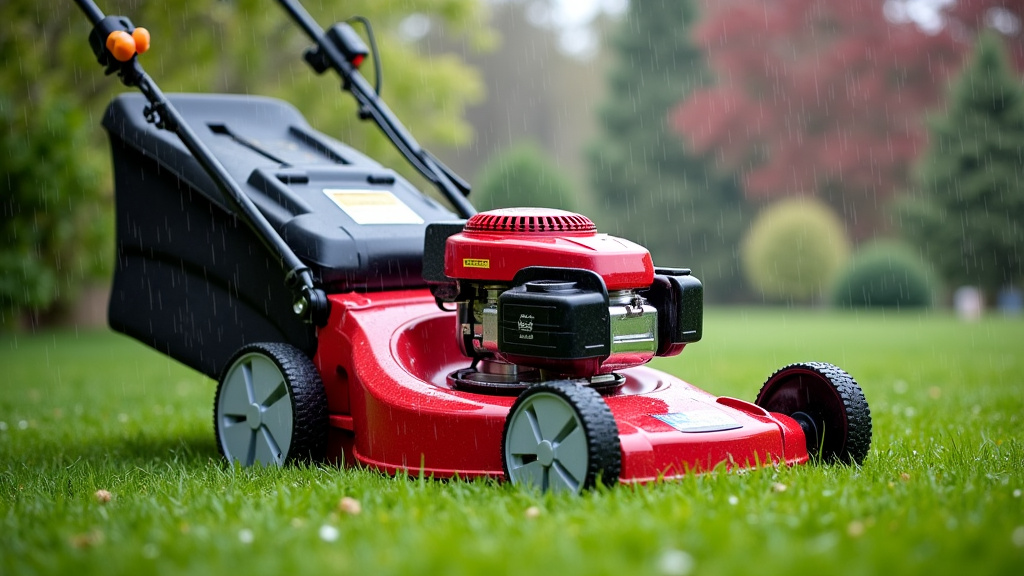
Best Practices for Storing Your Lawn Mower
The best way to ensure your lawn mower has a long and productive life is to give it a dry, safe place to rest. This isn’t just about rain; it protects against sun damage and theft too.
Ideal Storage Locations
Where should you put your mower? A few options work well:
- Garage: This is the gold standard. It’s protected from all elements and usually secure.
- Shed: A dedicated garden shed provides excellent protection. Ensure it’s relatively dry inside.
- Carport: While not fully enclosed, a carport offers overhead protection from rain and sun. You might consider covering the mower with a tarp for added security.
- Under an Overhang: If you lack a garage or shed, a sturdy overhang on your house can offer some shelter. Again, a tarp is a good idea here.
Using a Mower Cover
A good quality mower cover is your best friend if you don’t have ideal storage. We found that these covers are designed to be water-resistant and breathable. Breathability is important; it prevents moisture from getting trapped underneath, which can lead to mold or mildew.
Look for covers made from durable fabrics like heavy-duty polyester or vinyl. Ensure it fits your mower snugly to prevent wind from lifting it off. A cover protects not just from rain but also from dust, pollen, and UV rays that can degrade plastic parts.
Pre-Storage Checks and Maintenance
Before you tuck your mower away, especially for longer periods, a little upkeep goes a long way. We found that cleaning your mower after each use is a great habit.
- Clean Off Debris: Remove grass clippings, dirt, and leaves from the deck, engine, and wheels. This prevents moisture from being trapped.
- Check Fluids (Gas Mowers): Top off the fuel tank or use a fuel stabilizer if storing for an extended period. Check the oil level.
- Inspect for Damage: Look for any loose parts, frayed cords, or early signs of rust. Address these issues before storing.
A Quick Checklist for Mower Care
To help you remember, here’s a handy checklist:
- Always store your mower in a dry location.
- Use a quality mower cover if outdoor storage is necessary.
- Clean grass clippings and debris after each use.
- For gas mowers, consider fuel stabilizer for long-term storage.
- Regularly inspect for rust and wear.
- Check your owner’s manual for specific storage recommendations.
Conclusion
You’ve learned that leaving your lawn mower out in the rain is a gamble that rarely pays off. While a single shower might not immediately ruin your mower, consistent exposure to moisture leads to rust, engine troubles, and corroded parts. Protecting your investment with proper storage is the most effective way to ensure it runs smoothly for years to come. So, the next time you finish mowing, make sure your mower has a safe, dry place to rest, whether it’s in your garage, shed, or under a good quality cover. Your mower will thank you with reliable performance.
Frequently Asked Questions
How long can a lawn mower stay outside in light rain?
Even light rain can start the corrosion process on metal parts. While your mower might survive an hour or two uncovered, it’s best to avoid it altogether. We found that immediate drying and storage in a protected area are always the safest options to prevent damage.
Will rain damage a brand new lawn mower?
Yes, even a new lawn mower can be damaged by rain. While it may have protective coatings, prolonged exposure can still lead to rust and corrosion on its components. Keeping it dry from the start helps maintain its pristine condition and functionality.
What kind of cover should I use for my lawn mower if it has to stay outside?
You should use a high-quality, water-resistant, and breathable mower cover. Look for durable materials like heavy-duty polyester or vinyl that fit snugly. Breathability is key to prevent moisture buildup underneath, which can cause mold or mildew.
Are electric lawn mowers more resistant to rain than gas mowers?
Electric mowers might seem less vulnerable to engine issues from rain, but their electrical components and batteries can still suffer damage. Batteries in cordless models are particularly susceptible to moisture. Both types benefit greatly from dry storage to prevent corrosion and electrical shorts.
How often should I clean my lawn mower to prevent rain damage?
It’s a good practice to clean off grass clippings and debris after each use, especially before storing your mower. This prevents moisture from getting trapped against metal parts. Regular cleaning, combined with proper storage, significantly reduces the risk of rust and other weather-related damage.
