
How to Store a Zero-turn Mower for Winter?
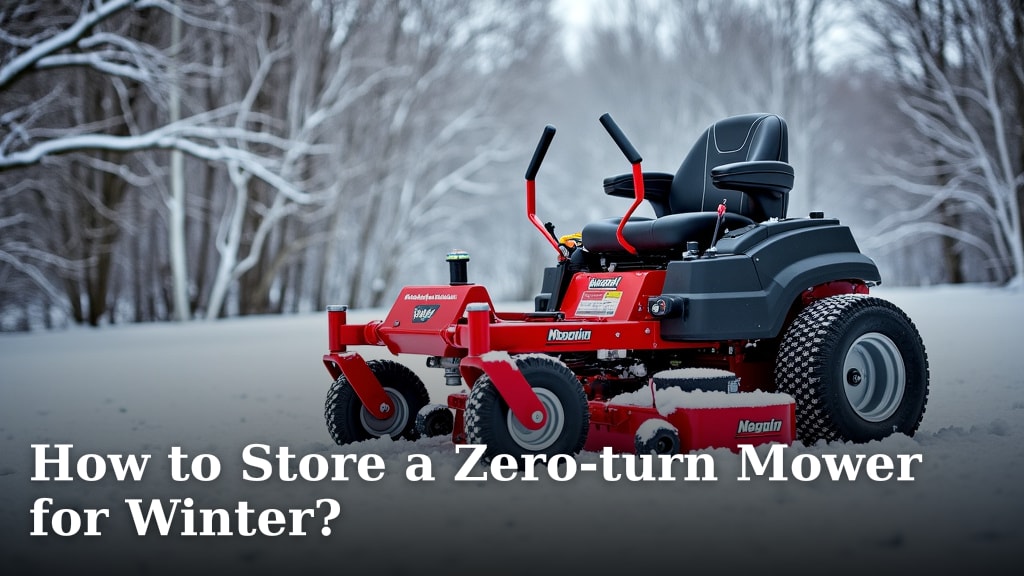
Storing your zero-turn mower for winter the right way prevents damage and ensures it’s ready to go next spring. The core steps involve thorough cleaning, fuel stabilization, battery care, and proper storage location to protect your investment.
Taking these preventative measures can save you headaches and repair costs down the line. Many owners overlook simple tasks that, in reality, make a big difference for equipment longevity. We’ve found that a little effort now means a lot less worry later.
- Clean your mower thoroughly.
- Stabilize the fuel system.
- Care for the battery properly.
- Choose a safe storage spot.
- Consider blade and deck protection.
Let’s walk through the best practices to get your zero-turn mower ready for its long winter nap.
Getting Your Zero-Turn Mower Ready for Winter Storage
Storing your zero-turn mower properly is key to its longevity. You wouldn’t leave your car out in the elements all winter, right? Your mower deserves the same care. Taking these steps now saves you from costly repairs and frustration next spring.
We’ve found that a little preparation goes a long way. It ensures your mower starts up as if it just rolled off the showroom floor. Let’s make sure your machine is tucked away safe and sound until warmer weather returns.
Give Your Mower a Deep Clean
The first and arguably most important step is a thorough cleaning. Mowers accumulate a lot of debris over a season. Grass clippings, dirt, and oil can cause rust and corrosion if left unchecked.
Exterior Wash and Dry
Start by giving the entire mower a good wash. Use a hose and some mild detergent. Pay close attention to the deck underside, wheels, and engine area. You want to remove all caked-on dirt and grass. Start by giving the entire mower a good wash to remove debris.
After washing, dry the mower completely. Use clean rags or towels. Moisture left behind can lead to rust, especially on metal parts. Make sure you dry all nooks and crannies.
Cleaning the Mower Deck
The mower deck is a magnet for grass. Scrape away any built-up clippings. A putty knife or a dedicated deck scraper works well for this. Be careful not to scratch the paint.
Many owners also use compressed air to blow out debris from tight spots. For a really deep clean, you might consider removing the deck. This allows for a more thorough cleaning of all components.
Engine and Transmission Care
Wipe down the engine block and transmission. Remove any dust or grime. You can use a soft brush for harder-to-reach areas. Avoid using high-pressure water directly on engine components, as this can force water into sensitive areas.
Fuel System Preparation: The Key to a Smooth Start
Dealing with fuel is critical for winter storage. Gasoline can degrade over time, leading to gumming and clogging of fuel lines and the carburetor. This is a common cause of starting problems in the spring.
Add Fuel Stabilizer
You need to treat the fuel system. The easiest way is to add a quality fuel stabilizer to your gas tank. Follow the product’s instructions for the correct ratio.
After adding the stabilizer, run the engine for about 10-15 minutes. This ensures the stabilized fuel circulates throughout the entire fuel system. It coats all the internal components, protecting them from moisture and degradation.
Emptying the Fuel Tank (Optional but Recommended)
Some experts recommend completely emptying the fuel tank. This completely removes the risk of stale fuel. If you choose this route, run the engine until it stops from lack of fuel.
This ensures the carburetor is dry. Be sure to run it long enough for all the fuel to be consumed. If you have a portable fuel container, you can empty that and store it safely.
Battery Maintenance for Winter Survival
Your mower’s battery needs special attention during the off-season. Cold temperatures can significantly reduce battery performance, and a weak battery might not hold a charge well.
Charge the Battery Fully
Before storing your mower, fully charge the battery. A fully charged battery is less susceptible to freezing and damage. Use a charger specifically designed for lawn mower batteries.
Consider Battery Removal
For the best protection, consider removing the battery from the mower. This prevents accidental discharge and makes it easier to maintain. Store the battery in a clean, dry place, away from extreme temperatures.
We found that placing the battery on a piece of wood or a shelf, rather than directly on a concrete floor, can help maintain its charge. Concrete can sometimes cause batteries to discharge more quickly.
Using a Battery Tender
A battery tender (also called a trickle charger) is highly recommended. It maintains the battery’s charge without overcharging it. Plug it in periodically, or leave it connected throughout the winter if possible.
Many tenders have an indicator light showing the charge status. This is a simple yet effective way to ensure your battery is ready to go when you need it.
Choosing the Right Storage Location
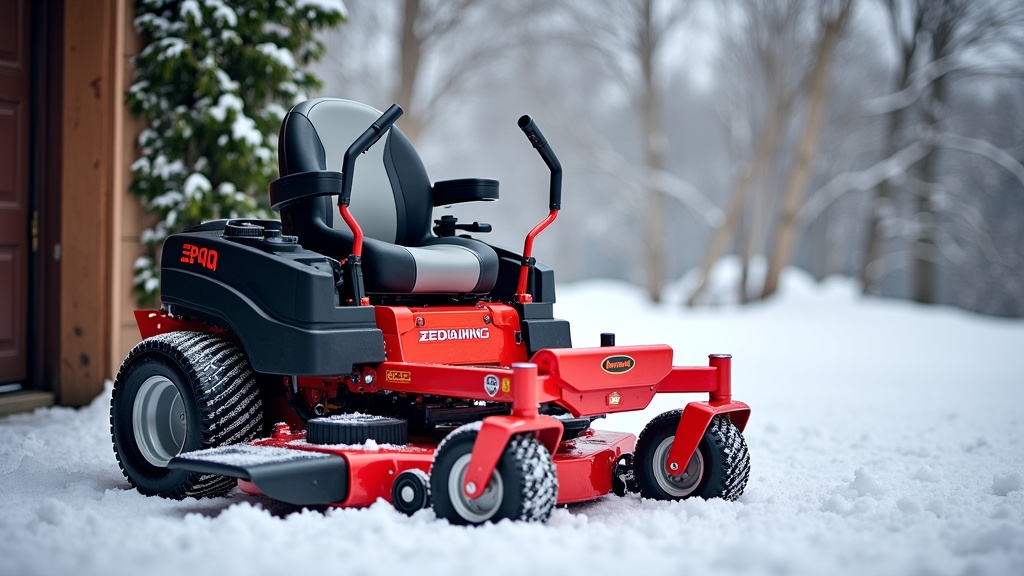
Where you store your mower can make a big difference. Protecting it from the elements is crucial for preventing rust and damage.
Ideal Indoor Storage
The best place is an indoor, climate-controlled space. This could be a garage, a shed, or a basement. These locations protect your mower from rain, snow, wind, and extreme temperature fluctuations.
Outdoor Storage Precautions
If indoor storage isn’t an option, you’ll need to take extra precautions. Always use a high-quality, breathable mower cover. Avoid using tarps that can trap moisture.
Elevate the mower if possible. Placing it on wooden blocks can help keep it off cold, damp ground. This prevents rust and corrosion from accumulating on the tires and frame.
Security Considerations
Wherever you store it, ensure the location is secure. You don’t want to be a target for theft. Lock it up if necessary.
Protecting Other Mower Components
Beyond the basic cleaning and fuel, other parts need attention.
Lubrication Points
Inspect your mower’s lubrication points. Apply grease or oil to any points specified in your owner’s manual. This keeps moving parts free and prevents seizing.
Tire Pressure Check
Overinflating tires for storage can lead to flat spots. Some recommend slightly deflating tires for long-term storage. Check your owner’s manual for specific recommendations.
We found that a small reduction in pressure, just a few PSI, can prevent flat spots without causing undue stress on the sidewalls. Ensure they are properly inflated again before your first use in spring.
Blade Care
Remove the mower blades and sharpen them. A dull blade tears grass, which isn’t good for your lawn. Clean the blades thoroughly.
Apply a light coating of oil or rust inhibitor to the blades to prevent corrosion during storage. Store them in a safe place where they won’t cause injury.
Your Winter Storage Checklist
Here’s a quick rundown to ensure you haven’t missed anything:
- Thoroughly clean the mower inside and out.
- Add fuel stabilizer and run the engine.
- Fully charge or remove and tender the battery.
- Select a safe, dry storage location.
- Lubricate moving parts and check tire pressure.
- Inspect and prepare mower blades.
Taking these steps ensures your zero-turn mower is protected and ready for action when spring arrives.
Conclusion
You’ve got this! Properly storing your zero-turn mower for winter is straightforward when you follow these steps. By giving it a thorough cleaning, stabilizing the fuel, tending to the battery, and choosing a safe spot, you’re protecting your investment. You’ve done the work to ensure your mower is ready for action the moment spring arrives. Now, go enjoy that well-deserved rest, knowing your mower is tucked away safely.
Frequently Asked Questions
How do I prevent rust on my zero-turn mower during winter storage?
Rust is a mower’s enemy. After washing, always dry your mower completely to remove any moisture. Pay extra attention to the underside of the deck and any metal components. Applying a light coat of oil or a rust inhibitor to metal parts can also prevent corrosion.
Can I just leave fuel in the tank over winter?
It’s strongly recommended not to leave untreated fuel in your mower’s tank. Gasoline can degrade, leaving behind sticky residues that clog the fuel system. Adding a fuel stabilizer and running the engine to circulate it is the best practice we’ve found.
What’s the best way to store the battery for winter?
A charged battery handles winter better. Fully charge it before storage. For optimal care, remove the battery and use a battery tender to maintain its charge. Store it in a dry, temperate location, perhaps on a piece of wood.
Is it okay to store my zero-turn mower outside?
While indoor storage is ideal, outdoor storage is possible with precautions. Always use a high-quality, breathable mower cover to protect it from the elements. Avoid tarps, as they can trap moisture and lead to rust. Elevating the mower on blocks can also help.
Should I remove the blades for winter storage?
Yes, removing and caring for your mower blades is a smart move. Sharpen them if they’re dull, clean them thoroughly, and apply a light coat of oil or rust inhibitor. This keeps them in good condition and prevents corrosion. Store them safely to avoid injury.
